10 Romance Anime Where Enemies Fall in Love (No Fake Rivalries)
The “enemies to lovers” trope is arguably the most fiercely beloved dynamic in the entire romance genre. However, the anime industry frequently waters it down. Too often, a show promises a bitter rivalry, but delivers nothing more than two tsundere teenagers lightly bickering over a stolen eraser before holding hands by Episode 3. That is not a rivalry; that is just a standard playground crush. A true enemies-to-lovers narrative requires actual, undeniable hostility.
There is a specific, intoxicating thrill that comes from watching two characters who legitimately despise one another slowly break down their barriers. We are talking about couples who have crossed blades on the battlefield, orchestrated psychological warfare against each other, or belong to heavily armed, warring factions. When the foundation of a relationship is built on lethal intent, the eventual transition into passionate, protective romance feels exponentially more rewarding. The tension is not manufactured—it is a matter of life and death.
If you are completely sick of fake rivalries and crave narratives where the romantic tension is as dangerous as a loaded gun, you have arrived at the definitive list. From bloody holy wars to unhinged yakuza syndicates, here are the Top 10 anime where the couple actually tries to destroy each other before falling in love.
Table of Contents
Nisekoi: False Love
Kicking off our list is a series that perfectly executes the “fake dating” trope by placing it against the backdrop of a literal turf war. In Nisekoi, Raku Ichijo is the heir to a formidable Yakuza faction, while Chitoge Kirisaki is the daughter of the boss of a rival, heavily armed American mafia group. When their respective gangs are on the absolute brink of triggering a massive, bloody war in the streets, the two leaders force their children into a fake relationship to establish a fragile truce.
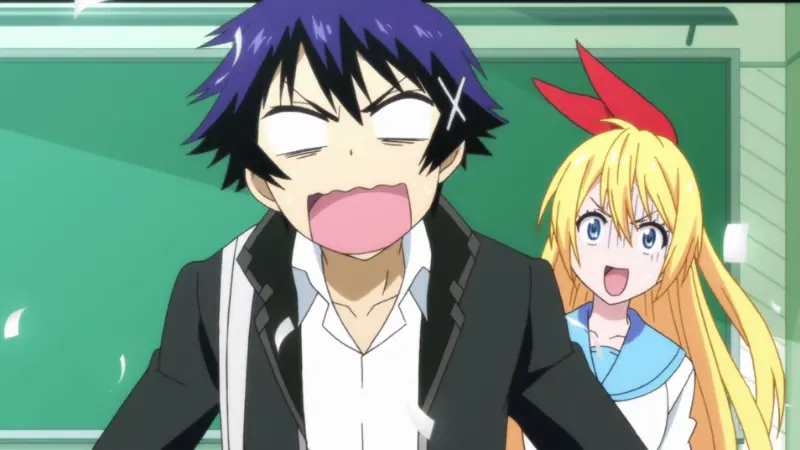
The core of the comedy and the romantic tension stems from the fact that Raku and Chitoge absolutely, vehemently despise each other. Their very first interaction involves Chitoge violently kneeing Raku in the face. They possess zero overlapping interests, constantly berate each other’s personalities, and must actively grit their teeth to pretend they are wildly in love whenever their heavily armed subordinates are watching them on dates.
However, the beauty of the series lies in how this forced proximity slowly dismantles their mutual hatred. Because they have to constantly orchestrate elaborate lies to maintain the peace, they inevitably learn about each other’s deepest insecurities. Chitoge’s evolution from a hostile, violent “gorilla” into a girl genuinely grappling with the terrifying vulnerability of her first real crush makes this one of the most iconic, highly entertaining rivalries in modern anime.
Masamune-kun's Revenge
Unlike standard rivalries born of simple misunderstandings, the central conflict in Masamune-kun’s Revenge is built on a foundation of deeply ingrained, premeditated psychological warfare. As a child, Masamune Makabe was overweight, constantly bullied, and ultimately suffered a horrific, deeply humiliating rejection from the wealthy, beautiful Aki Adagaki, who branded him “Pig’s Foot.” In response, Masamune spends years undergoing brutal physical training to completely reinvent himself into a flawless, attractive high school student.
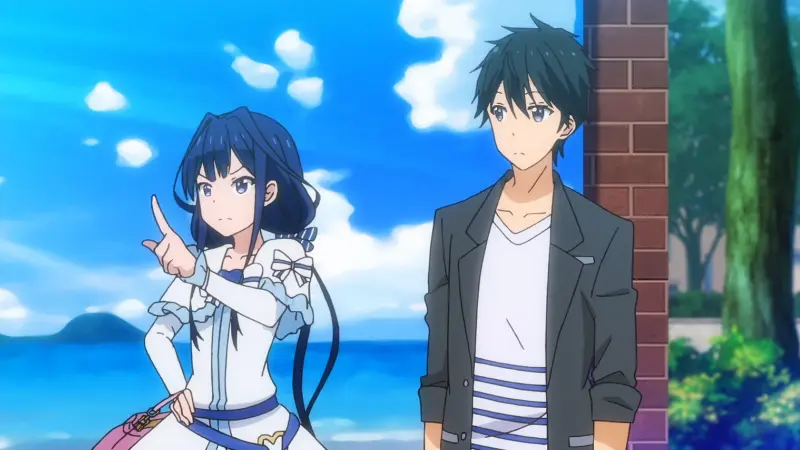
His grand master plan is not to find closure; it is to systematically seduce Aki, make her fall completely, hopelessly in love with him, and then brutally reject her in the most publicly humiliating way possible. He approaches their relationship as a tactical battlefield, calculating exactly what to say to break down her notoriously cold, man-hating defenses. Aki, completely unaware of his true identity, treats him with the same hostile cruelty she uses on everyone else.
The narrative tension is fantastic because it forces the audience to watch Masamune’s toxic vengeance actively collide with genuine affection. As he spends more time trying to manipulate her, he accidentally uncovers the hidden vulnerabilities and misunderstandings behind their childhood encounter. The anime brilliantly asks whether a relationship entirely founded on deceit, revenge, and deep-seated grudges can actually be salvaged into something beautiful.
Boarding School Juliet
Boarding School Juliet takes the classic Shakespearean tragedy and injects it with explosive, Shonen-level combat. Dahlia Academy is rigidly divided into two fiercely patriotic, warring factions representing rival nations: the Black Doggies of the Eastern Nation and the White Cats of the West. Romio Inuzuka and Juliet Persia are the respective leaders of these factions, expected to routinely beat each other bloody in front of their deeply radicalized subordinates.
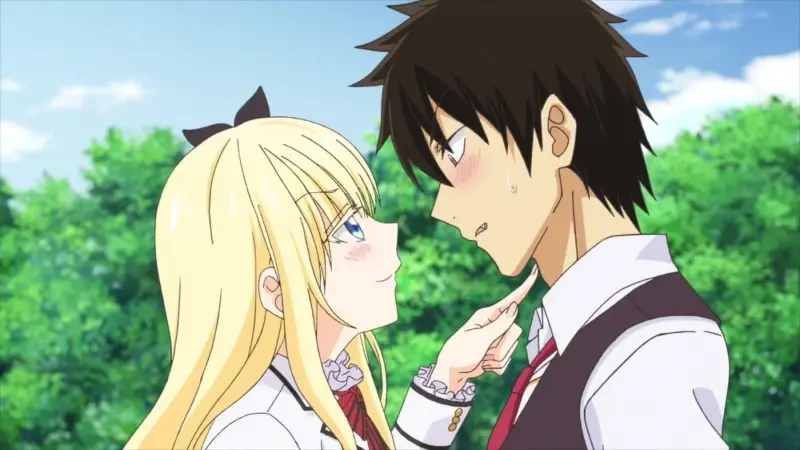
The twist is that Romio is secretly, desperately in love with Juliet. When he finally risks treason to confess to her, they begin a highly illegal, covert relationship. However, because their factions literally despise one another, they cannot show any public affection. In fact, to maintain their cover, they must actively engage in brutal, theatrical sword fights and physical brawls every single day just to convince their friends that the holy war is still ongoing.
The action-comedy dynamic here is flawless. Romio and Juliet are both incredibly capable fighters, and their romance thrives in the brief, stolen moments of vulnerability hidden behind a clash of swords. Watching them desperately try to organize a normal, peaceful date while navigating the paranoid, hyper-violent political landscape of their academy makes this one of the most uniquely entertaining “secret dating” anime ever animated.
Love After World Domination
Operating as a brilliant, incredibly wholesome parody of classic Power Rangers (Super Sentai) tropes, Love After World Domination takes the concept of sworn enemies to its most literal, theatrical extreme. Fudo Aikawa is the Red Gelato, the righteous, fearless leader of the heroic Gelato 5. Desumi Magahara is the Reaper Princess, the ruthless, terrifying combat leader of the evil secret society Gekko, whose sole objective is global domination.
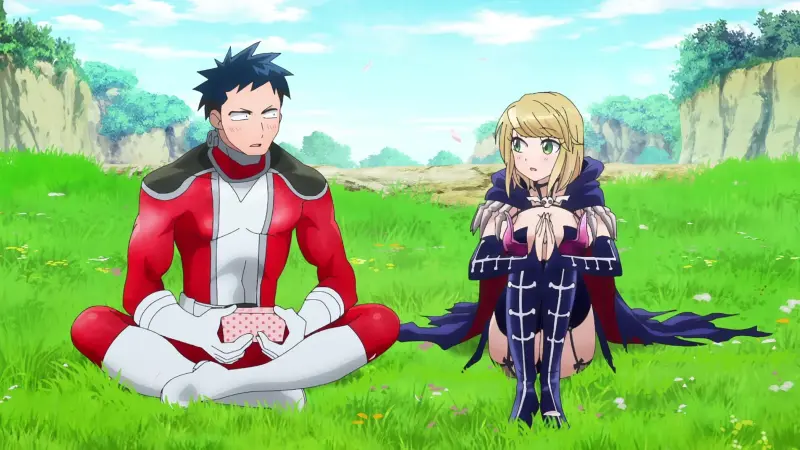
On the battlefield, they are sworn nemeses, locked in a bitter war for the fate of the planet. Behind the scenes, they are two heavily blushing, incredibly inexperienced teenagers who just started dating. Because their organizations would execute them for treason, they use their epic, explosive battlefield clashes as a tactical smokescreen just to flirt. They will literally orchestrate a massive, pyrotechnic explosion just to hide behind a boulder and share a quick lunch together.
The humor is derived from the sheer juxtaposition of their roles. Desumi is expected to ruthlessly conquer Japan, but all she really wants to do is bake cookies and visit an amusement park with her boyfriend. The show uses the ridiculous, high-stakes superhero rivalry to explore the mundane, adorable anxieties of navigating a first relationship, resulting in a perfectly executed, zero-cringe romantic comedy.
The Devil Is a Part-Timer!
When it comes to deeply ingrained, blood-soaked grudges, The Devil Is a Part-Timer! starts with absolute, unyielding hostility. Sadao Maou is the terrifying Demon King of Ente Isla, responsible for the slaughter of countless humans. Emi Yusa is the legendary Hero who rallied the surviving nations and pushed Maou to the brink of death, forcing him to flee through a dimensional portal to modern-day Tokyo. Emi follows him through the portal with one singular, absolute objective: to execute him.
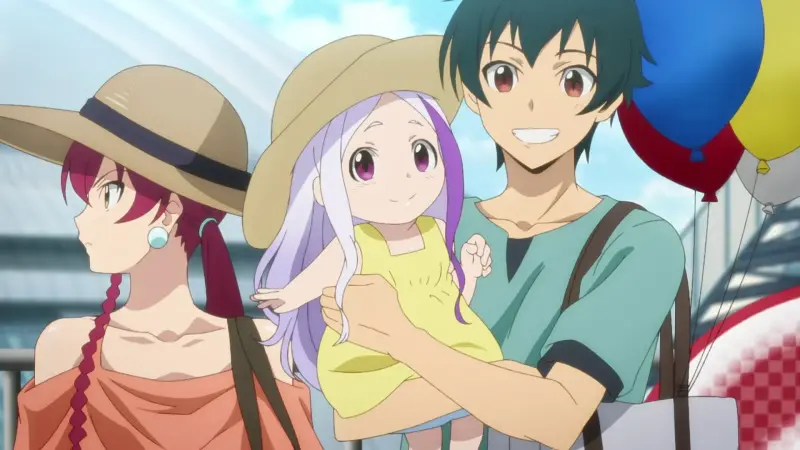
However, the magical holy war is violently interrupted by the crushing reality of modern capitalism. Stripped of their magical powers, the terrifying Demon King is forced to work the grill at a MgRonald’s to pay his rent, while the legendary Hero is stuck doing grueling customer service at a call center. Emi initially stalks him with a kitchen knife, waiting for him to enact his evil plans, only to discover that he is actually a remarkably polite, hardworking shift manager.
Their relationship is a masterclass in enemies-to-lovers progression. Emi’s intense hatred for Maou is entirely justified by his past atrocities, and she refuses to let him forget it. But as they are forced to team up to survive celestial assassins and the struggles of minimum wage, their lethal rivalry slowly morphs into a complex, domestic partnership. It is a brilliant subversion of the fantasy epic, grounding an ancestral grudge in hilarious, modern reality.
Maoyu: Archenemy & Hero
Maoyu: Archenemy & Hero completely deconstructs the standard RPG progression system. The unnamed Hero abandons his party and kicks down the doors of the Demon King’s castle, fully prepared to decapitate her and end the grueling, years-long war between humans and demons. However, instead of drawing a weapon, the Demon King offers him a cup of tea, pulls out a stack of financial ledgers, and delivers a devastating reality check.
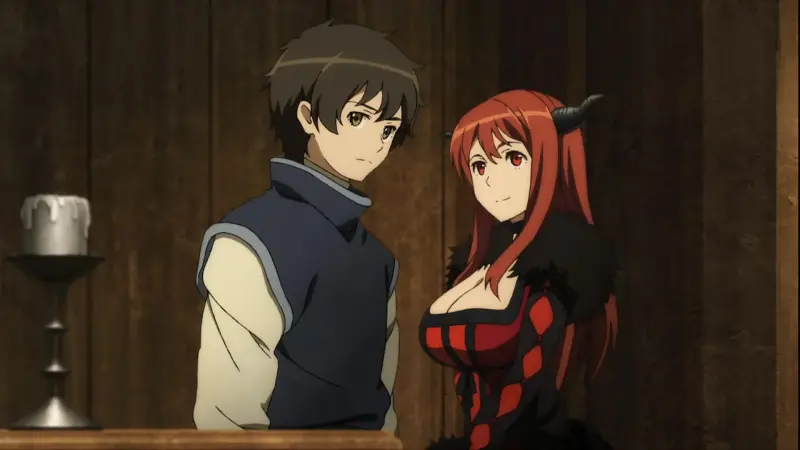
She mathematically proves to the Hero that if he kills her and ends the war, the human economy—which is entirely reliant on wartime production and military subsidies—will instantly collapse, leading to mass starvation and violent civil war. To prevent this, she proposes a radical, highly treasonous alliance: they must join forces, fake their ongoing hostility, and secretly introduce crop rotation, public education, and new economic trade routes to slowly untangle both societies from the war machine.
The Hero reluctantly agrees, essentially pledging his sword and his life to his sworn enemy. Their relationship transitions from mortal combatants into an deeply intimate, highly intellectual partnership. The romance is built entirely on their shared burden; they are two absolute anomalies trying to save a world that desperately wants to kill itself. It is a highly unique, intelligent series that proves economic reform can be incredibly romantic.
Inuyasha
As an absolute titan of the Shonen romance genre, Inuyasha sets the gold standard for starting a relationship on violently hostile terms. When Kagome Higurashi is dragged down a well into the Sengoku period, the very first thing she encounters is the half-demon Inuyasha, permanently pinned to a sacred tree by an arrow. His immediate reaction to waking up is not gratitude; it is unyielding, murderous rage, mistaking Kagome for Kikyo, the priestess who shot him fifty years ago.
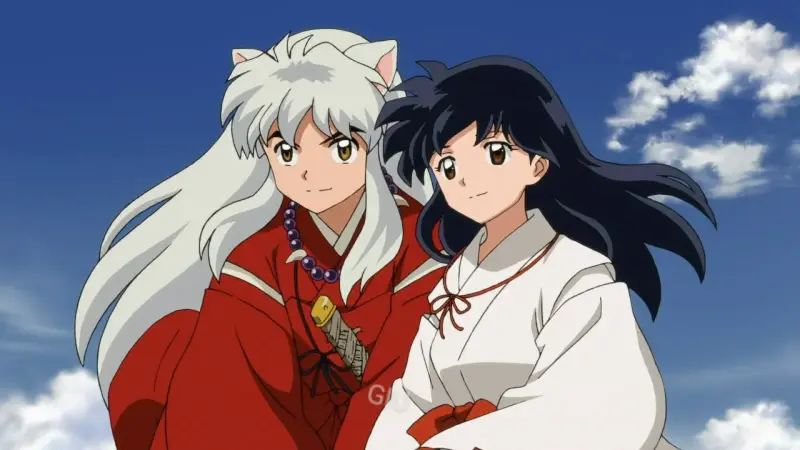
The early episodes are defined by their absolute refusal to cooperate. Inuyasha actively tries to kill Kagome multiple times to steal the Shikon Jewel, completely unrestrained by any moral compass. He is a volatile, abrasive demon who despises humans, and Kagome is terrified of him. Their partnership is only forced into existence through the use of a magical subjugation necklace that violently slams Inuyasha into the dirt whenever Kagome commands it.
However, this intense, borderline lethal hostility makes their eventual romantic payoff legendary. The slow-burn progression from trying to physically obliterate one another to becoming fiercely, undeniably protective is masterfully written. Inuyasha is forced to confront his trauma and hatred, while Kagome learns to look past his demonic aggression. It is an epic, sweeping saga that proves the most enduring love stories often require surviving a few early assassination attempts.
The Case Study of Vanitas
If you are looking for an enemies-to-lovers dynamic fueled by unhinged, aggressive passion, The Case Study of Vanitas is a masterpiece. Vanitas is a flamboyant, manipulative human claiming to be a doctor who cures cursed vampires. Jeanne is the “Hellfire Witch,” an incredibly lethal, traumatized vampire executioner. Their very first encounter involves Jeanne actively trying to separate Vanitas’ head from his shoulders with a massive, flaming gauntlet.
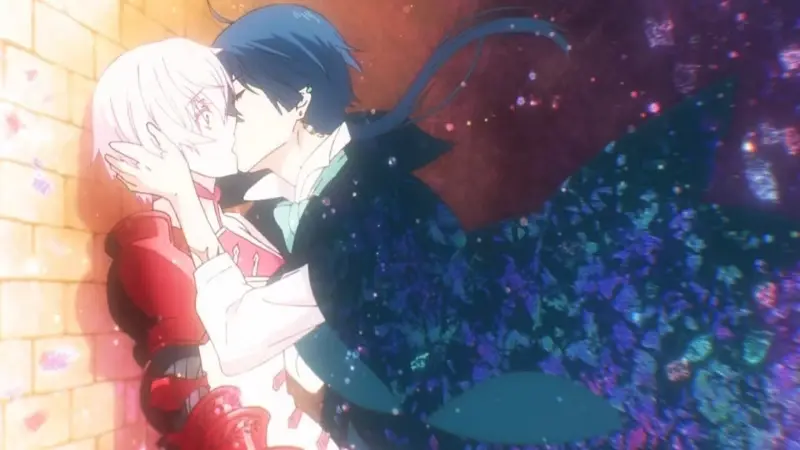
Vanitas does not respond to her murderous intent with traditional combat; he responds with chaotic, aggressive romance. In the middle of their fight, he overpowers her and suddenly kisses her, loudly proclaiming his absolute, unwavering love. Jeanne is utterly disgusted and humiliated. Vanitas essentially weaponizes his affection to completely throw the rigid, combat-focused executioner off balance, creating a deeply chaotic, highly toxic initial dynamic.
However, this bizarre psychological warfare slowly morphs into genuine, burning obsession. Jeanne struggles intensely with her predatory vampiric urges, and Vanitas willingly offers his blood to satiate her, transforming their violent encounters into scenes of overwhelming, borderline-intimate vulnerability. Their relationship operates on a razor’s edge of bloodlust and passion, making it one of the most visually stunning, dangerously magnetic romances in modern dark fantasy.
Yakuza Fiancé: Raise wa Tanin ga Ii
Completely abandoning the soft, wholesome tropes of standard anime, Yakuza Fiancé dives headfirst into the terrifying, unhinged reality of the criminal underworld. Yoshino Somei, the granddaughter of the biggest yakuza boss in Osaka, is forced into an arranged engagement with Kirishima Miyama, the heir to the most powerful syndicate in Tokyo. Initially, Kirishima presents himself as a charming, perfect gentleman. But the mask slips quickly.
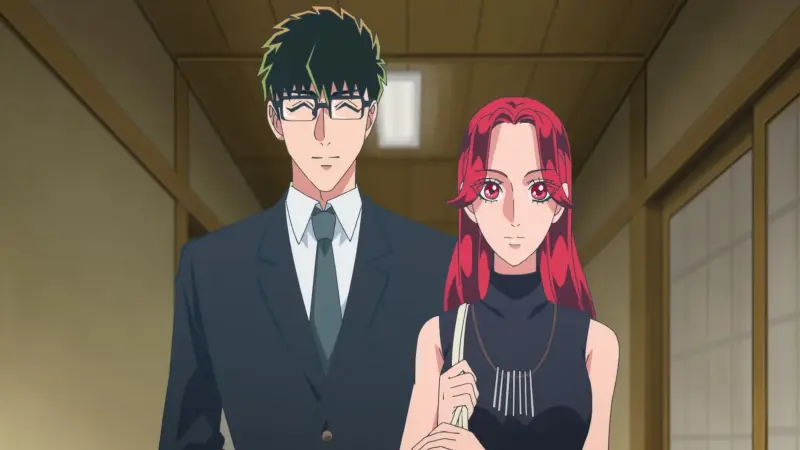
Kirishima reveals himself to be a twisted, terrifyingly violent sociopath who views Yoshino as a disposable toy. He actively orchestrates situations where she is threatened with violence, treating the criminal underworld like a twisted game. Rather than cowering, Yoshino—who was raised by ruthless gangsters—absolutely snaps. She matches his psychological warfare with pure, concentrated grit, refusing to back down from his threats and demanding his absolute submission.
This triggers a severely toxic, utterly fascinating shift in their dynamic. Kirishima becomes deeply, obsessively enamored with Yoshino specifically because she is the only person terrifying enough to actually threaten his life. The romance is built entirely on danger, manipulation, and the constant, lingering threat of physical violence. It is an unapologetic exploration of a deeply unhealthy relationship, captivating viewers who want an enemies-to-lovers narrative with actual, lethal teeth.
Our Last Crusade or the Rise of a New World
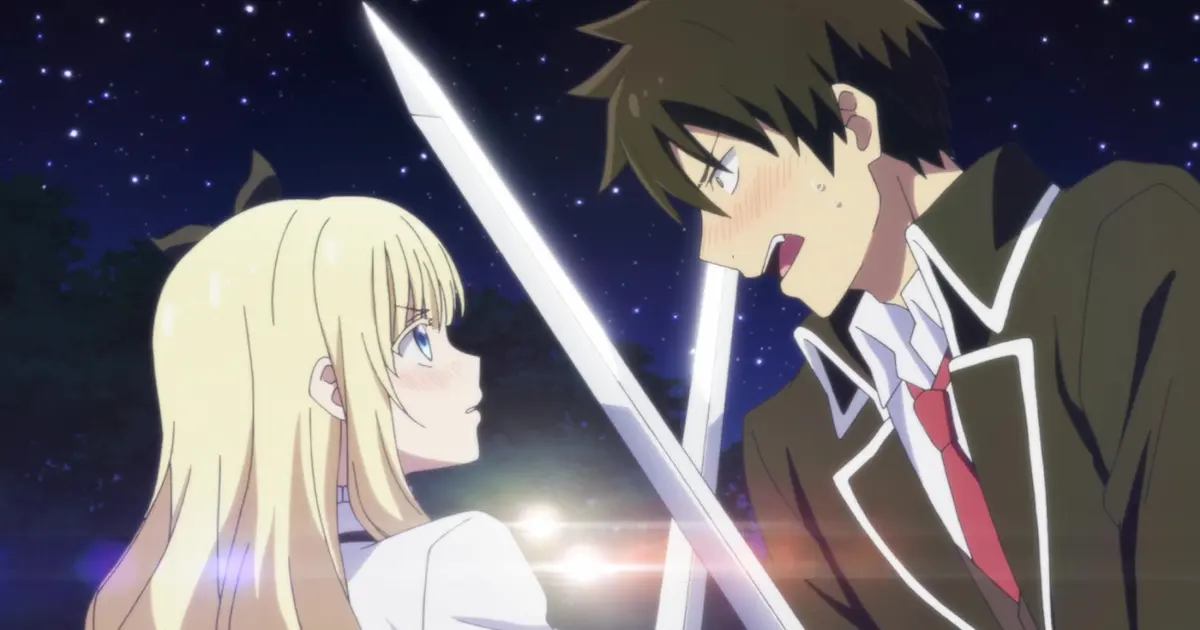
Sitting at the absolute zenith of the enemies-to-lovers trope is Our Last Crusade, an anime that structurally embeds its romance directly into the center of a horrific, century-long war. The Heavenly Empire utilizes advanced scientific machinery and elite swordsmanship, while the Nebulis Sovereignty relies entirely on absolute, destructive magical supremacy. Iska is the greatest swordsman of the Empire; Aliceliese (Alice) is the Ice Calamity Witch, the most feared mage of the Sovereignty.
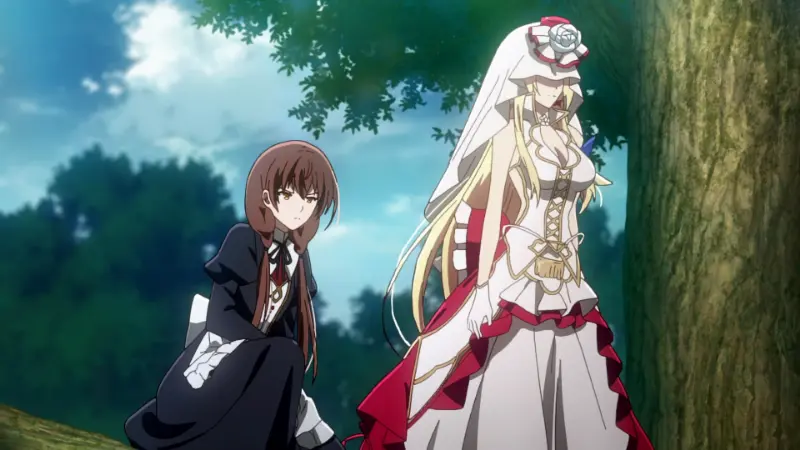
Their first interaction is a desperate, lethal duel on the battlefield where they genuinely try to execute each other to secure victory for their nations. However, their clash of blades results in a mutual, staggering realization: they both secretly despise the war. Underneath their imposing titles, they are just two exhausted, idealistic teenagers who desperately want to establish a lasting, peaceful coexistence between their people.
The tension of their romance is flawless because the geopolitical stakes are so incredibly high. They cannot simply run away together; if their respective governments discover they are fraternizing with the enemy, they will be executed for high treason. They are forced to maintain their public facade as sworn nemeses on the battlefield, orchestrating their brutal duels just to steal a few secret moments to talk. It is a grand, epic action-romance that perfectly captures the agonizing tragedy and profound beauty of falling in love with your mortal enemy.
The Final Stand
The true magic of the “enemies to lovers” trope is the narrative whiplash. When a relationship begins with drawn swords, violent threats, or deep-seated ancestral hatred, the eventual surrender to romantic vulnerability feels like a monumental victory. Whether it is Yoshino breaking the mind of a yakuza sociopath or Iska and Alice desperately searching for peace amidst a bloody, magical world war, these anime prove that the strongest bonds are often forged in the fires of absolute hostility.
If you need a break from the psychological warfare and want to explore romances that skip the hostility entirely, check out our list of the Top 10 Romance Anime Where the Couple Gets Together in Episode 1. Or, if you want to vote on your favorite toxic rivalry, head over to our Smash or Pass hub and let your instincts decide.
Which hostile rivalry had the most satisfying romantic payoff?
Frequently Asked Questions
What defines a true 'enemies to lovers' romance anime?
Is Yakuza Fiancé a toxic romance?
Do Emi and Maou get together in The Devil Is a Part-Timer?
Why is Our Last Crusade considered the best fantasy enemies to lovers?
Is The Case Study of Vanitas a romance anime?
Rank Your Favorites
Take a break and play our interactive Smash or Pass games. Vote on your favorite anime characters, game characters, and idols to shape the global tier lists.

Join the Discussion (0)