Top 10 Most Disturbing Anime You Should Never Watch
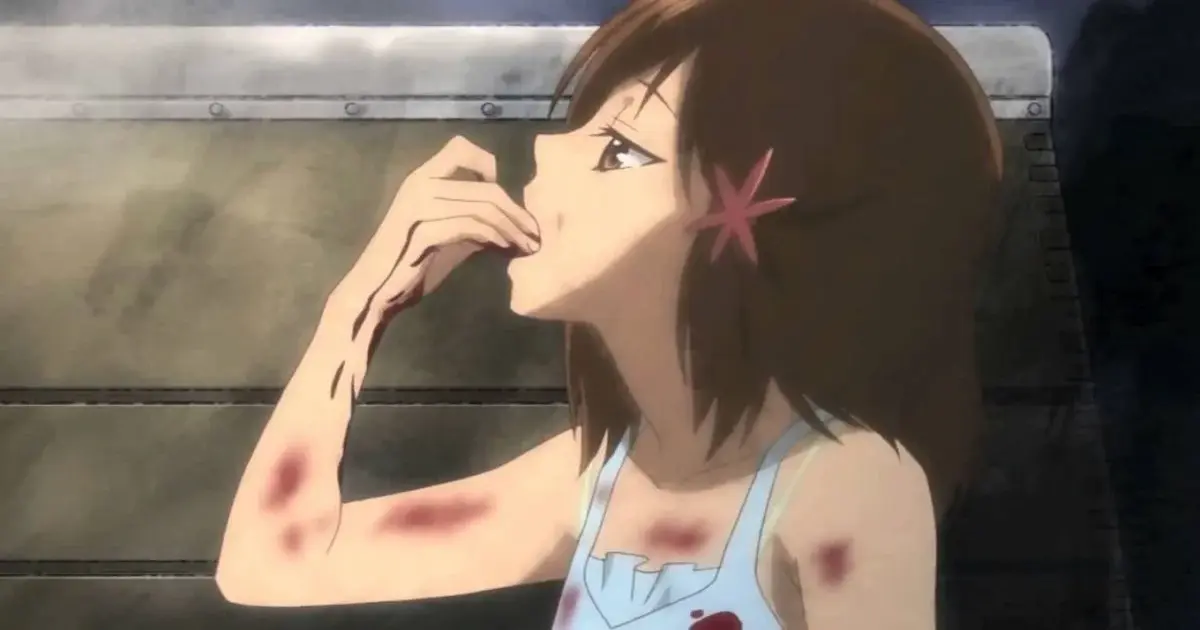
There is a massive difference between being scared and being profoundly, physically uncomfortable. When you watch a standard horror anime, the thrill comes from the adrenaline of surviving a fictional threat. But there is a darker, much more niche corner of the medium that doesn’t care about jump scares. These are the shows that aim to make you feel sick to your stomach, targeting your boundaries, your ethics, and your sanity.
The anime on this list are not fun to watch. They are masterclasses in moral decay, heavily reliant on highly controversial subjects and extreme social taboos. They feature grotesque body mutations, unapologetic cruelty, and protagonists who operate with zero moral compass. These narratives are designed to cross lines that should never be crossed, leaving viewers with a lingering sense of filth that a hot shower simply cannot wash away.
Consider this a definitive warning. If you are looking for the hardest, most sickening anime to watch, you have found them. Proceed at your own risk. Here are the Top 10 most disturbing anime that will absolutely shatter your comfort zone.
Table of Contents
Hell Target
Kicking off this list is Hell Target, a relatively obscure 1987 Original Video Animation (OVA) that embodies the absolute darkest and grimiest aesthetics of retro sci-fi anime. The premise follows a doomed rescue mission in deep space where a crew responds to a distress signal from a research vessel, only to find themselves trapped in a terrifying, demonic dimension that aggressively consumes human flesh and sanity.
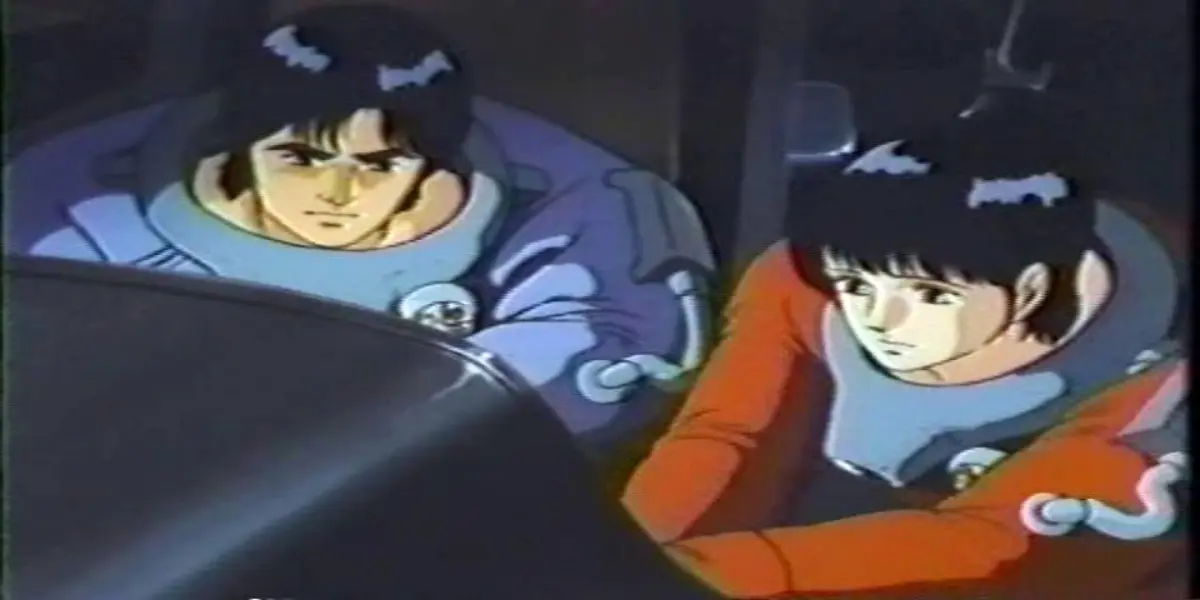
What makes this entry so deeply uncomfortable is its reliance on visceral, wet body horror. The animation spares no expense in showing the agonizing transformation of the crew members as they are infected and absorbed by the alien entity. Flesh melts, bones snap, and the sheer volume of organic, pulsing gore plastered across sterile spaceship walls creates a suffocating sense of claustrophobia that modern CGI simply cannot replicate.
It ranks at the bottom of our disturbing list only because its moral decay is minimal—it is ultimately a monster story. However, the sheer sickness factor of the visuals, combined with the hopelessness of being trapped millions of miles from Earth while your body is slowly turned inside out, guarantees a highly unpleasant viewing experience for anyone with a weak stomach.
Gyo: Tokyo Fish Attack
Adapting the works of legendary horror mangaka Junji Ito is notoriously difficult, but the studio behind Gyo: Tokyo Fish Attack managed to capture the one thing that makes this story so revolting: the absolute, inescapable sickness of the “death stench.” When Japan is suddenly invaded by millions of rotting sea creatures walking on land via mechanical, gas-powered spider legs, society rapidly collapses into an apocalyptic nightmare of infection and decay.
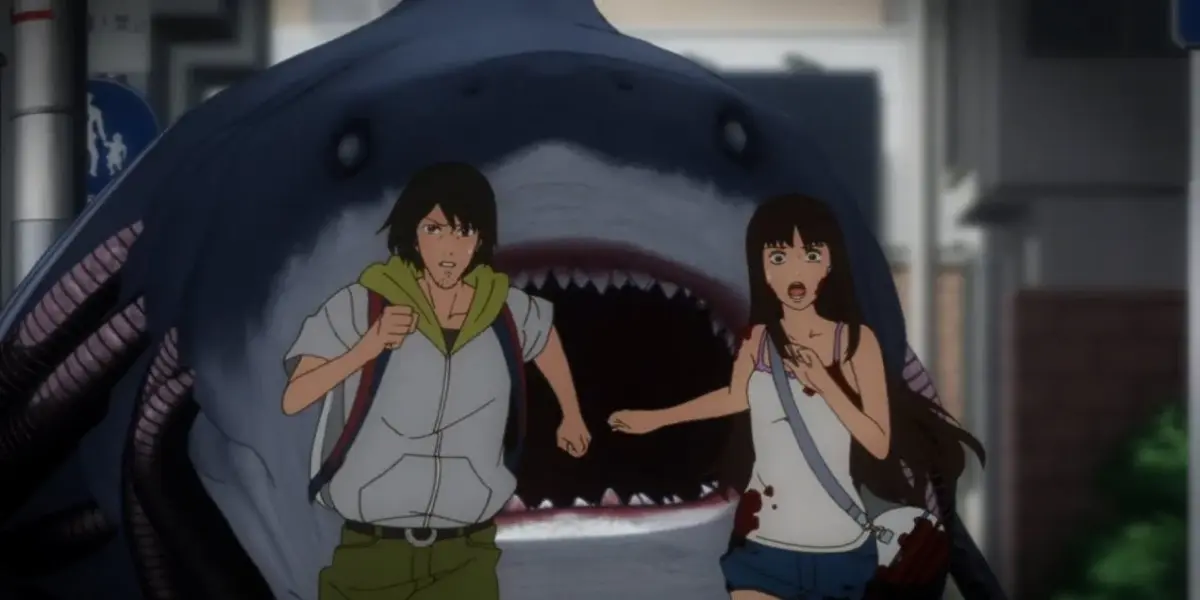
This anime is designed to make you feel physically ill. The core concept revolves around the human body bloating with noxious gas as a deadly bacteria takes over. Watching characters you care about slowly turn into swollen, flatulent, grotesque batteries to power mechanical legs is a massive violation of human dignity. It is a highly controversial take on body horror that abandons all subtly for pure, unadulterated gross-out tactics.
The film is deeply uncomfortable because it refuses to give the viewer a moment of clean air. Every frame feels infected. The moral decay here is biological—human beings are reduced to nothing more than rotting sacks of gas, stripped of all humanity. It is an absurd premise executed with such unapologetic ugliness that it will leave you thoroughly disgusted.
Kemonozume
Directed by the visionary Masaaki Yuasa, Kemonozume is an incredibly difficult anime to categorize. It is technically a romance, but it is wrapped in an aesthetic so deliberately ugly and bizarre that many viewers tap out after the first episode. The story revolves around the Shokujinki, a race of flesh-eating monsters that disguise themselves as humans, and the Kifuuken, a martial arts dojo dedicated to hunting them down by severing their limbs.
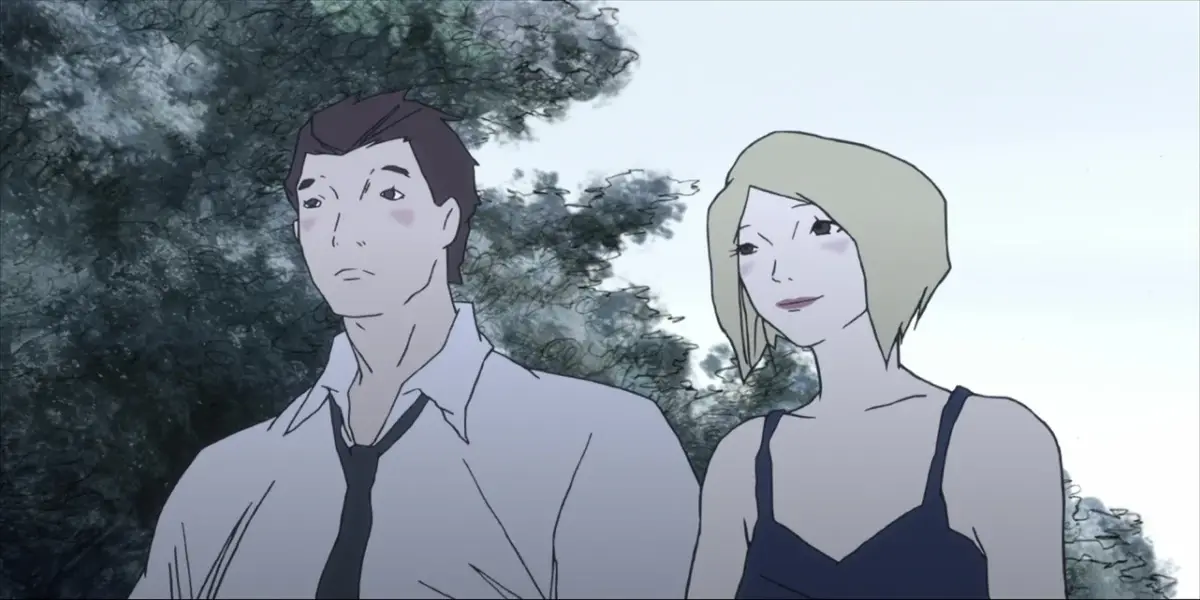
When the heir to the dojo falls in love with a beautiful woman who turns out to be a Shokujinki, the narrative plunges into heavily taboo territory. The anime intertwines extreme sexual tension with literal cannibalism. Yuasa’s erratic, sketch-like animation style makes the transformation scenes—where human skin rips apart to reveal grotesque, disproportionate monsters with giant claws and teeth—feel incredibly raw and deeply unsettling.
The discomfort stems from the moral ambiguity and the grotesque presentation of intimacy. Love and consumption are blurred until they are indistinguishable. Watching characters struggle with the primal urge to physically eat the people they care about pushes the boundary of acceptable television, creating a gritty, controversial masterpiece that is guaranteed to make your skin crawl.
Amon: The Apocalypse of Devilman
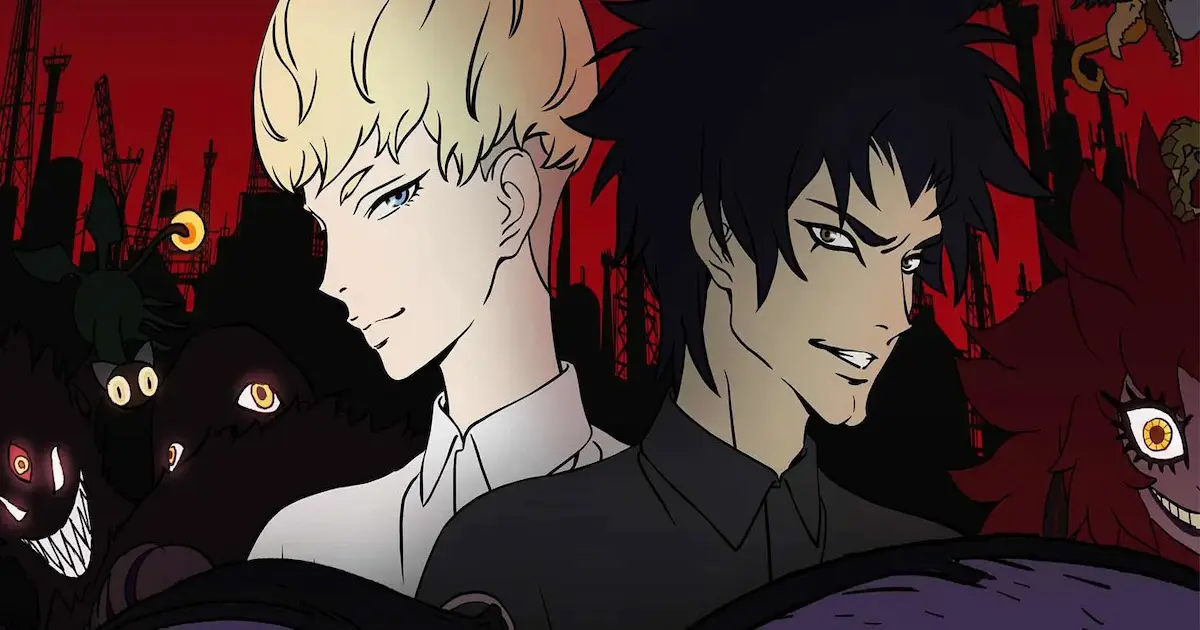
Amon: The Apocalypse of Devilman is not an anime you watch for a deep, uplifting narrative; it is an endurance test of sheer, unrelenting brutality. Set in the immediate aftermath of society discovering the existence of demons, the world rapidly descends into absolute chaos. The military turns on the populace, paranoia reigns supreme, and humans begin committing atrocities against each other that rival the cruelty of the monsters they fear.
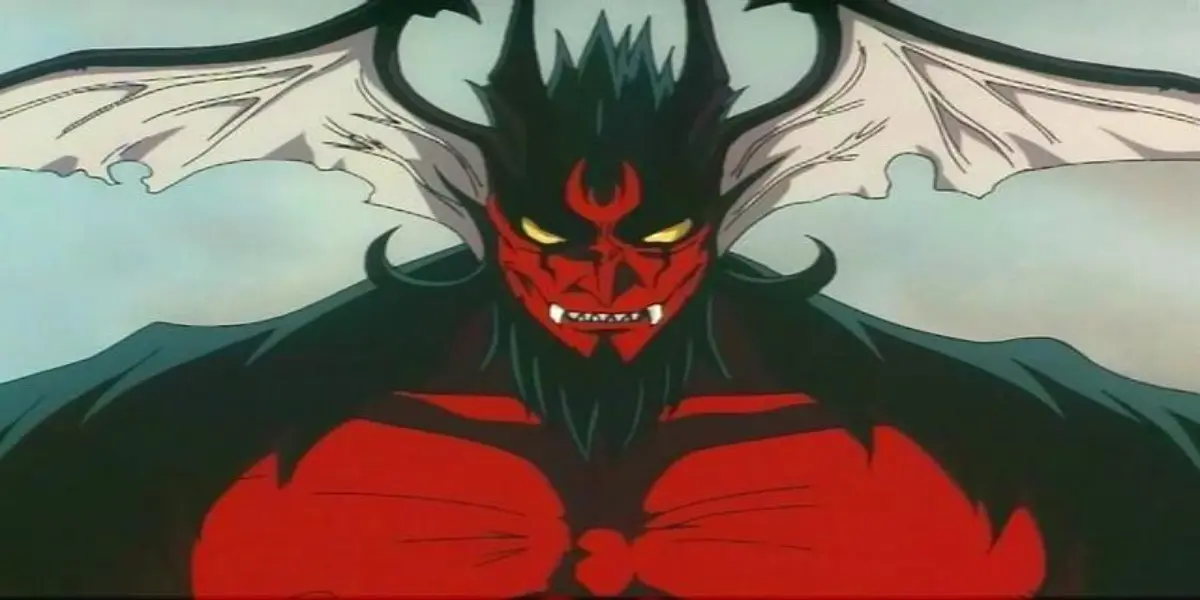
This OVA pushes the boundary of moral decay to its absolute breaking point. It holds nothing back in its depiction of mob violence, portraying humans tearing innocent people limb from limb out of sheer panic. The violence is not stylized to look cool; it is animated to look agonizing, messy, and fundamentally wrong. When the titular demon Amon takes control, the resulting carnage is a blood-soaked spectacle of pure nihilism.
The discomfort here is psychological as well as visual. By showing that the “normal” humans are just as capable of vile, taboo acts as the literal demons from hell, the anime strips away any hope or inherent goodness in the human race. It is a bleak, suffocating, and incredibly graphic experience that will leave you staring blankly at the screen long after the credits roll.
Apocalypse Zero
If there is an award for the most unapologetically vile and disgusting anime of the 1990s, Apocalypse Zero takes the crown without hesitation. Set in a post-apocalyptic Tokyo that has been overrun by hideous mutants, the story follows a young warrior who must don a bio-mechanical suit of “fortified armor” to fight his own corrupted brother. But the plot is completely secondary to the sheer volume of extreme body horror.
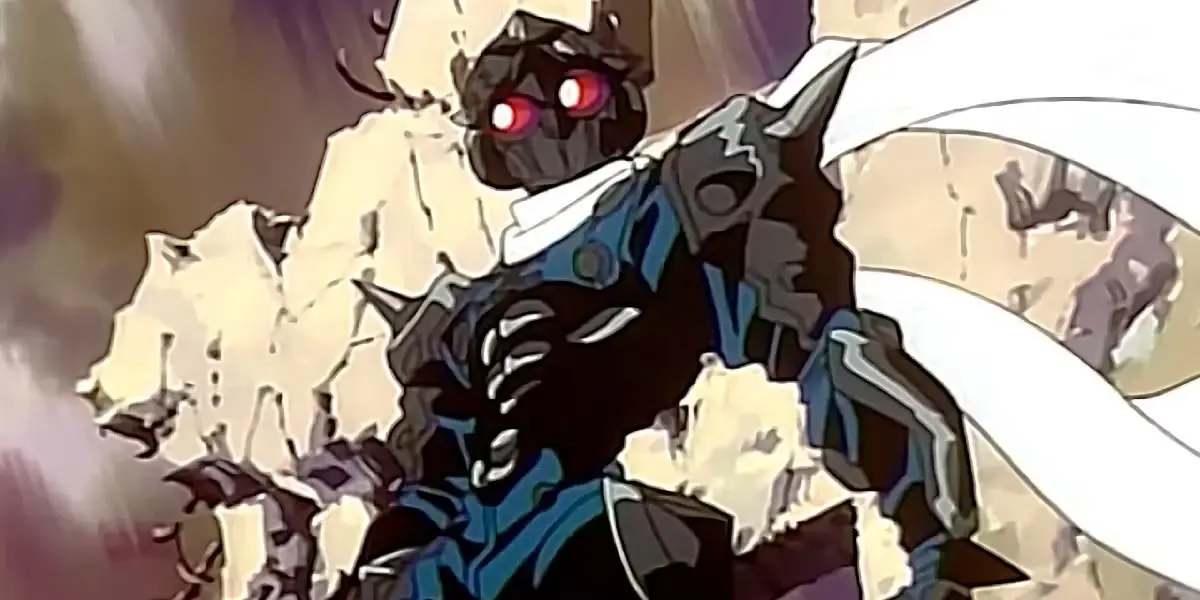
The creature designs in this OVA are the stuff of pure nightmares, aggressively crossing into controversial territory. The monsters are often horrific amalgamations of human reproductive organs, rotting flesh, and exposed bone. The violence is so over-the-top that it borders on the surreal—heads explode into showers of grey matter, bodies are dissolved by acid, and limbs are torn off with sickeningly detailed audio design.
What makes Apocalypse Zero so profoundly uncomfortable is its deliberate intent to gross the viewer out. There is no deeper philosophical meaning hidden beneath the gore; it exists solely to push the boundaries of what could legally be animated and sold on VHS. It is an exercise in pure taboo sickness that will test the gag reflex of even the most hardened dark anime veterans.
Midori-ko
Midori-ko is a bizarre, independent triumph of experimental animation that took creator Keita Kurosaka over a decade to draw by hand using colored pencils. Set in a dystopian, decaying version of Tokyo where a massive food shortage has led scientists to develop a “dream food” that is essentially a grotesque, sentient meat-vegetable hybrid, the film is an absolute assault on the senses.
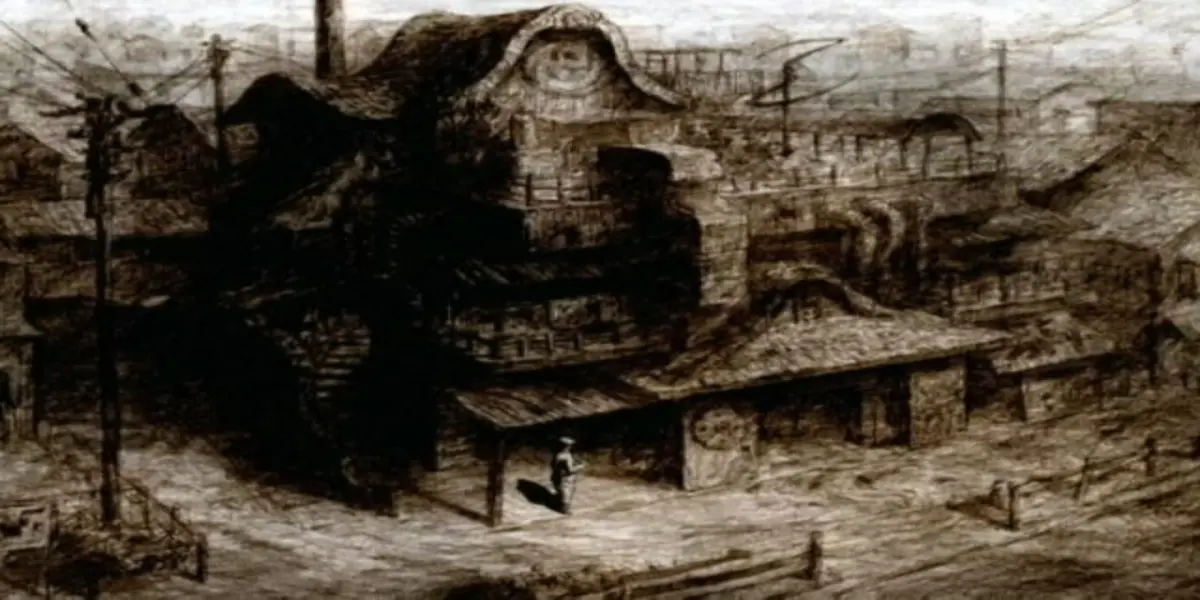
The sheer level of visual discomfort in this film cannot be overstated. Because every single frame is meticulously hand-colored, the world feels erratic, pulsating, and fundamentally unstable. The characters look sick and mutated, and the continuous imagery of chewing, swallowing, and digesting bizarre organic matter induces a profound sense of nausea. It is less of a traditional narrative and more of a 55-minute anxiety attack captured on paper.
The moral decay in Midori-ko is societal. The film showcases humanity’s willingness to consume absolutely anything—including sentient, screaming entities—just to satisfy its own greed and hunger. The highly controversial art style and the relentless, suffocating atmosphere make this a deeply sickening viewing experience that operates entirely outside the boundaries of mainstream anime.
Belladonna of Sadness
Produced in 1973 by Mushi Production, Belladonna of Sadness is a highly controversial, avant-garde cinematic experience that is incredibly difficult to sit through. Exploring the bleak realities of feudal France, the story follows a peasant woman named Jeanne who is subjected to a horrific, state-sanctioned sexual assault by the local baron on her wedding night. Broken and ostracized by her village, she ultimately makes a literal pact with the devil for revenge.
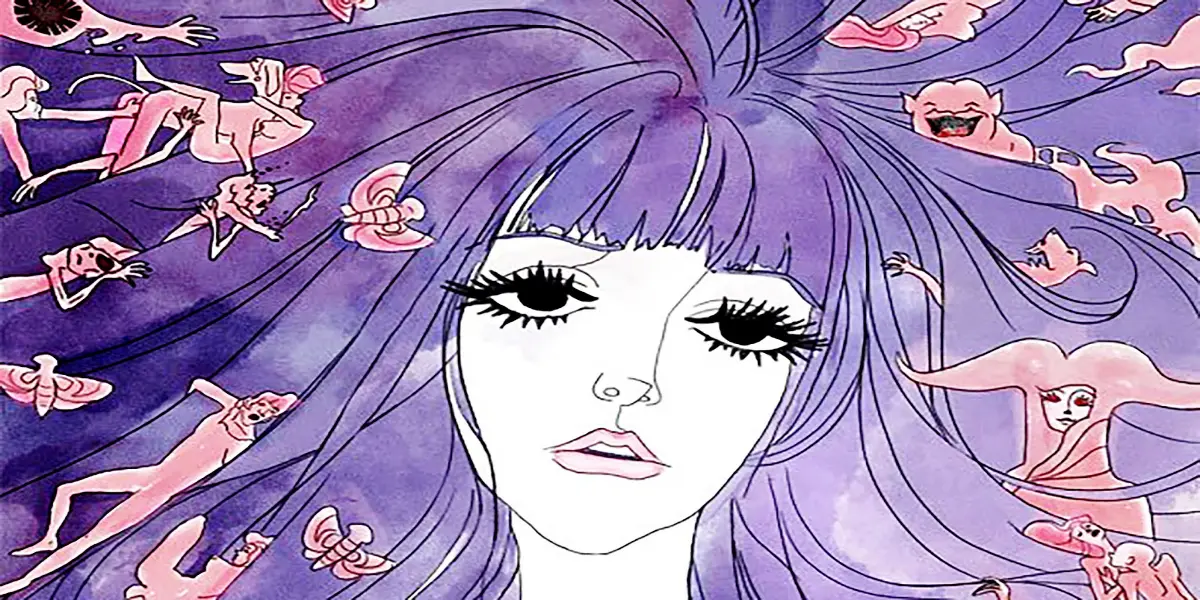
This film is not animated in a traditional sense; it consists largely of slow-panning, highly detailed watercolor paintings set against a haunting, psychedelic rock soundtrack. The discomfort arises from how the film portrays immense suffering. The imagery is frequently abstract, transitioning between beautiful, flowing hair and surreal, deeply violating phallic symbols and demonic entities. The contrast between the beautiful art and the vile subject matter is deeply jarring.
The moral decay depicted in Belladonna of Sadness is absolute. It is a grueling look at misogyny, the abuse of power, and the total destruction of innocence. The extreme taboos explored throughout the film, combined with its hallucinatory visual style, make it a significant historical artifact in anime, but an incredibly traumatizing and uncomfortable film to actually watch.
Pupa
Very few anime have managed to disgust the community quite as effectively as Pupa. The premise centers on a teenage boy, Utsutsu, and his younger sister, Yume, who are both infected by a mysterious virus. The virus turns Yume into a grotesque, flesh-eating monster driven by an insatiable hunger, while granting Utsutsu hyper-regenerative abilities. To keep his sister from murdering innocent people, Utsutsu allows her to eat his own flesh.
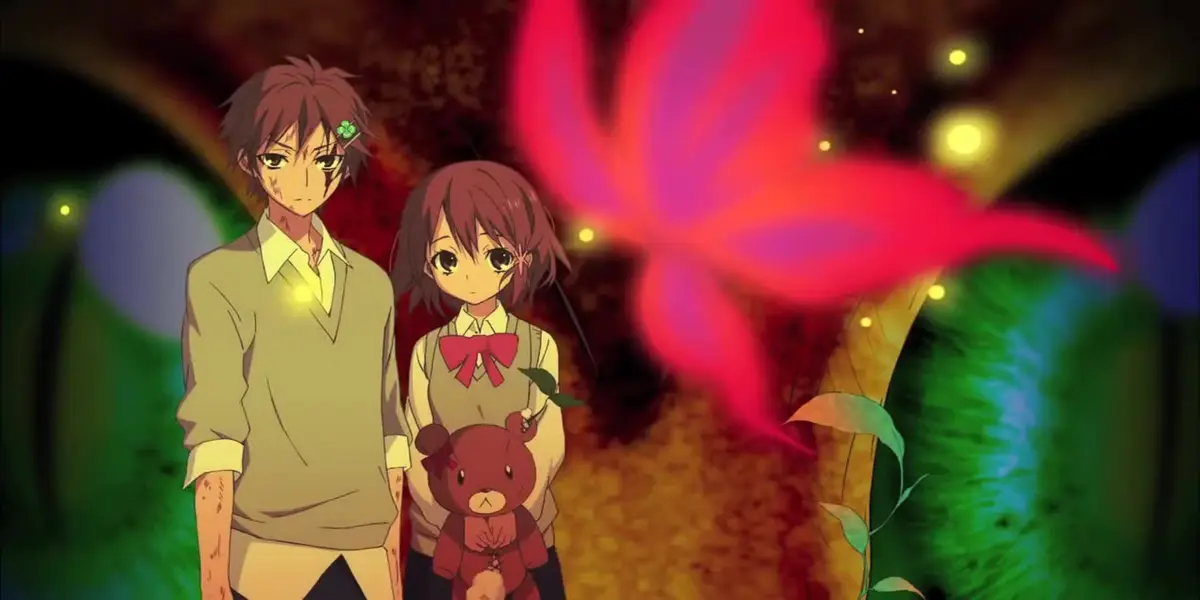
This narrative is the literal definition of highly controversial. The anime takes the concept of sibling devotion and twists it into a sickening display of incestuous cannibalism. The scenes where Yume feeds on her brother are framed with extreme discomfort, accompanied by agonizingly detailed audio design of tearing flesh, slurping, and wet chewing. It is designed to violate every sensible boundary the viewer possesses.
While the anime adaptation was heavily criticized for its rushed, 4-minute episode format and massive censorship issues during its original broadcast, the uncensored material remains a masterclass in pure revulsion. Pupa completely discards morality in favor of extreme, taboo-breaking shock value, cementing its legacy as one of the most disgusting things you can subject your eyes to.
Shadow Star Narutaru
If you look at a poster for Shadow Star Narutaru, you would be forgiven for thinking it was a cheerful, late-90s rip-off of Pokémon. The bright colors, simple character designs, and cute alien companions (called “Shadow Dragons”) perfectly mimic the aesthetic of a Saturday morning cartoon. This visual deception is exactly what makes the ensuing descent into absolute depravity so incredibly shocking.
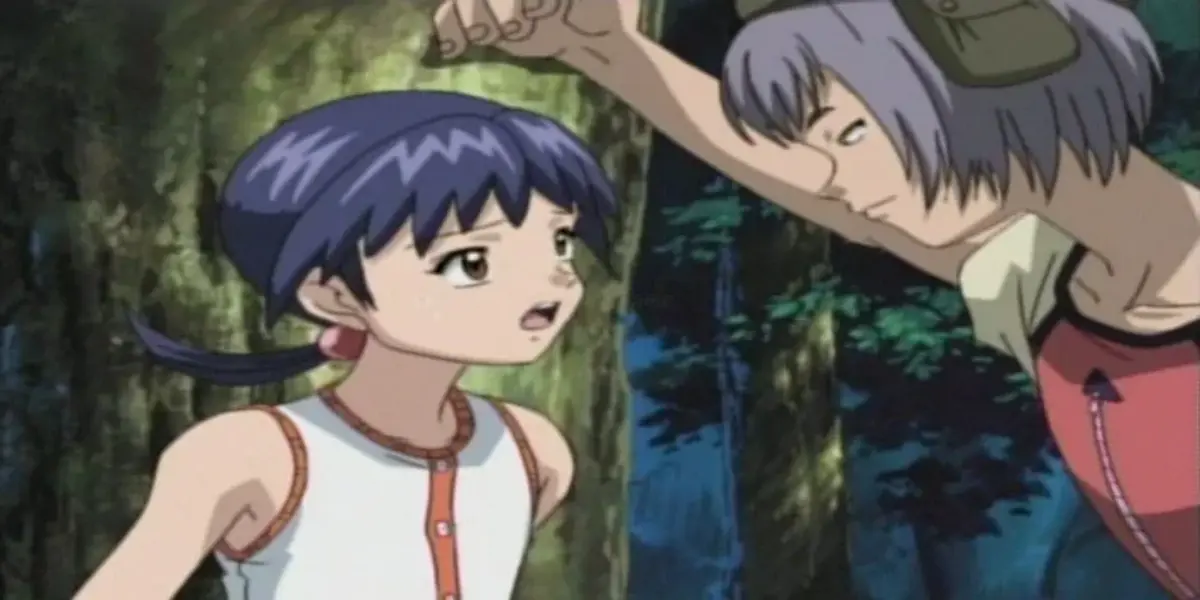
The series explores what would actually happen if deeply troubled, unsupervised children were suddenly given access to weapons of mass destruction. The moral decay in this show is terrifyingly grounded. Instead of fighting for friendship, the teenagers use their monsters to enact horrific revenge fantasies, commit mass murder, and orchestrate brutal psychological torture against their peers. The bullying depicted is not standard high school drama; it borders on snuff film levels of cruelty.
What solidifies this show’s placement so high on the discomfort scale is a specific, infamous episode involving a bullied girl and a test tube. The series crosses into highly controversial taboos regarding sexual assault and the absolute worst capacities of human cruelty, completely shattering the illusion of its cute art style. It is a deeply traumatizing viewing experience that weaponizes your expectations against you.
Happy Sugar Life
Taking the top spot as the most deeply uncomfortable and morally bankrupt anime you can possibly watch is Happy Sugar Life. This series is a masterclass in psychological revulsion. The story follows Satou Matsuzaka, a seemingly normal and beautiful high school girl who finally discovers the meaning of “true love.” The horrifying catch is that the object of her affection is Shio, an innocent, kidnapped 8-year-old girl whom Satou keeps locked inside her apartment.
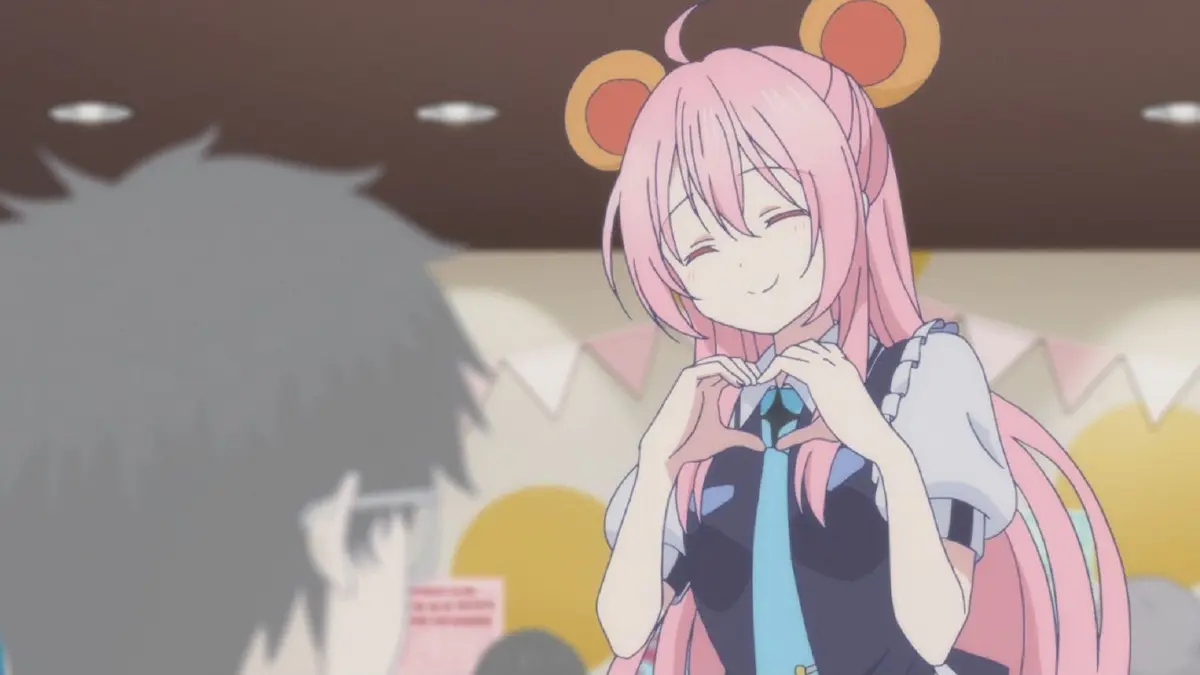
The absolute genius—and utter terror—of this anime is how it forces the viewer into the perspective of the villain. The show is drenched in bright pinks, cute sparkles, and upbeat pop music, visually mimicking the euphoric delusion of Satou’s broken mind. However, behind this sickeningly sweet facade lies a trail of extreme moral decay. Satou will lie, manipulate, blackmail, and brutally murder absolutely anyone who threatens her “happy sugar life” with the child.
There is no line this anime will not cross. It dives headfirst into highly controversial themes, including pedophilia, statutory rape, domestic abuse, and the complete absence of a moral compass in almost every single adult character on screen. It makes the viewer feel physically dirty because it presents absolute sickness as something beautiful and pure. Happy Sugar Life is the ultimate taboo, guaranteeing an inescapable feeling of discomfort from the first episode to the agonizing finale.
Wash It Away
There is a specific kind of exhaustion that comes from finishing a truly disturbing anime. Unlike horror, which leaves you relieved when the credits roll, these series leave a lingering residue of extreme discomfort and moral decay. From the avant-garde taboos of Belladonna of Sadness to the sickeningly sweet facade of Happy Sugar Life, these narratives push the boundaries of what the medium can—and perhaps should—explore.
If you need to completely scrub your brain clean after reading this, we highly recommend taking a break with our Smash or Pass games to vote on some harmless character tier lists. Or, if you want something sad but nowhere near as controversial, check out our ranking of the Top 10 Sad Anime That Will Make You Cry.
Which of these made you the most uncomfortable?
Frequently Asked Questions
What is the difference between horror anime and disturbing anime?
Why is Happy Sugar Life considered one of the most controversial anime?
Is Shadow Star Narutaru suitable for children?
What makes Belladonna of Sadness so uncomfortable to watch?
Why do anime fans hate the Pupa adaptation?
Rank Your Favorites
Take a break and play our interactive Smash or Pass games. Vote on your favorite anime characters, game characters, and idols to shape the global tier lists.



Join the Discussion (0)