Top 10 Sad Anime That Will Make You Cry (No Romance)
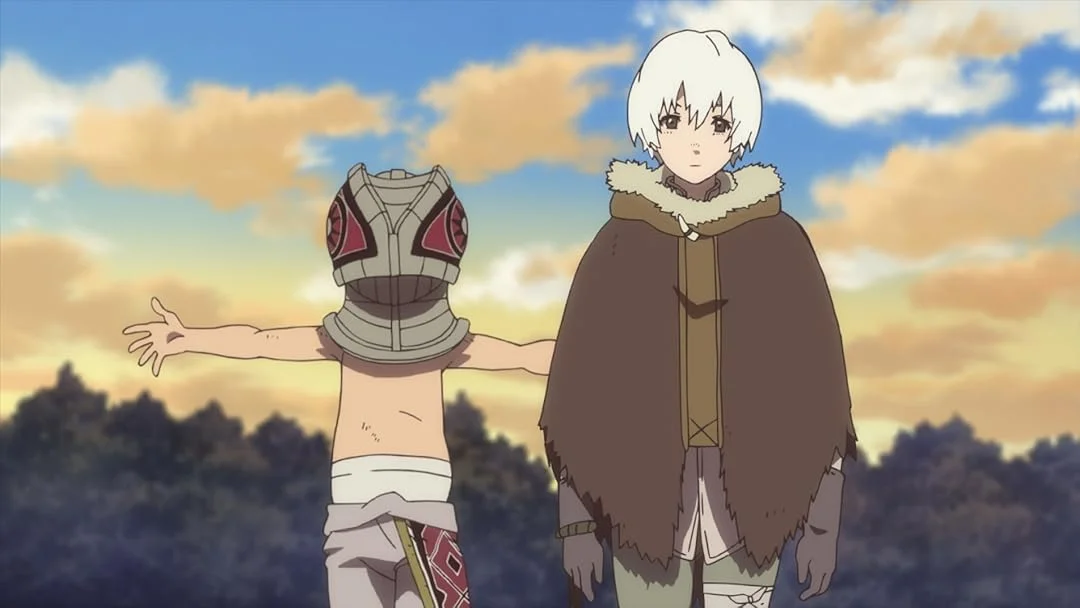
When most people think of sad anime, their minds immediately jump to terminal illnesses disguised as high school love stories, tear-jerking confessions beneath cherry blossom trees, and star-crossed lovers torn apart by fate. But what if you want to be emotionally destroyed without the romantic melodrama? What if you want a story that taps into the raw, unfiltered pain of the human experience?
Some of the most devastating narratives in the anime medium have absolutely nothing to do with romance. They explore the horrific collateral damage of war, the agonizing weight of survivor’s guilt, the quiet despair of clinical depression, and the unbreakable, sometimes tragic bonds of family. These are the stories that hit closer to home because they deal with universal fears: losing a sibling, outliving your children, or simply trying to find a reason to keep living when the world has taken everything from you.
If you are ready for a purely emotional endurance test, brace yourself. From historical tragedies to masterful depictions of PTSD, here are the Top 10 sad anime with zero romance that will absolutely break your heart.
Table of Contents
Natsume's Book of Friends
Natsume’s Book of Friends does not rely on sudden character deaths or catastrophic tragedies to make you cry. Instead, it utilizes a slow, quiet, and deeply profound sense of melancholy that sneaks up on you until you find yourself weeping over a 20-minute episodic encounter. The story follows Takashi Natsume, an orphaned boy who can see Yokai (spirits). Because of this terrifying ability, he has spent his entire childhood being passed between relatives who view him as a creepy, lying burden.
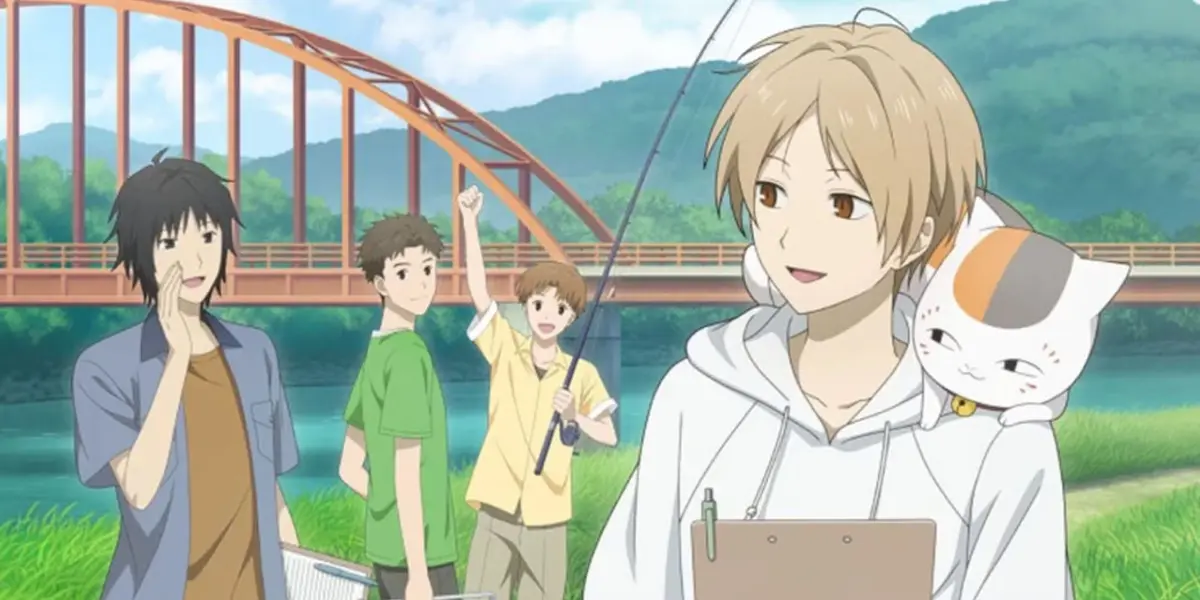
The core of the series revolves around Natsume inheriting a book from his late grandmother containing the bound names of countless spirits. Rather than using it to control them, he decides to return their names. This process grants him access to the spirits’ memories, revealing that these terrifying monsters are often just as lonely, misunderstood, and desperate for connection as he is. The sadness here is deeply empathetic, rooted in the tragic misunderstandings between two different worlds.
What makes this anime so emotionally devastating is watching a deeply traumatized, abused child slowly learn that he is worthy of love. Every time Natsume experiences a moment of genuine warmth from his new foster parents or a spirit companion, the contrast to his agonizingly lonely childhood is enough to bring you to tears. It is a masterclass in healing and quiet sorrow.
A Place Further Than the Universe
On the surface, A Place Further Than the Universe looks like an uplifting, “cute girls doing cute things” adventure anime about high schoolers trying to travel to Antarctica. However, lurking beneath the vibrant animation and infectious optimism is an incredibly raw, meticulously paced exploration of sudden loss and the paralyzing nature of unresolved grief. The emotional payload this 13-episode series delivers is legendary in the anime community.
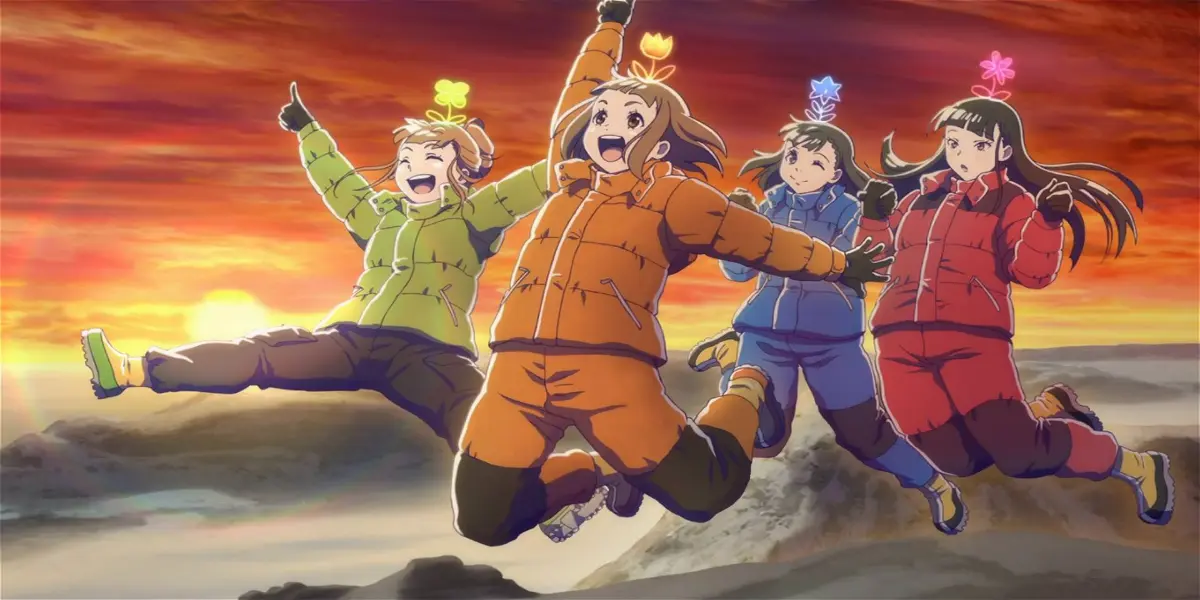
The emotional anchor of the narrative is Shirase, a girl who is relentlessly mocked by her peers for her obsession with reaching the frozen continent. Her motivation is purely heartbreaking: three years prior, her mother disappeared during an Antarctic expedition. Because her mother’s body was never recovered, Shirase’s brain physically cannot process the death. She is trapped in a state of emotional stasis, working exhausting part-time jobs just to fund a trip to the edge of the world to find closure.
When the climax of the series hits in episode 12, it executes one of the most agonizing, tear-jerking scenes in modern anime history. The show brilliantly captures the exact moment a person’s psychological dam breaks and the reality of a loved one’s death finally sets in. It is an incredibly inspiring story, but the emotional toll it takes on the viewer is massive.
Look Back
Adapted from the devastating one-shot manga by Tatsuki Fujimoto (the creator of Chainsaw Man), Look Back is a highly concentrated, 58-minute emotional nuke. It tells the story of Fujino, an overly confident fourth-grader who writes gag manga for the school paper, and Kyomoto, a severely agoraphobic student whose breathtaking artistic talent completely shatters Fujino’s ego. What starts as a bitter rivalry transforms into a beautiful, co-dependent artistic partnership.
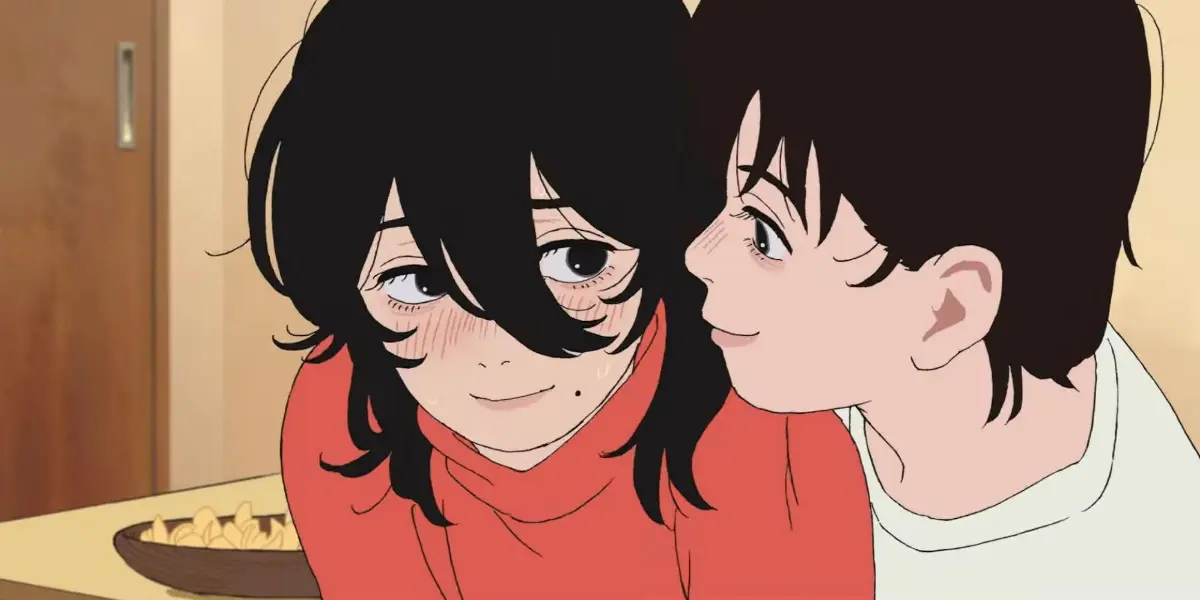
This film is a love letter to the grueling, often thankless pursuit of creating art, but it takes a terrifyingly realistic and tragic turn. Without spoiling the exact nature of the climax, the narrative violently pivots, confronting the viewer with the randomness of real-world violence. It forces Fujino to grapple with a soul-crushing question: if she had never encouraged Kyomoto to leave her room and pursue art, would her best friend still be safe?
The pacing of the film is masterful, relying heavily on long, silent shots of the girls hunched over their desks, communicating the passage of time and the depth of their bond entirely through posture and animation. When the tragedy strikes, the ensuing exploration of survivor’s guilt and the desperate desire to literally redraw reality will leave you absolutely weeping. It is a masterpiece of modern sorrow.
Angel Beats!
If you judge Angel Beats! by its first few episodes, you might mistake it for a chaotic, slapstick action-comedy. A group of heavily armed high schoolers are waging a rebellion against a stoic girl known as “Angel” in a mysterious school setting. But the comedic facade is a deliberate trap. This school is actually a purgatory for teenagers who suffered deeply tragic, unfair deaths before they had the chance to experience a normal youth.
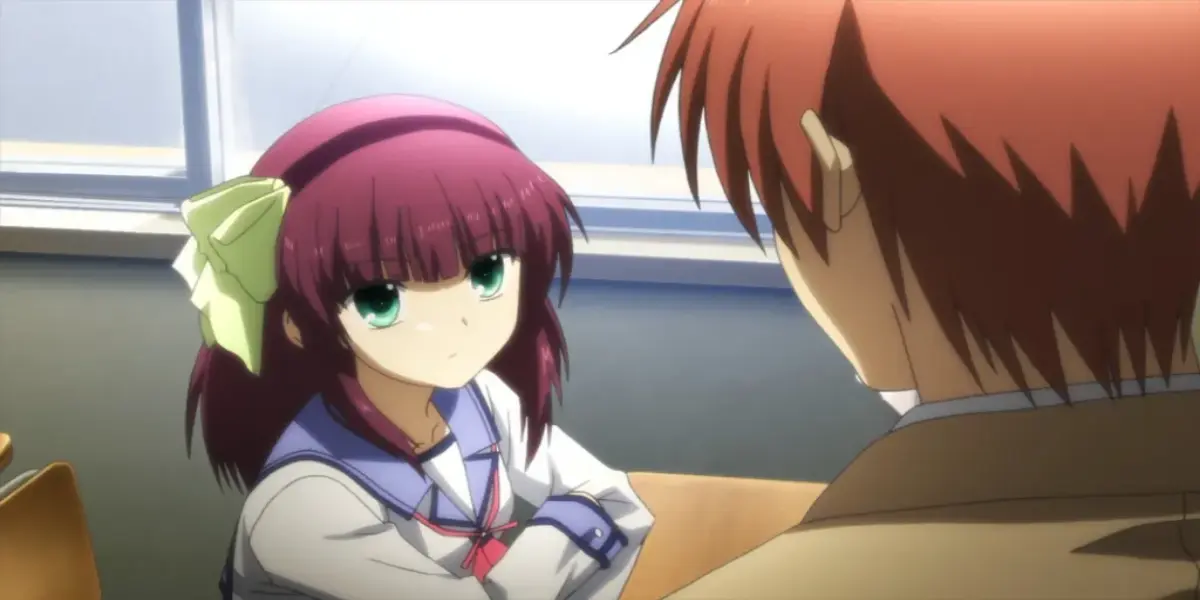
The series delivers its heartbreak episodically by stripping away the characters’ comedic armor and forcing the audience to witness how they died. The backstories are incredibly bleak. From a promising musician having her career destroyed by a sudden, paralyzing stroke, to victims of fatal train crashes, to children who were brutally murdered during home invasions—every character is carrying an insurmountable burden of trauma. They are fighting against “God” simply because they are furious at the hands they were dealt.
The emotional core of the show is the realization that they cannot remain in purgatory forever. To move on, they must accept their horrific pasts and find peace with the lives they were robbed of. Watching these traumatized kids finally fulfill their simple, unachieved dreams—like playing in a band or catching a baseball—before silently vanishing from existence is a guaranteed way to empty a box of tissues.
March Comes in Like a Lion
March Comes in Like a Lion offers one of the most painfully accurate depictions of clinical depression ever put to screen. The story focuses on Rei Kiriyama, a 17-year-old professional shogi player who lives alone in Tokyo. Following the death of his parents and sister in a traffic accident, Rei was taken in by a foster family, only to realize his mere presence was tearing them apart. Burdened by immense guilt, he isolates himself completely.
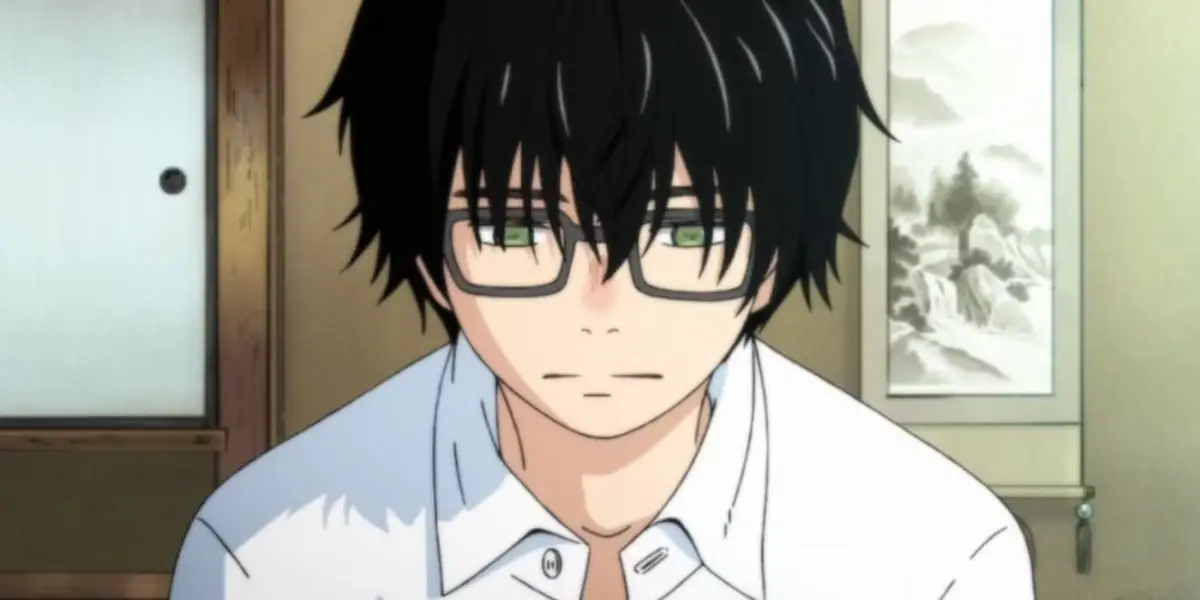
The anime uses Studio Shaft’s brilliant, avant-garde animation style to visually represent mental illness. When Rei is alone, the screen is often consumed by dark, heavy water, visually communicating the sensation of drowning in your own thoughts. The audio becomes muffled, and the crushing weight of his apathy makes simple tasks, like eating or getting out of bed, feel like impossible chores. The sadness here is heavy, chronic, and entirely grounded in reality.
However, the tears this anime extracts are not just from despair. The show balances Rei’s suffocating darkness with the blindingly warm, unconditional love of the Kawamoto sisters—three siblings who force their way into his life and insist on feeding and caring for him. Watching Rei slowly, painfully thaw out and realize that he is allowed to be loved and relied upon will absolutely break you down.
To Your Eternity
Written by Yoshitoki Oima (creator of A Silent Voice), To Your Eternity is a grueling emotional marathon. The premise is entirely unique: a mysterious, immortal orb is cast down to Earth. It has no identity, no emotions, and no language. It can only take the form of things that leave a strong impression on it, usually at the moment of their death. It begins as a rock, then a dying wolf, and eventually, a lonely boy freezing to death in the snow.
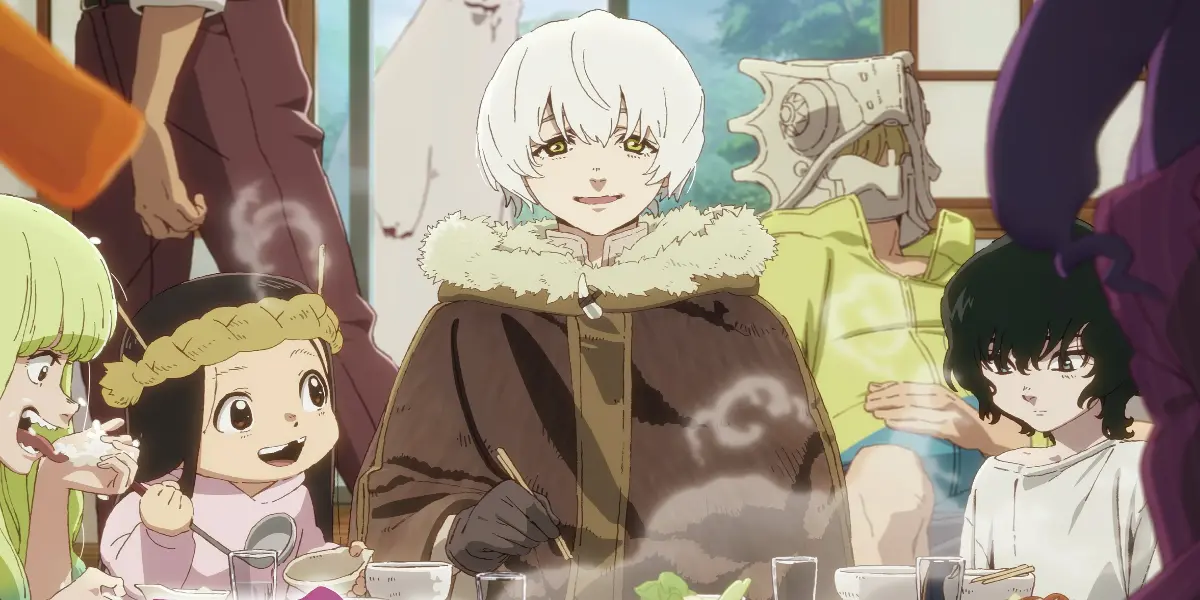
The protagonist, eventually named Fushi, spends the series traveling the world, meeting incredible people who teach him how to eat, speak, and feel. The horrific catch is that Fushi cannot die, but everyone he loves can. The anime forces the audience into a continuous cycle of profound attachment followed by devastating grief. You watch incredible characters with deep aspirations suffer and die, only for Fushi to absorb their forms and carry their memories forward.
This is not a show you can binge-watch easily. The pain of watching Fushi slowly comprehend the concept of mortality and the agonizing realization that he will outlive every friend he ever makes is deeply traumatic. It is a beautiful, philosophical exploration of life, but it demands an incredibly heavy emotional toll from its viewers.
Wolf Children
Directed by Mamoru Hosoda, Wolf Children is a cinematic masterpiece that will destroy anyone who has ever thought about the sacrifices their parents made for them. The story follows Hana, a young woman who falls in love with a werewolf. When he tragically dies in a sudden accident, Hana is left entirely alone to raise their two half-wolf children, Ame and Yuki, in a society that would dissect them if their secret was ever discovered.
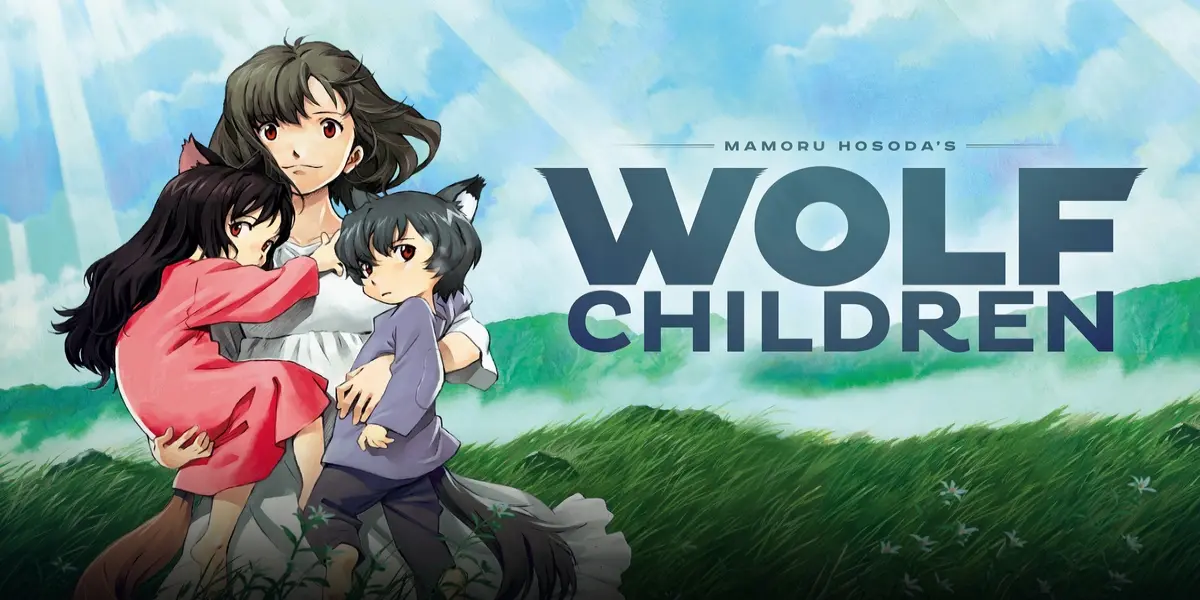
The film meticulously documents the crushing, exhaustive reality of single motherhood. Hana drops out of college, sacrifices her entire social life, and moves to a dilapidated house in the remote countryside just to keep her children safe. She works her hands to the bone farming the land, constantly smiling through her exhaustion so her children never have to feel her fear. The love she displays is so selfless that it actually physically hurts to watch.
The true heartbreak of the film occurs in the final act, as Ame and Yuki must choose whether they want to live as humans or wolves. The pain of watching a mother realize that her children have grown up, and that she must step back and let them run into the dangerous, unforgiving wild on their own, is a universal tear-jerker. It is an achingly beautiful tribute to maternal love.
Maquia: When the Promised Flower Blooms
Maquia takes the themes of motherhood found in Wolf Children and dials the tragedy up to an unfathomable level by introducing the curse of immortality. The Iorph are a mystical race of weavers who stop aging in their mid-teens and live for centuries. When their peaceful village is slaughtered by an invading army seeking the secret to eternal life, a gentle Iorph girl named Maquia manages to escape, only to find an orphaned human baby clutched in the arms of its dead mother.
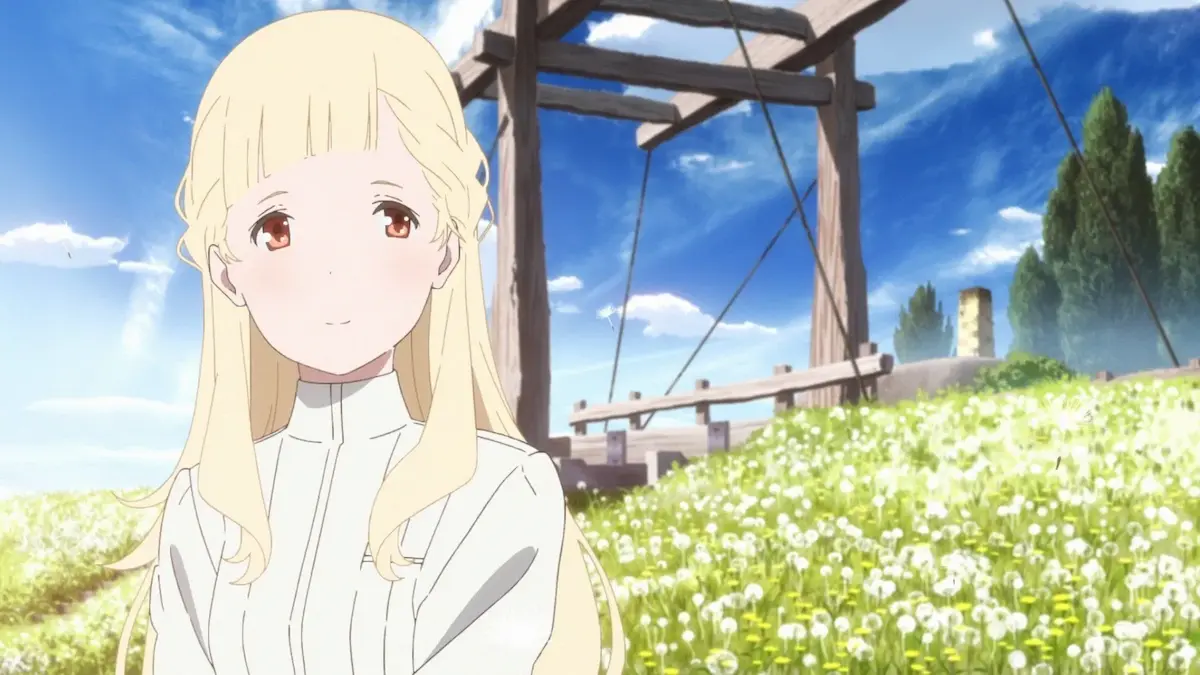
Despite being warned that loving a human will lead to ultimate loneliness, Maquia adopts the boy, Ariel, and decides to raise him as her own. The anime brutally fast-forwards through time. While Ariel grows into a rebellious teenager and eventually an adult man, Maquia remains physically trapped in the body of a 15-year-old girl. She is forced to constantly uproot their lives and move to new towns to avoid suspicion, watching the boy she raised slowly outgrow her in both size and age.
The emotional devastation of this film is inescapable. The viewer knows from the very first frame exactly how this story has to end: Maquia will outlive her child. Watching her desperately cling to her maternal bond as Ariel ages into an old man on his deathbed, while she remains perfectly young, is one of the most profoundly heartbreaking sequences ever animated. It is a beautifully animated guarantee of tears.
Violet Evergarden
Produced by Kyoto Animation, Violet Evergarden is arguably the most visually gorgeous anime ever created, but the beauty of its art is matched only by the sheer emotional trauma of its narrative. Violet is a former child soldier, raised purely as an emotionless killing machine for the military. After a brutal battle leaves her with two severed arms (replaced by metal prosthetics) and her commanding officer dead, the war ends, and Violet is discharged into a peaceful society she does not understand.
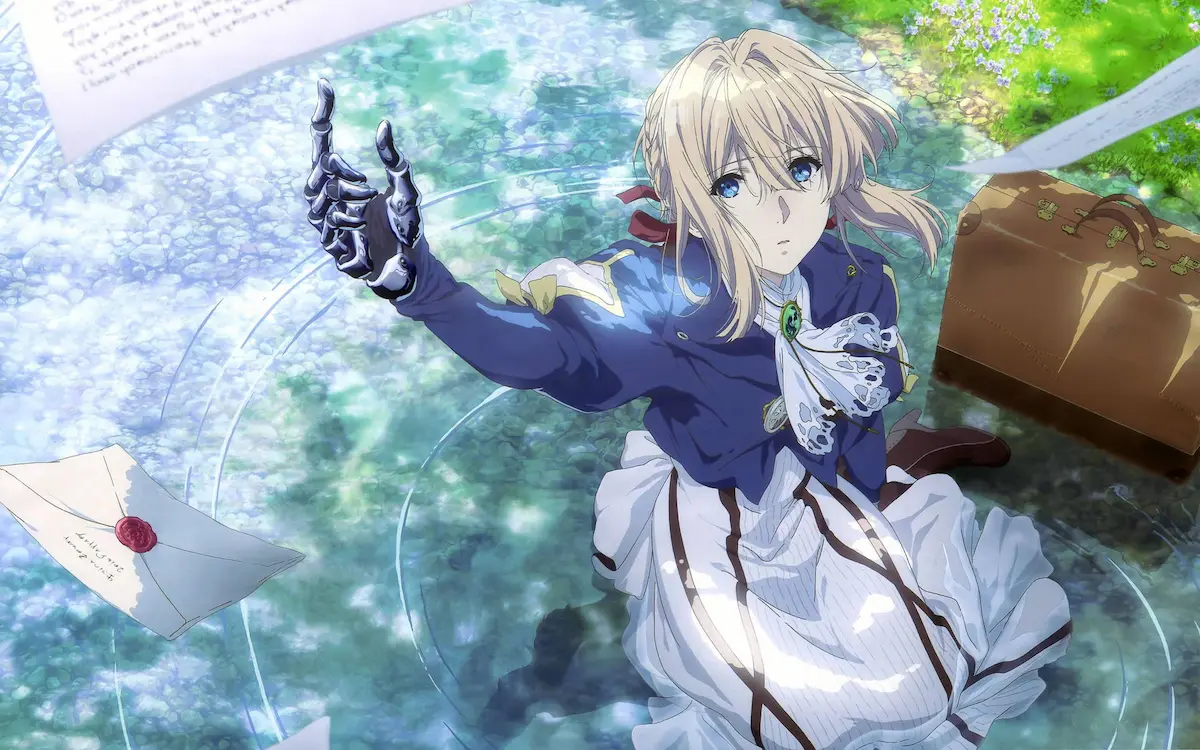
With no concept of empathy, grief, or normal human interaction, Violet takes a job as an “Auto Memory Doll”—a ghostwriter who types letters for people who cannot write or adequately express their feelings. The anime is fiercely episodic, with each client dealing with their own profound tragedy: a grieving mother, a dying soldier, or an author trying to finish a script after the death of his daughter. Through writing their letters, Violet is forced to confront what it means to feel.
The tragedy peaks when Violet finally comprehends the atrocities she committed during the war and the true meaning of survivor’s guilt. Her desperate struggle to understand if she “deserves” to live a normal life after taking so many others is completely agonizing. Episode 10, in particular, is infamous in the anime community as an episode that is mathematically impossible to watch without violently sobbing.
Grave of the Fireflies
There is no debate. Directed by Isao Takahata under Studio Ghibli, Grave of the Fireflies is the saddest anime ever made, and frequently cited as one of the most depressing films in the history of cinema. Set during the final months of World War II, the film follows Seita, a teenage boy, and his four-year-old sister, Setsuko. After an American firebombing destroys their city and burns their mother alive, the two children are left entirely orphaned and homeless.
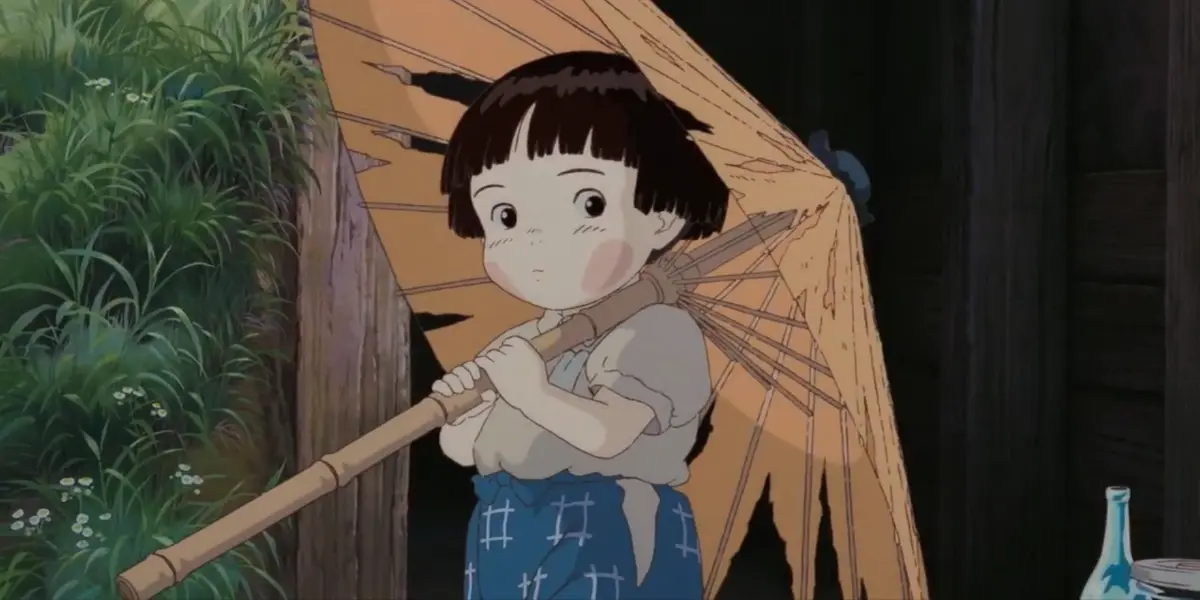
There is no fantasy element, no magical savior, and no hope. The horror of this film is purely historical. You are forced to watch two innocent children slowly, agonizingly starve to death over the course of 90 minutes. Seita’s desperate attempts to keep his little sister distracted with a tin of fruit drops, while her health visibly degrades from malnutrition and disease, is a level of psychological torture that permanently scars the viewer.
What makes the film a masterpiece is its brutal critique of wartime pride and societal apathy. The children do not die because of the bombs; they die because the desperate, starving adults around them refuse to help. It strips away all the glory and heroism of war, leaving only the rotting corpses of children in its wake. Grave of the Fireflies is a masterpiece that everyone should watch exactly once, because no human heart can withstand watching it a second time.
Dry Your Eyes
Anime possesses an unparalleled ability to bypass our emotional defenses. While romantic tragedies focus on the pain of a broken heart, the anime on this list target the soul. Masterpieces like Grave of the Fireflies and Violet Evergarden remind us of the fragility of human life, the agonizing weight of grief, and the incredible resilience required to keep moving forward.
If you need to cleanse your palate with something a little less devastating, head over to our Smash or Pass global arcade and vote on your favorite characters. Need a different kind of adrenaline? Check out our list of the Top 10 Psychological Anime for high-stakes mind games.
Which of these anime completely broke you?
Frequently Asked Questions
What is the saddest anime without romance?
Is Violet Evergarden a romance anime?
Why is Angel Beats considered a sad anime if it has so much comedy?
Does March Comes in Like a Lion have a sad ending?
What makes To Your Eternity so emotionally devastating?
Rank Your Favorites
Take a break and play our interactive Smash or Pass games. Vote on your favorite anime characters, game characters, and idols to shape the global tier lists.

Join the Discussion (0)