𝓢𝓜𝓐𝓢𝓗 𝓢𝓮𝓷𝓹𝓪𝓲
Top 10 Anime With the Best Endings That Stayed With Fans Forever
By Smash Senpai • Updated: Feb 2026 • 8 min read
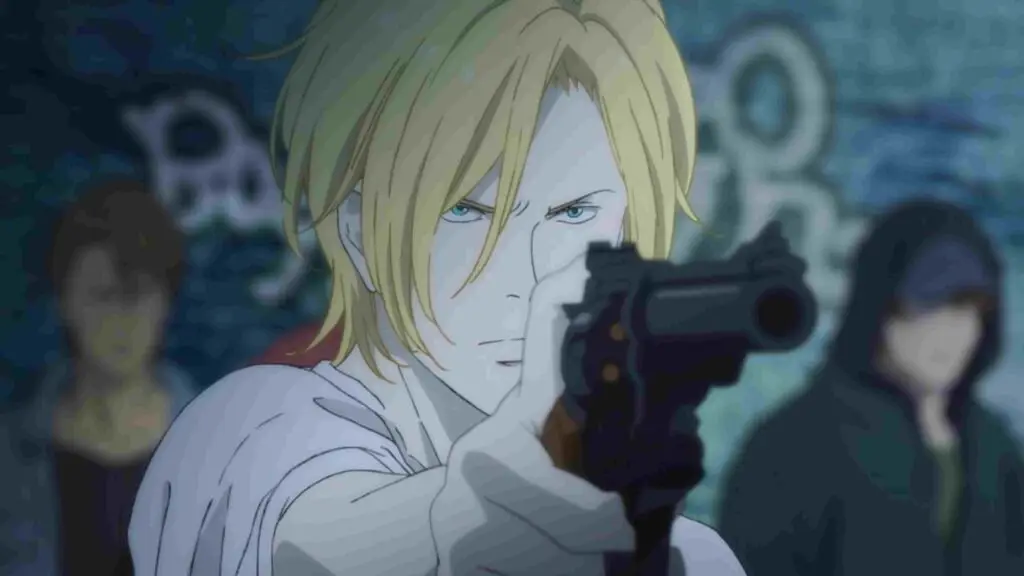
A great anime ending does more than conclude a story. It leaves a feeling — satisfaction, sadness, relief, or quiet reflection — that stays long after the final episode ends.
While many anime struggle to stick the landing, a rare few manage to deliver endings that feel earned, emotionally powerful, and impossible to forget. These finales don’t rely on shock alone — they provide closure, meaning, and lasting impact.
Some endings resolve years of character growth. Others leave viewers staring at the screen in silence, processing what they just experienced. In every case, the final moments redefine the entire journey.
This list highlights the Top 10 Anime With the Best Endings — stories that ended at the right moment, stayed true to their themes, and left fans thinking about them long after the credits rolled.
sponsered
#10 Planetarian: The Reverie of a Little Planet

Planetarian delivers one of the quietest yet most heartbreaking endings in anime. Set in a post-apocalyptic world, the story focuses not on action or survival, but on hope — even when humanity has already failed itself.
Yumemi, an abandoned robot programmed to serve humans, represents innocence in a broken world. Despite being surrounded by ruin, she never loses her purpose or optimism. Her belief in humanity contrasts sharply with the cynicism of the Junker who meets her.
The ending is devastating precisely because it is gentle. There are no dramatic twists or grand battles. Instead, the story concludes with quiet acceptance, memory, and legacy. Yumemi fulfills her role even when no one remains to reward her.
Planetarian’s ending lingers because it asks a painful question: what does it mean to be human? In a world where humans abandoned compassion, a machine preserves it. The final moments are short, but emotionally overwhelming — proving that even the smallest stories can leave the deepest scars.
- Episode count: 5 (OVA)
- Genre: Sci-Fi, Drama
- Known for: Minimal dialogue, maximum emotion
- Core theme: Hope, memory, and humanity
#9 Akudama Drive
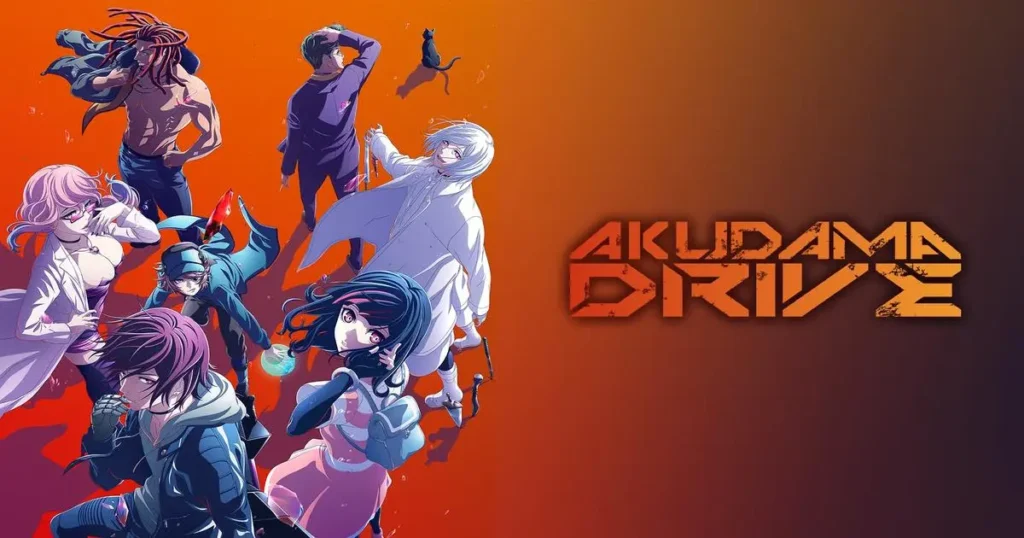
Akudama Drive delivers a wild, stylish ending that perfectly matches its cyberpunk chaos. What begins as a fast-paced crime anime slowly transforms into a powerful statement about identity, freedom, and how society labels people as disposable. By the final episodes, the line between criminal and hero is completely erased.
The brilliance of Akudama Drive’s ending lies in its escalation. Each character embraces who they truly are, not the roles forced upon them by the Kansai system. Even characters who begin as selfish or shallow find purpose through rebellion. Their choices feel earned, not romanticized.
The Swindler’s transformation is the emotional core of the finale. She starts as an ordinary girl trying to survive, but ends as a symbol of resistance against an inhuman system. Her final actions are tragic yet empowering, proving that even small people can leave massive impacts.
Akudama Drive ends in destruction, but also hope. The world doesn’t magically improve, yet the system is shaken. The ending sticks with viewers because it refuses comfort — freedom is earned through sacrifice, and rebellion always comes at a cost.
- Episode count: 12
- Genre: Cyberpunk, Action, Sci-Fi
- Known for: Stylish violence and social commentary
- Core theme: Identity, rebellion, and freedom
sponserd
#8 Katanagatari
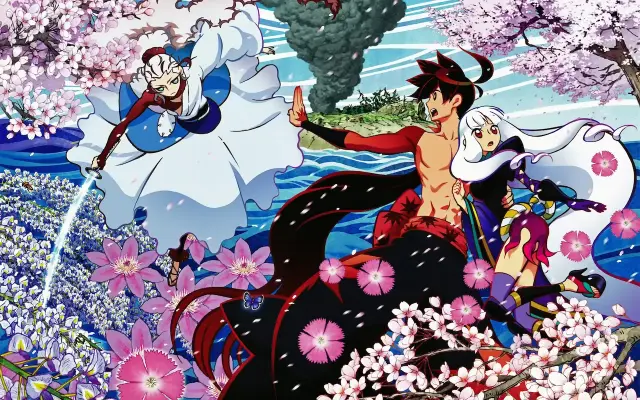
Katanagatari’s ending is quietly devastating, built not on shock value but on emotional inevitability. The series presents itself as a weapon-collecting adventure, yet beneath the action lies a deeply personal story about love, purpose, and loss.
Shichika begins the journey as an empty vessel — a warrior who exists only to follow orders. Togame gives him direction, curiosity, and eventually, something far more dangerous: emotional attachment. Their bond grows naturally through conversation, trust, and shared experiences rather than forced romance.
The ending strips away the illusion of heroism. Victory comes at a cost that cannot be undone. Shichika fulfills his role perfectly, yet in doing so loses the very thing that gave his life meaning. The final moments are restrained, melancholic, and painfully human.
What makes Katanagatari’s ending exceptional is its commitment to consequence. There is no false happiness or sudden reversal. The story ends exactly as it promised — with truth, loss, and growth. It’s an ending that hurts, but feels undeniably honest.
- Episode count: 12
- Genre: Action, Romance, Adventure
- Known for: Minimalist storytelling and emotional payoff
- Core theme: Love, purpose, and irreversible choices
#7 Gintama: The Very Final
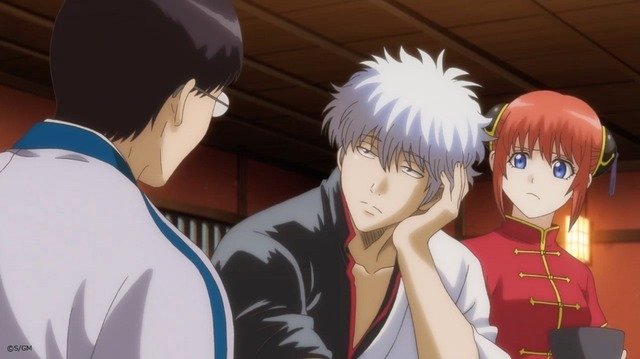
The ending of Gintama is a magnificent farewell to an era, built on fifteen years of laughter, tears, and absolute chaos. The Very Final is more than just a movie; it is a love letter to a “found family” that refused to give up on each other. It balances the series’ trademark fourth-wall-breaking humor with a level of high-stakes drama that only Gintama can pull off.
Gintoki Sakata begins the story as a man running away from a bloody past, hiding behind a mask of laziness and sugar-cravings. Through the Yorozuya, he finds a new reason to hold a sword—not for war, but to protect the small, everyday lives of his friends. The finale forces him to face his original “teacher” one last time, closing a circle of grief and guilt that has haunted him since the very first episode.
The ending strips away the jokes to reveal the beating heart of the series. While the action is spectacular, the real power lies in the quiet moments between Gintoki, Shinpachi, and Kagura. It provides closure for every major character, ensuring that no one is left behind. It is a finale that acknowledges that while time moves on and people change, the bonds we form are immortal.
What makes Gintama’s ending exceptional is its perfect sincerity. It manages to be a grand epic and a personal “goodbye” all at once. There is no better way to end such a legendary journey than with the Yorozuya doing what they do best: walking together into an uncertain but bright future. It’s an ending that makes you laugh through your tears, leaving you with a sense of total fulfillment.
Runtime: 104 Minutes (Movie)
Genre: Action, Comedy, Sci-Fi
Known for: Perfectly balancing meta-humor with deep emotional stakes
Core theme: Letting go of the past and the strength of found family
sponserd
#6 Assassination Classroom
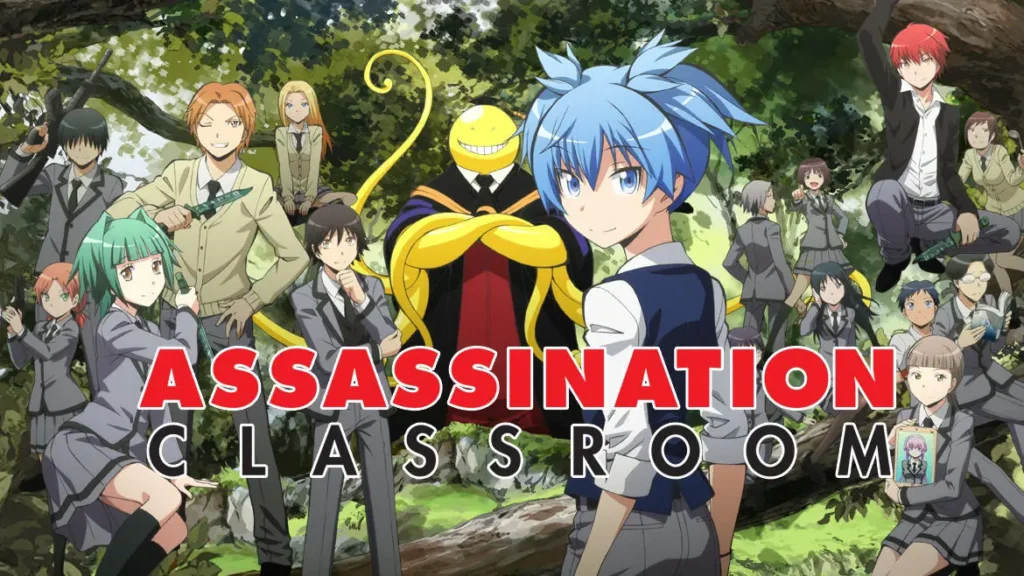
Assassination Classroom delivers one of the most emotionally devastating yet meaningful endings in anime. What begins as a bizarre comedy about students tasked with killing their teacher slowly transforms into a heartfelt story about growth, guidance, and loss. By the time the final arc arrives, viewers realize that the assassination was never the real goal.
Koro-sensei is more than a teacher — he is the emotional foundation of Class 3-E. He doesn’t just teach academics or combat skills; he teaches his students self-worth, confidence, and how to face failure. Every lesson is tailored to help them survive in a world that once discarded them.
The ending works because it is inevitable yet painful. There is no loophole, no miracle escape. Koro-sensei accepts his fate with pride, ensuring that his students are strong enough to move forward without him. The final roll call scene is quiet, personal, and heartbreaking — a farewell earned through trust and love.
What makes Assassination Classroom unforgettable is how hopeful it remains. The story doesn’t end with despair. It ends with proof that a great teacher never truly leaves — their influence lives on in the lives they changed. Few anime endings balance grief and gratitude this perfectly.
- Episode count: 47
- Genre: Action, Comedy, Drama
- Known for: One of the most emotional anime finales
- Core theme: Growth through guidance and loss
#5 Attack on Titan
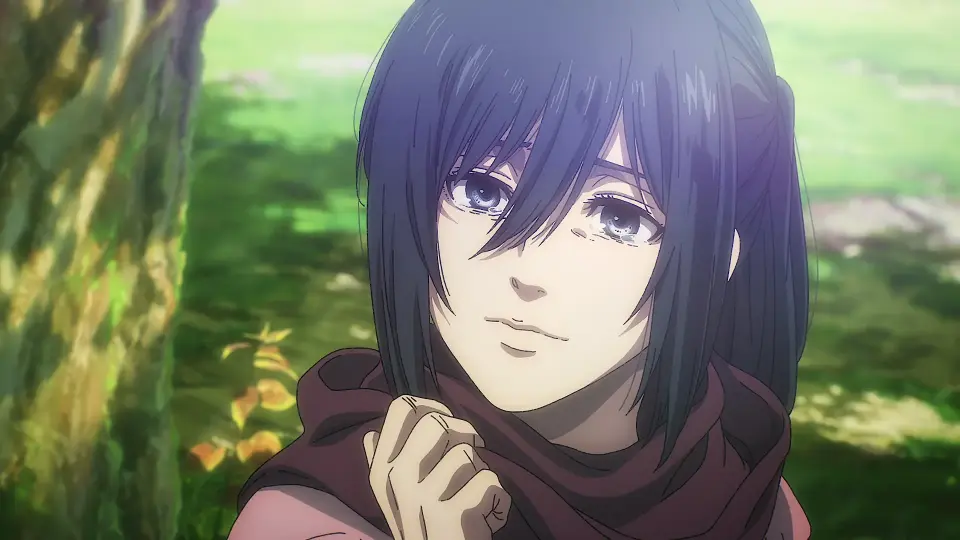
Attack on Titan’s ending is one of the most debated conclusions in anime history. Regardless of opinion, its impact is undeniable. The series evolves from survival horror into a massive philosophical exploration of freedom, war, and human nature.
Eren Yeager’s final path challenges viewers to confront uncomfortable truths. He is neither hero nor pure villain — he is the product of endless conflict. The ending forces audiences to question whether freedom achieved through destruction can ever be justified.
Rather than glorifying violence, the finale exposes its consequences. Every victory leaves scars, and no side escapes guilt. The cycle of hatred remains, emphasizing that war never truly ends — it only pauses.
Attack on Titan’s ending stays with fans because it refuses simplicity. It does not offer closure, only reflection. Love, sacrifice, and freedom collide in a conclusion that mirrors reality: messy, painful, and unresolved. Few anime dare to end this boldly.
- Episode count: 87+
- Genre: Action, Drama, Dark Fantasy
- Known for: Moral complexity and worldbuilding
- Core theme: Freedom, war, and consequence
sponserd
#4 86 Eighty-Six
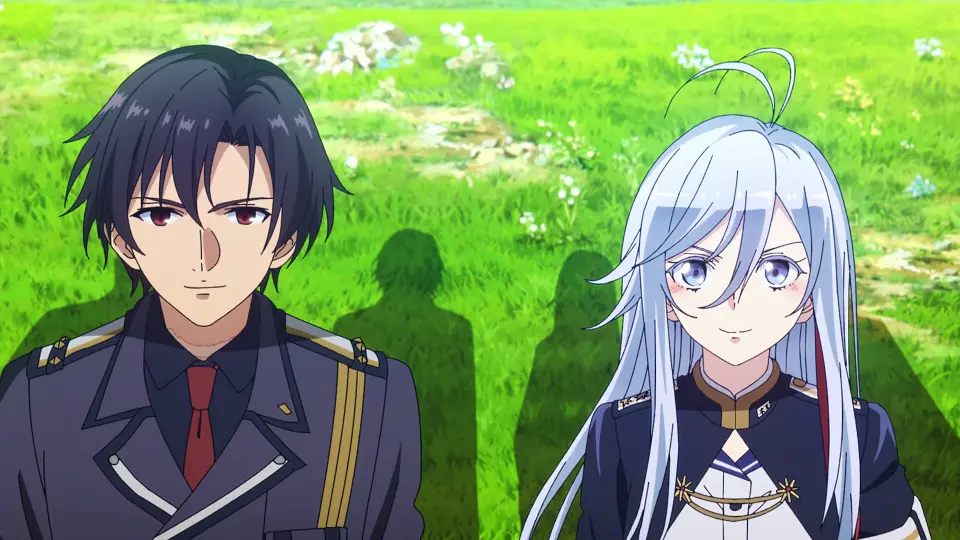
The ending of 86 Eighty-Six is a masterclass in emotional payoff, built on the slow, agonizing journey of characters who were never supposed to survive. For two seasons, the series creates a wall between its two protagonists—one living in a world of privilege, the other in a wasteland of war. The finale isn’t about a grand explosion; it’s about the moment that wall finally crumbles.
Shin spends the entire series as “The Reaper,” a soldier who carries the names of his fallen comrades because he expects to join them any second. He is a character defined by the absence of a future. Lena, on the other hand, is defined by her struggle to prove that the lives of the “86” actually matter. Their connection grows through voices and shared ideals, making their physical distance feel like a physical ache for the viewer.
The ending is visually stunning and emotionally overwhelming. It moves beyond the brutality of the battlefield to find a moment of pure, human connection. When the two finally meet face-to-face, it isn’t just a reunion—it’s the moment Shin finally realizes he is allowed to live for himself. The use of color, music, and silence in these final minutes creates a sense of relief that feels deeply earned.
What makes 86 Eighty-Six’s ending exceptional is that it rewards the audience’s patience. It doesn’t leave you with a cliffhanger or a hollow victory. It delivers a conclusion that feels like a long-awaited breath of fresh air after a suffocating storm. It’s an ending that celebrates survival, hope, and the beauty of a promised future.
Episode count: 23
Genre: Sci-Fi, Mecha, Drama
Known for: Breathtaking cinematography and emotional reunions
Core theme: Identity, survival, and the weight of living for the fallen
#3 Fullmetal Alchemist: Brotherhood
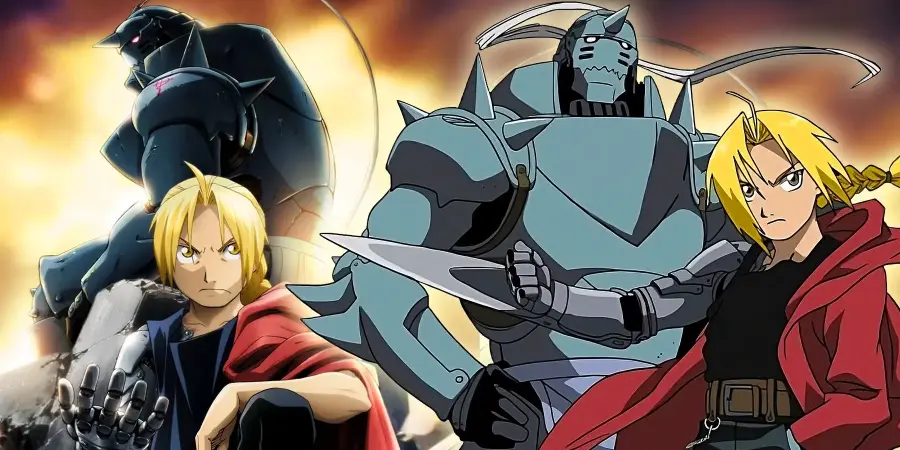
Fullmetal Alchemist: Brotherhood delivers one of the most complete and emotionally satisfying endings in anime history. Unlike many long-running series, it ties every major character arc together without rushing or sacrificing emotional payoff.
At its core, FMAB is a story about consequence. Every action carries weight, and every mistake demands accountability. The final arc honors this philosophy, resolving the central conflict not through overwhelming power, but through human connection and sacrifice.
Edward’s final choice defines the series. He gives up alchemy — the very thing that shaped his identity — in order to reclaim what truly mattered. It’s not a flashy victory. It’s a mature one. The ending reinforces the idea that growth sometimes means letting go.
What makes FMAB’s ending linger is balance. It’s hopeful without being unrealistic, emotional without being manipulative. Every surviving character earns their future, and every loss is respected. Brotherhood doesn’t just end — it completes its promise, leaving fans with a rare sense of genuine closure.
- Episode count: 64
- Genre: Action, Fantasy, Drama
- Known for: Perfectly executed long-form conclusion
- Core theme: Growth through sacrifice and humanity
#2 Cowboy Bebop
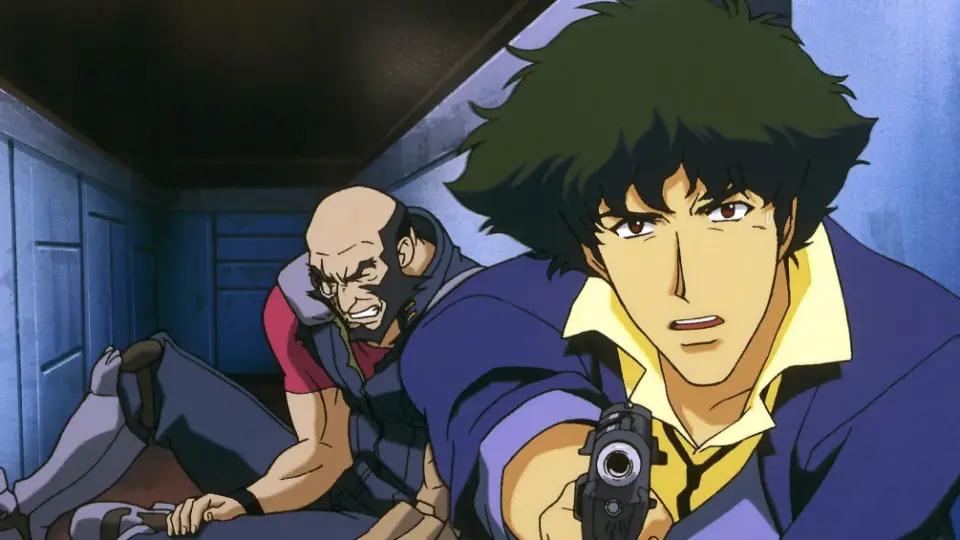
Cowboy Bebop’s ending is legendary not because it explains everything, but because it doesn’t. Instead of closure through answers, it delivers closure through emotion. The final episodes feel less like an ending and more like an inevitable conclusion to a life already lived.
Spike Spiegel spends the entire series running from his past. Every bounty, every joke, every moment of detachment is a distraction from unresolved pain. By the final arc, it becomes clear that Spike isn’t chasing survival — he’s chasing meaning.
The confrontation with Vicious is quiet, brutal, and deeply personal. There’s no triumphant music or dramatic victory. Spike walks forward knowing exactly what awaits him. His final smile isn’t heroic — it’s acceptance.
Cowboy Bebop’s ending stays with fans because it feels honest. Life doesn’t always give happy conclusions. Sometimes it gives resolution through choice. “You’re gonna carry that weight” isn’t just a line — it’s a statement about memory, loss, and moving on. Few anime endings feel this mature, restrained, and timeless.
- Episode count: 26
- Genre: Sci-Fi, Drama, Action
- Known for: Iconic final episode and quote
- Core theme: Acceptance and existential closure
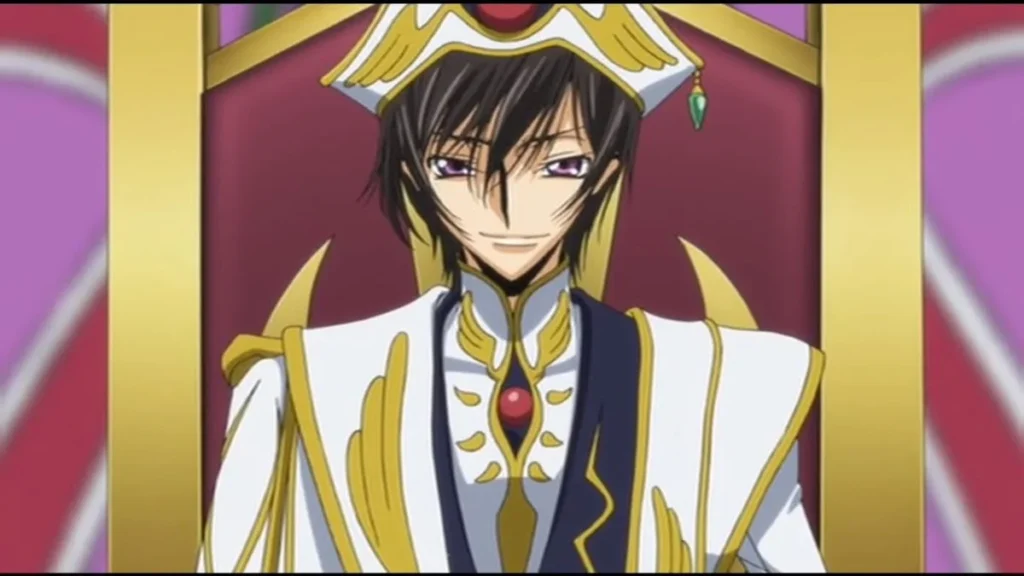
#1 Code Geass
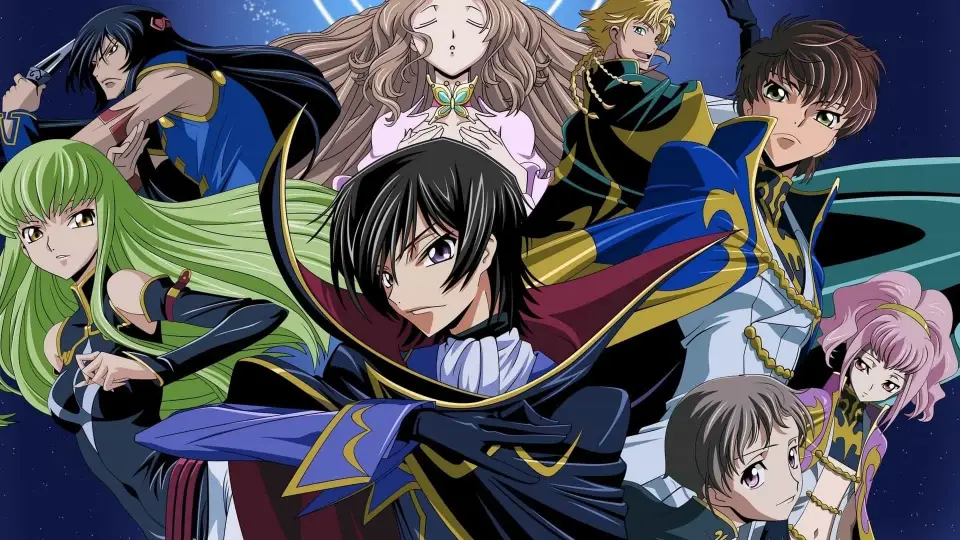
Code Geass is almost universally regarded as having one of the greatest anime endings of all time. What makes its finale so powerful isn’t just the shock or spectacle — it’s how perfectly it recontextualizes everything that came before it. The ending doesn’t erase Lelouch’s sins. Instead, it gives them meaning.
Throughout the series, Lelouch walks a thin line between revolutionary and tyrant. He lies, manipulates, sacrifices allies, and embraces cruelty in the name of a better world. By the time the final arc begins, viewers are forced to question whether he has gone too far — or whether he was always planning something greater.
The Zero Requiem is what elevates Code Geass into legend. Lelouch chooses to become the world’s greatest villain, uniting humanity through hatred directed solely at him. His death is not a punishment or a redemption — it’s a calculated act of responsibility. Peace is achieved not through victory, but through sacrifice.
What makes the ending unforgettable is its emotional clarity. Every character’s role feels complete. The final moments are quiet, tragic, and deeply satisfying. Code Geass ends with certainty — a rare achievement that leaves fans arguing not about what happened, but about how perfect it was.
- Episode count: 50
- Genre: Mecha, Psychological, Drama
- Known for: One of anime’s most iconic finales
- Core theme: Sacrifice for lasting peace
A perfect anime ending is a rare achievement that justifies every second of the journey. It is the moment where the music, themes, and character growth finally align to leave a lasting impression on the audience. Whether it is a hard-earned victory, a tragic sacrifice, or a quiet moment of reflection, these finales prove that a story’s ending is just as important as its beginning.
For those looking to discover high-quality stories that often fly under the radar, the Top 10 Underrated Anime guide highlights must-watch series that deserve more recognition from the community. If time is a factor, or you’re looking for a masterpiece that doesn’t require a long-term commitment, the breakdown of the Top 10 Short Anime You Can Finish in a Weekend is the perfect place to find your next obsession. These series remain pillars of the medium, reminding every viewer that while the credits eventually roll, a great story never truly leaves you.
What’s your verdict? Is a perfect ending enough to make a series a masterpiece, or can a bad finale ruin the entire experience? Drop a comment below and let’s debate!

Frequently Asked Questions (FAQ)
Which anime has the best ending of all time?
While subjective, Code Geass is widely considered to have the best ending in anime history. The “Zero Requiem” is hailed by fans and critics alike for its brilliant narrative twist, emotional weight, and the way it perfectly concludes Lelouch vi Britannia’s complex character arc.
Is the ending of 86 Eighty-Six satisfying?
Yes, the ending of 86 Eighty-Six (Season 2) is considered one of the most satisfying finales in modern anime. It is praised for its breathtaking cinematography and the long-awaited emotional payoff between the main characters, Shin and Lena, providing a sense of closure that is rare in the mecha genre.
IWhy is the Cowboy Bebop ending so famous?
The ending of Cowboy Bebop is iconic for its “cool” yet melancholic tone. It successfully captures the series’ core themes of running from the past and the inevitability of fate. Spike Spiegel’s final “Bang” remains one of the most discussed and legendary moments in animation history.
Does Akudama Drive have a good ending?
Akudama Drive is known for having a high-stakes, cinematic ending that stays true to its cyberpunk roots. Unlike many original anime that struggle to wrap up their plots, it delivers a definitive and thematic conclusion that gives meaning to the characters’ rebellion against society.
How does the Gintama: The Very Final movie end the series?
Gintama: The Very Final serves as the definitive end to the 15-year-long franchise. It balances the show’s signature meta-humor with a high-stakes emotional battle, ensuring every member of the Yorozuya and the supporting cast receives proper closure and a heartfelt goodbye.
Check out more masterpieces in our [related articles] or over on [MyAnimeList].
Enjoyed this article?
Explore more anime lists on SMASH Senpai — psychological, emotional, dark, and binge-worthy.
Written by Smash Senpai
Anime • Dark Stories • Psychological