𝓢𝓜𝓐𝓢𝓗 𝓢𝓮𝓷𝓹𝓪𝓲
Top 10 Most Disturbing Anime That Will Haunt You Long After Watching
By Smash Senpai • Updated: Feb 2026 • 8 min read
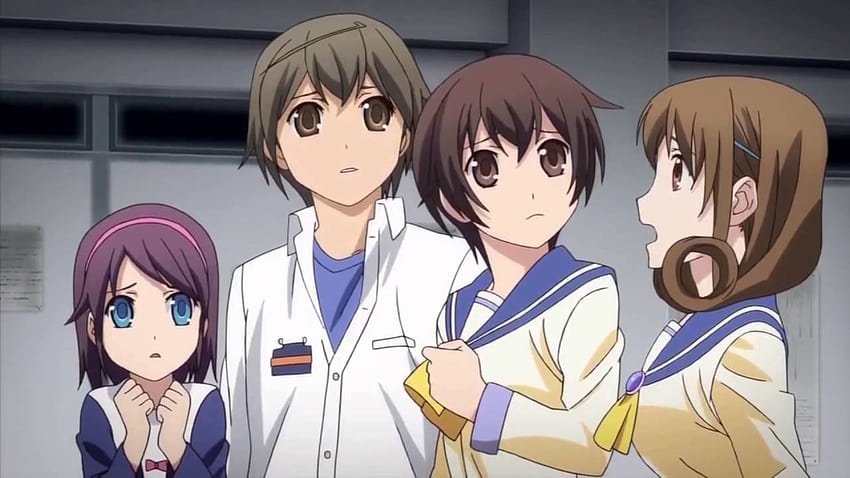
Some anime don’t scare you. They don’t rely on cheap jump scares or mindless shock. Instead, they slowly sink into your thoughts and refuse to leave.
These are the kind of series that make you uncomfortable — not because they’re loud or flashy, but because of how twisted or emotionally exhausting they feel. This list isn’t just about gore for the sake of it; it’s about psychological dread and the kind of trauma that lingers long after the final episode ends.
From underground experimental films to psychological nightmares, I’ve ranked these based on how much they actually messed with my head. These aren’t your typical mainstream favorites—some are underrated, and some are honestly difficult to recommend to anyone who wants to sleep at night.
Are these characters too broken to handle, or is there something strangely magnetic about the darkness? Check out my rankings below.
These are the Top 10 Most Disturbing Anime that will haunt you.
sponsered
#10 Happy Sugar Life
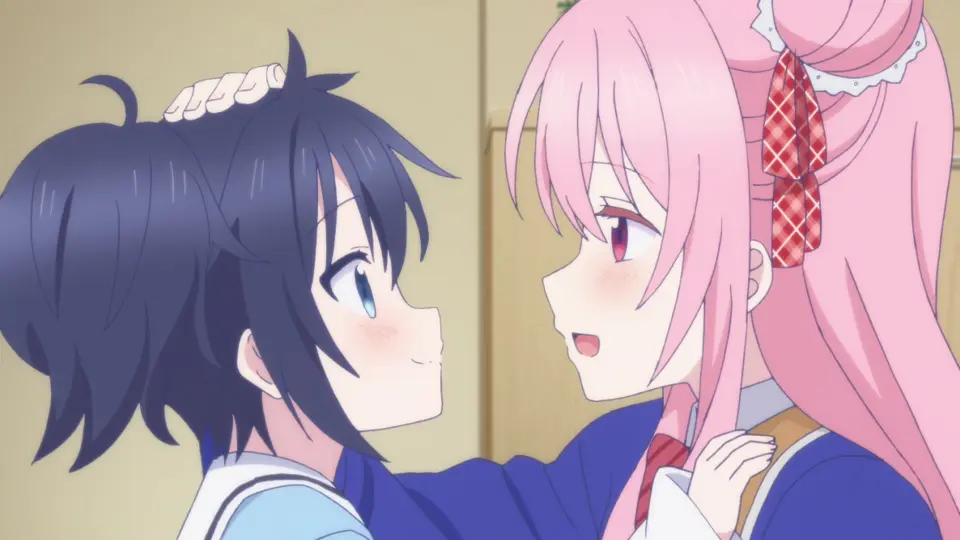
Happy Sugar Life is disturbing because it hides its horror behind a cheerful, colorful presentation. On the surface, it looks cute and harmless — but beneath that sweetness lies obsession, manipulation, and emotional instability.
The anime centers around a warped definition of love. Characters justify extreme actions in the name of happiness, convincing themselves that cruelty is acceptable as long as it protects what they care about.
What makes Happy Sugar Life especially unsettling is how self-aware its characters are. They understand that their behavior is wrong, yet continue anyway, clinging to the belief that their version of love is pure.
The contrast between its soft visuals and dark themes intensifies the discomfort. Bright colors, innocent music, and gentle character designs clash violently with the psychological damage being shown.
Happy Sugar Life is disturbing because it questions where love ends and obsession begins. It leaves the viewer unsettled, forcing them to confront how easily affection can twist into something dangerous.
- Episode count: 12
- Genre: Psychological, Thriller, Horror
- Best for: Viewers who enjoy twisted character studies
- Core theme: Obsession disguised as love
#9 Kaiba
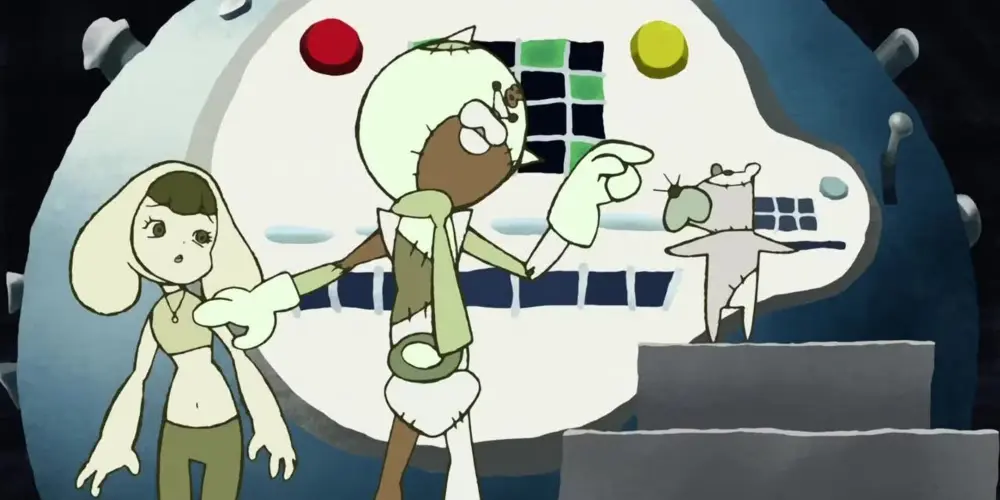
Kaiba is a psychological sci-fi masterpiece that proves art style can be the ultimate deception. Set in a universe where memories can be digitized, stored, and even traded like currency, it explores a terrifying reality where the body is nothing more than a disposable shell. If you have the money, you can live forever in a beautiful new body; if you’re poor, your memories are wiped and your physical form is sold to the highest bidder.
The disturbing nature of Kaiba comes from its deep sense of identity loss. As the main character travels through different worlds, you witness families tearing themselves apart for a chance at a better body and people losing their souls to the memory-trading black market. It’s an emotional meat-grinder that forces you to ask: if your memories can be edited and your body can be swapped, what is actually left of “you”?
Despite its soft, round character designs, the show features moments of shocking visceral horror. Characters are hollowed out, minds are corrupted, and the sheer nihilism of the world-building is enough to leave you feeling cold. It is a beautiful, tragic, and deeply unsettling exploration of the dark side of immortality.
- Episode count: 12
- Genre: Psychological, Sci-Fi, Experimental
- Best for: Viewers who enjoy subtle, unsettling storytelling
- Core theme: Identity loss and emotional detachment
sponserd
#8 Hell Target
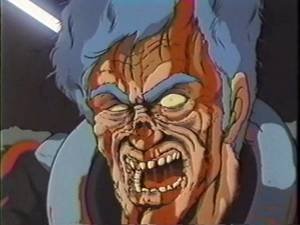
Hell Target (1987) is a haunting relic of the OVA era that feels like it was unearthed from a cursed tomb. While most sci-fi horror from that decade tried to copy Alien, Hell Target takes a much more surreal and psychologically damaging route. The story follows a specialized rescue team sent to a desolate planet known as Inferno II to find out what happened to a missing research crew. What they discover isn’t just a monster, but a sentient, malevolent force that can manifest their deepest, most shameful traumas into physical reality.
The reason this anime is so disturbing isn’t just the gore—though there is plenty of it—but the “unreliable reality” it creates. The animation has a grainy, nihilistic look that makes every scene feel damp and claustrophobic. One of the most unsettling moments involves a character being forced to relive a past tragedy while their body literally begins to break down in the present. It captures a sense of “cosmic dread” where the universe itself feels like a predator. In an age where horror is often predictable, Hell Target feels like a fever dream that follows its own twisted logic. It’s a 1980s body-horror masterpiece that explores the idea that even in the vacuum of space, your own memories are the most dangerous things you can encounter. It is a slow-burn descent into a madness that never offers a happy ending, leaving the viewer with a lingering sense of cold, empty despair.
Episode Count: 1 (OVA Movie)
Genre: Sci-Fi, Horror, Retro
Best for: Fans of 80s cosmic horror and “Event Horizon” vibes.
Core Theme: Psychological isolation and the manifestation of trauma.
#7 The Fruit of Grisaia
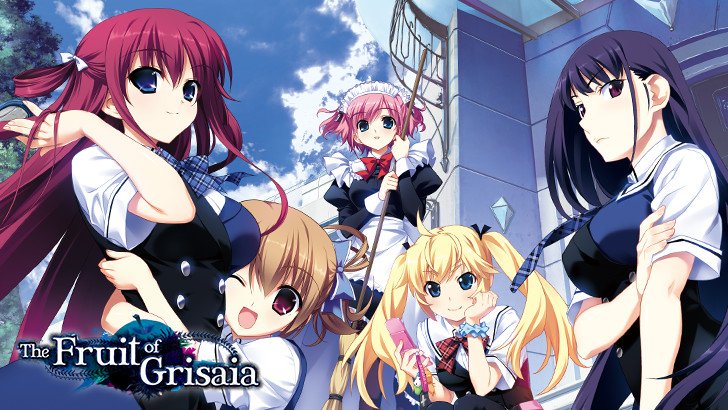
On the surface, The Fruit of Grisaia looks like your typical “school harem” anime, but that is a dangerous trap. As the story unfolds, it reveals itself to be a collection of some of the most traumatizing backstories ever animated. Each girl at Mihama Academy isn’t there because she’s a “waifu”—she’s there because she has suffered through unspeakable tragedy, from psychological abuse to witnessing cannibalism.
The most disturbing arc involves the “Angelic Howl” incident, which depicts a group of schoolgirls stranded in the wilderness after a bus crash. Watching the slow descent into starvation, madness, and eventual murder is a harrowing experience. It strips away the “cute girl” tropes and replaces them with the cold, hard reality of human survival instincts and mental breakdown.
What makes Grisaia stand out is how it forces the viewer to confront “real-world” horrors. It deals with themes of PTSD, extreme abandonment, and the long-term effects of trauma. It is an emotionally heavy series that uses its bright school setting to mask a darkness that is genuinely difficult to process.
- Episode count: 23+
- Genre: Psychological, Drama, Thriller
- Best for: Viewers who prefer emotional and mental horror
- Core theme: Trauma, survival, and emotional scars
sponserd
#6 Corpse Party
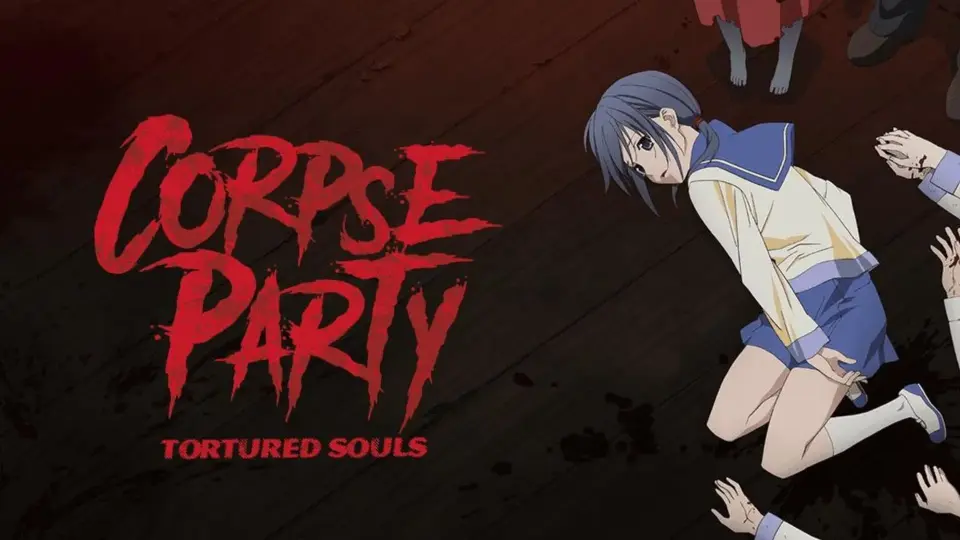
Corpse Party is not just disturbing — it is relentlessly cruel. From the moment it begins, the anime traps its characters inside a cursed, nightmarish school where death is sudden, painful, and unavoidable. There are no heroic escapes, no comforting explanations, and no mercy.
What makes Corpse Party so unsettling is how personal the horror feels. The victims aren’t warriors or trained fighters — they’re ordinary students forced to experience extreme fear, helplessness, and brutal deaths. The anime doesn’t shy away from showing the consequences of terror, both physical and psychological.
Unlike many horror anime that rely on atmosphere alone, Corpse Party confronts the viewer directly with suffering. Characters break down, lose hope, and are forced to witness the deaths of their friends in horrifying ways. Every escape attempt feels desperate, fragile, and temporary.
The short length of the series works in its favor. There is no filler, no relief, and no time to breathe. Each episode escalates the cruelty, making the experience feel suffocating and emotionally draining.
Corpse Party is disturbing because it offers no comfort. It exists purely to show how fragile life becomes when hope is stripped away completely.
- Episode count: 4
- Genre: Horror, Supernatural, Psychological
- Best for: Extreme horror fans, dark anime enthusiasts
- Core theme: Hopeless survival and psychological trauma
#5 Kemonozume
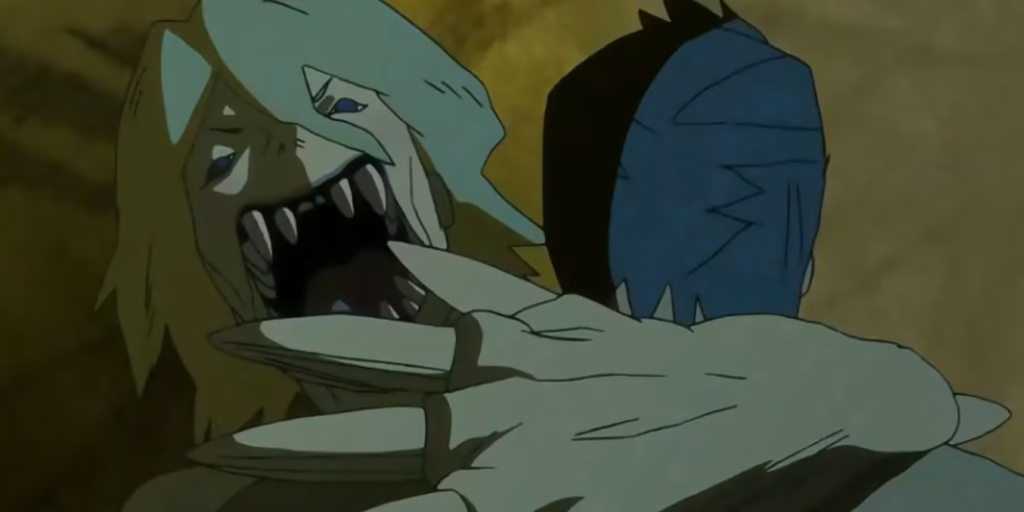
Kemonozume (2006) is a raw, experimental nightmare directed by the legendary Masaaki Yuasa, the mind behind Devilman Crybaby. While many horror anime rely on clean, sharp lines, Kemonozume uses a messy, scratchy, and frantic animation style that makes the horror feel incredibly personal and chaotic. The story revolves around a centuries-old war between a clan of monster hunters, the Kifuuken, and the Shokujinki—flesh-eating creatures that live among humans. The disturbing core of the show is the forbidden romance between Toshihiko, the heir to the hunter clan, and Yuka, a Shokujinki.
What makes this series truly unsettling is how it handles the “Beast Claw” transformations. In this world, the monsters don’t just “change”; they erupt. The transformations are depicted as agonizing biological explosions of muscle and bone. Even more disturbing is the psychological link between sexual arousal and the urge to kill. Yuka and Toshihiko’s relationship is constantly punctuated by the threat of cannibalism; she literally cannot feel intense passion without her body attempting to revert into a mindless, man-eating beast. The series doesn’t shy away from “Gorn”—geysers of blood, ritualistic amputations, and grotesque body mutilations are common. One of the most infamous scenes involves the “Kemonozume” technique itself, which requires a human to surgically graft a monster’s living arm onto their own body to gain power, usually leading to madness. It is a gritty, adult-oriented tragedy that explores the thin line between human love and animalistic hunger, leaving the viewer feeling both exhilarated and deeply uncomfortable.
Episode Count: 13
Genre: Action, Romance, Psychological Horror
Best for: Fans of Devilman Crybaby and raw, adult-themed storytelling.
Core Theme: The battle between human passion and animalistic instinct.
sponserd
#4 Belladonna of Sadness
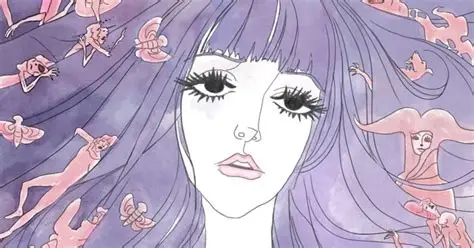
Belladonna of Sadness (1973) is an experimental adult film that feels like a fever dream caught on paper. It tells the story of Jeanne, a village woman who is brutally assaulted on her wedding night and subsequently makes a deal with a phallic devil to gain power and revenge. It is not a traditional anime; it uses shifting watercolor paintings and psychedelic visuals to represent Jeanne’s deteriorating mental state.
This film is profoundly disturbing because of its raw depiction of female trauma and vengeance. It doesn’t use “horror” in the traditional sense; instead, it uses metaphorical, fluid imagery to depict acts of extreme violence and degradation. The lines between beauty and horror are constantly blurred, making the viewer feel like they are witnessing a sacred tragedy they weren’t meant to see.
The soundtrack is haunting, and the “stills-in-motion” animation style creates a lingering sense of unease. It explores the idea that power often comes at the cost of one’s humanity and that revenge is a fire that eventually consumes the victim. It is a visually stunning but emotionally exhausting experience that is definitely not for the faint of heart.
- Runtime: 86 minutes
- Genre: Psychological, Art, Drama
- Best for: Mature viewers and art-house anime fans
- Core theme: Emotional suffering and symbolic expression
#3 Shoujo Tsubaki (Midori)
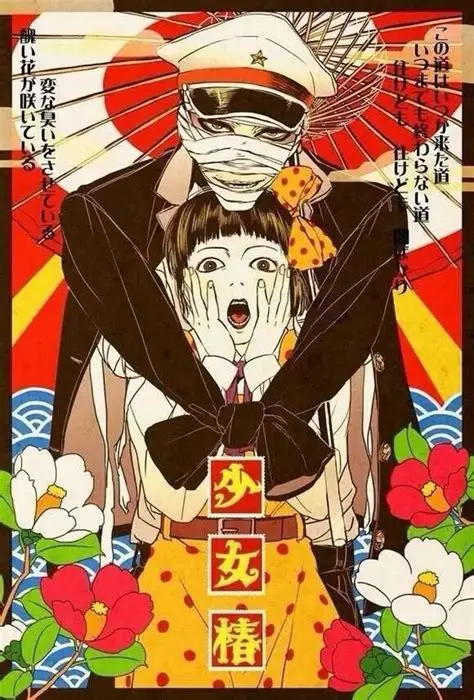
Shoujo Tsubaki, also known as Midori, is one of the most unsettling anime films ever made — not because of shock alone, but because of its complete lack of emotional safety. It is a bleak, cruel portrayal of exploitation and suffering presented without comfort or redemption.
The story follows a young girl who is repeatedly abused, manipulated, and dehumanized by the world around her. The anime does not romanticize her pain or frame it as meaningful growth. Instead, it forces the viewer to witness cruelty as an unavoidable reality.
What makes Shoujo Tsubaki especially disturbing is its presentation. The visuals feel old, raw, and intentionally uncomfortable, enhancing the feeling that you are watching something you were never meant to see.
There is no heroic escape, no moral lesson neatly packaged at the end. The suffering exists simply because the world allows it to. That emotional emptiness is what makes the film so haunting.
Shoujo Tsubaki is not an easy recommendation, but it is unforgettable. It leaves behind a sense of unease that lingers long after the screen goes dark.
- Runtime: 48 minutes
- Genre: Psychological, Experimental, Drama
- Best for: Mature viewers seeking extreme emotional discomfort
- Core theme: Exploitation and emotional cruelty
#2 Midori-ko
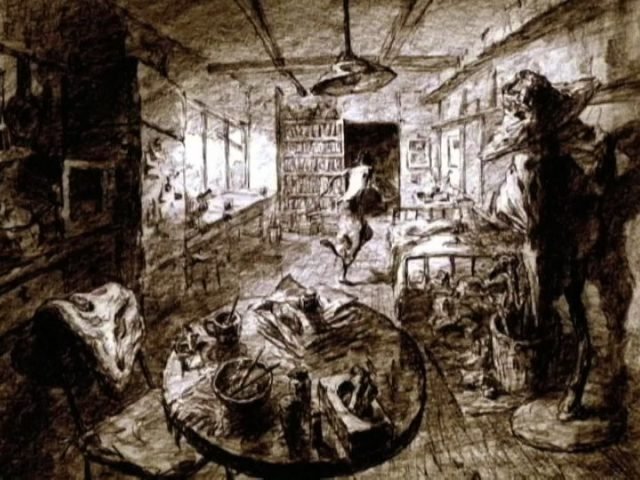
Midori-ko is a legendary piece of independent Japanese animation that defies almost every convention of the medium. It took the creator, Keito Kohara, nearly ten years to complete, and every single frame is hand-drawn with colored pencils, giving the film a gritty, textured look that feels physically “dirty.” Set in a futuristic Tokyo where the city has decayed into a sprawling, lawless slum, the story centers on a young woman who accidentally grows a “meat-vegetable”—a biological hybrid that looks like a small, sentient baby made of food.
The horror of Midori-ko is purely visceral and “vibe-based.” The world is populated by grotesque, starving neighbors who are so desperate for food that they will commit any atrocity to get their hands on the protagonist’s creation. There is a deep, underlying sense of “urban decay” and biological corruption in every scene. The way the characters move and breathe feels oily and unnatural. It is disturbing because it strips away all the “pretty” layers of anime and shows humanity at its most animalistic. There are no supernatural demons here; the monsters are simply starving people who have lost their souls. The film blurs the line between a scientific experiment and a nightmare, forcing the audience to witness a world where even life itself has been reduced to a commodity to be consumed. It is a visually exhausting experience that feels like watching a moving painting of a tragedy, leaving you feeling like you need a shower once the credits roll.
Episode Count: 1 (Feature Film)
Genre: Experimental, Arthouse, Body Horror
Best for: Viewers who appreciate unique, hand-drawn art and unsettling atmospheres.
Core Theme: Human desperation and the decay of societal morality.
#1 Pupa
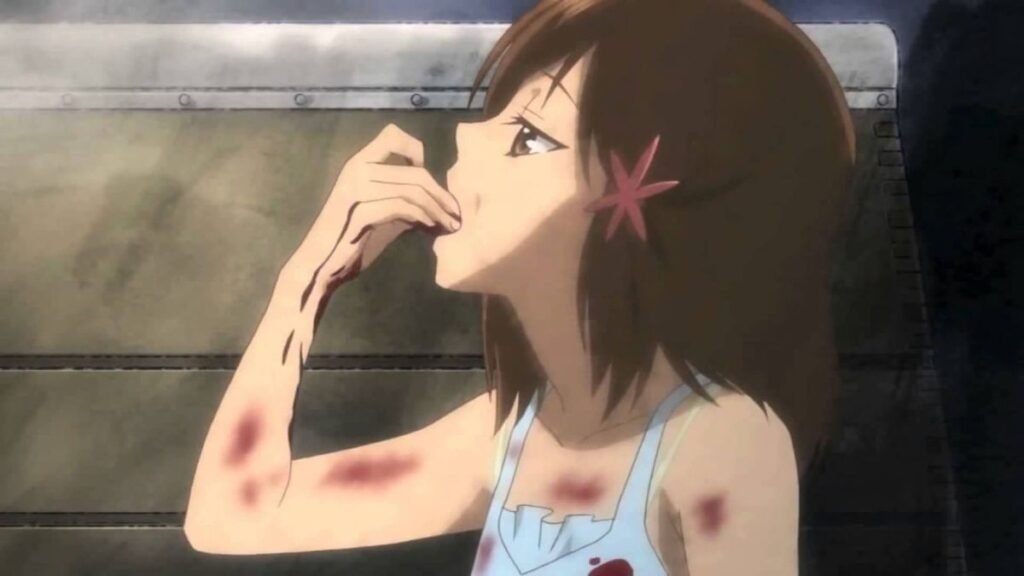
Pupa is a name that often appears at the top of “most messed up” lists, and for good reason. Based on the manga by Sayaka Mogi, the anime tells the story of two siblings, Utsutsu and Yume Hasegawa, who are infected by a mysterious virus that turns them into monsters. However, the virus affects them differently: Yume becomes a mindless, grotesque man-eating creature, while Utsutsu gains the ability to regenerate his body at an impossible speed. To protect the world from his sister’s hunger—and to keep her from being hunted down—Utsutsu makes a horrifying decision: he allows Yume to feed on his own living flesh as her primary food source.
The disturbing nature of Pupa isn’t just the cannibalism; it’s the intimate, almost “incestuous” framing of the feeding scenes. The anime uses hyper-realistic sound design—squelching, chewing, and muffled screams—to make every 4-minute episode feel like an eternity. Watching a younger sister tear chunks of meat out of her brother’s stomach while he tries to comfort her is a level of psychological trauma that few other series dare to touch. It explores themes of toxic codependency and the literal “consumption” of one’s own identity for the sake of a loved one. Even though the animation was heavily censored during its initial broadcast, the “Uncut” version is a legendary piece of body horror that focuses on the biological “wetness” of the transformations. It is a show that feels like a violation of the senses, forcing the audience to confront a sibling bond that has been twisted into a literal life-and-death food chain.
Episode Count: 12 (Short-form episodes)
Genre: Psychological, Body Horror, Supernatural
Best for: Viewers looking for high-intensity taboo horror in short bursts.
Core Theme: Toxic codependency and the literal consumption of identity.
Disturbing anime doesn’t just show you something scary; it forces you to question the world and the people in it. Whether it’s the biological taboo of Pupa or the psychological spiral of Perfect Blue, these stories stick with you because they dare to go where most media won’t.
If you’re still looking to test the limits of what you can handle, our list of Top 10 Dark Anime That Are Not for Everyone explores stories that push past comfort and straight into chaos.
And if you want to see the specific moments where these narratives go full brutal, you need to check out the Top 10 Anime With Insane Death Scenes That Traumatized Fans. Just a fair warning—some of those scenes are impossible to unsee.
So tell me — which of these left the biggest scar on your psyche? Drop your pick in the comments and let’s debate: was #1 actually the worst, or is there something even darker out there?

Frequently Asked Questions (FAQ)
Why is Pupa ranked as the most disturbing anime on this list?
While many horror anime rely on ghosts or monsters, Pupa hits #1 because it tackles extreme taboos like cannibalism within a sibling relationship. The idea of a brother literally feeding his own flesh to his sister to keep her alive is a level of psychological and physical “wrongness” that sticks with you longer than a simple jump scare.
Is Midori (Shoujo Tsubaki) still banned worldwide?
Midori is one of the most controversial anime ever made. For years, it was practically impossible to find because the original film prints were destroyed and it was banned in several countries due to its graphic depictions of abuse. While it’s “available” in underground circles today, it remains one of the most restricted and difficult-to-watch titles in the medium’s history.
What makes Kaiba disturbing despite its cute art style?
Don’t let the “Astro Boy” inspired art fool you. Kaiba is deeply unsettling because it explores the commodification of memories and bodies. In this world, the wealthy can swap bodies like clothes while the poor are sold for parts. It’s a masterclass in existential dread that forces you to question what it actually means to have a soul.
Are these anime safe for casual viewers?
Honestly? No. This list features “underground” and experimental titles like Belladonna of Sadness and Midori-ko that push the boundaries of art and comfort. These are best suited for seasoned horror fans who are looking for psychological depth, artistic experimentation, and themes that mainstream anime won’t touch.
Which anime on this list is the best starting point for horror fans?
If you want to test the waters, Corpse Party or Happy Sugar Life are the most “accessible” starting points. They follow more traditional horror and psychological thriller structures compared to the abstract nightmares of Hell Target or the slow-burn biological filth of Midori-ko.
Check out more disturbing masterpieces in our [related articles] or over on [MyAnimeList].
Enjoyed this article?
Explore more anime lists on SMASH Senpai — psychological, emotional, dark, and binge-worthy.
Written by Smash Senpai
Anime • Dark Stories • Psychological