Top 10 Best Horror Anime That Will Terrify You (2026)
Anime horror is notoriously difficult to execute. You can’t rely on cheap live-action jump scares or hyper-realistic gore when everything is drawn by hand. To create the scariest anime possible, a studio must master atmosphere, unrelenting dread, and the uncanny valley. It requires burrowing into the viewer’s mind and leaving a lingering sense of paranoia long after the screen goes black.
In 2026, the anime horror landscape has reached a horrifying new peak. While legendary classics still hold their ground, recent high-budget adaptations have completely redefined what the scariest anime look and feel like. We are no longer just looking at monsters in the dark; we are looking at the disintegration of reality, the corruption of the human body, and the terrifying unknown hiding right next to us.
If you are looking for shows that will make you sleep with the lights on, you’ve found them. Here are the Top 10 best horror anime that will absolutely terrify you.
Table of Contents
Ghost Hunt
Ghost Hunt is the definitive “slow-burn” paranormal investigation anime. It initially presents itself as an almost lighthearted, Scooby-Doo-esque mystery show where a group of eccentric spiritualists—ranging from a Catholic priest to a shrine maiden—gather to solve local hauntings. However, this early tonal deception is exactly what makes the later arcs so deeply unsettling.
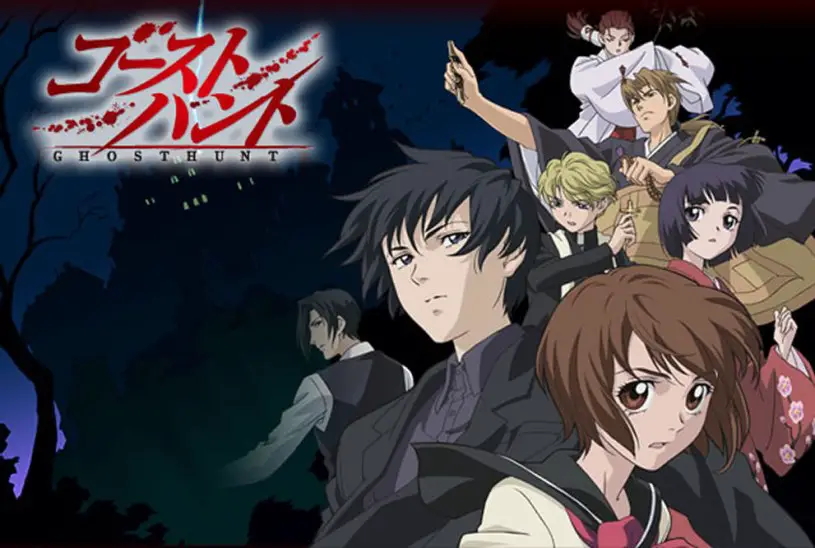
Unlike modern horror that relies on visual shock value, Ghost Hunt builds its terror through pacing, audio design, and the escalating stakes of its investigations. The series approaches the supernatural with a pseudo-scientific method, utilizing infrared cameras, temperature sensors, and base camps. This grounded approach makes the moments when the equipment fails—or captures something truly malevolent—feel incredibly authentic and terrifying.
The infamous “Bloodstained Labyrinth” arc is widely regarded as one of the most frightening sequences in classic anime. By trapping the cast in a sprawling, illogical mansion built to confuse both the living and the dead, the show shifts from standard ghost-hunting into pure survival horror. It proves that you don’t need excessive gore to traumatize a viewer; sometimes, complete silence and a shifting floorplan are more than enough.
Paranoia Agent
Directed by the legendary Satoshi Kon, Paranoia Agent is a surreal, mind-bending masterpiece that explores the infectious nature of societal anxiety. The series centers around the mysterious “Lil’ Slugger” (Shounen Bat), a seemingly phantom assailant on inline skates who attacks people who are pushed to their absolute mental breaking points.
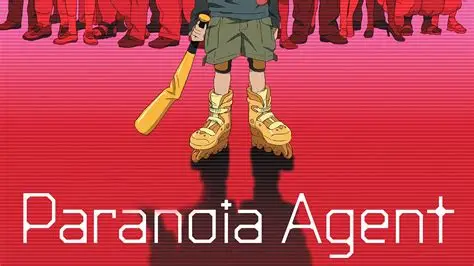
The horror here isn’t derived from monsters lurking under the bed, but from the crushing weight of modern life. The victims of Lil’ Slugger are all desperate for an “out”—an excuse to escape their insurmountable stress, guilt, or failures. When the golden bat strikes them down, it paradoxically brings them relief. The show asks a terrifying question: what if a serial assailant is actually the savior of a profoundly sick society?
Kon’s signature blurring of reality and delusion is on full display here. As the attacks escalate, the collective paranoia of Tokyo manifests physically, turning a localized police investigation into a surreal apocalypse. Paranoia Agent is deeply unnerving because it holds up a funhouse mirror to real-world hysteria, proving that the human mind under pressure is far more terrifying than any supernatural entity.
Mieruko-chan
Mieruko-chan is built entirely on one of the most agonizingly stressful premises in the anime medium: the survival tactic of absolute ignorance. The story follows Miko Yotsuya, an ordinary high school girl who suddenly develops the horrifying ability to see grotesque, Eldritch spirits that silently roam the human world. However, unlike typical anime protagonists who would use this power to fight back or exorcise the dead, Miko realizes a terrifying rule. If these decaying, towering monstrosities realize that she can see them, they will brutally attack her. Her only defense is to pretend she sees absolutely nothing, no matter how close they get.
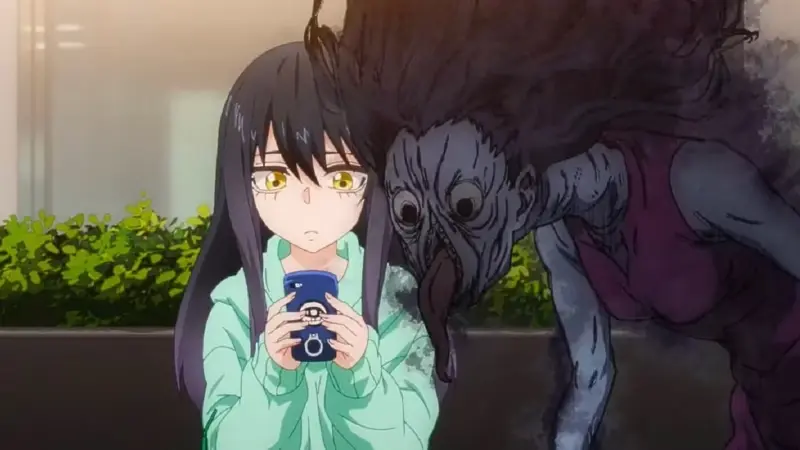
The terror in this series is generated almost entirely through its suffocating, unbearable suspense. The viewer is forced to watch as nightmarish, multi-limbed abominations crawl across Miko’s desk, press their rotting faces directly against hers, and scream completely unhinged questions into her ears. The horror lies in the restraint required to survive. You watch Miko’s eyes water and her body tremble as she desperately forces a smile and continues everyday conversations with her friends, all while a towering shadow monster drools inches away from her face. It is a brilliant, highly effective weaponization of the “uncanny valley,” turning mundane locations like convenience stores and bus stops into claustrophobic death traps.
While the series occasionally blends in dark comedy through Miko’s ridiculous daily struggles, the actual monster designs are pure, high-octane nightmare fuel. The animation team went out of their way to make the spirits look fundamentally wrong, utilizing erratic twitching animations, distorted audio mixing, and highly detailed, hyper-realistic rotting flesh that sharply contrasts with the standard, clean anime art style of the human characters. Mieruko-chan proves that sometimes the scariest thing you can do when faced with the paranormal isn’t screaming or fighting—it is staring directly through a monster and praying it walks away.
Mononoke
Mononoke is an avant-garde triumph that utilizes striking, traditional Japanese ukiyo-e aesthetics to deliver some of the most uniquely disturbing horror in the medium. We follow the enigmatic “Medicine Seller” as he travels across feudal Japan, exorcising malicious spirits known as Ayakashi. However, he cannot simply kill them; he must first uncover their Form (Katachi), Truth (Makoto), and Reason (Kotowari).
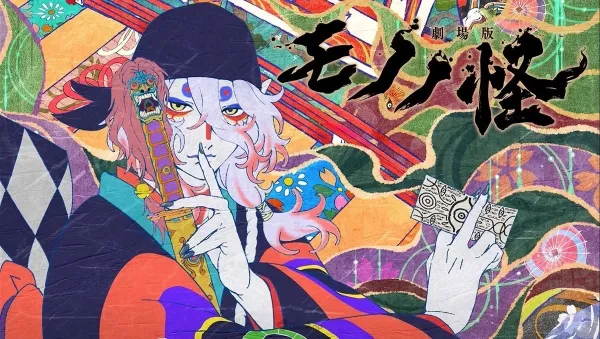
The true terror of Mononoke lies in the “Reason.” The spirits are rarely inherently evil; they are born from intense human malice, tragedy, and suppressed guilt. To defeat the monster, the Medicine Seller must expose the darkest, most vile secrets of the human characters involved. The show forces viewers to confront the ugliness of human nature, from betrayal to murder.
Visually, the series operates like a fever dream. The hyper-stylized colors, claustrophobic framing, and erratic sound design create a sensory overload that makes you feel as trapped and paranoid as the victims on screen. It is a brilliant, artistic approach to psychological horror that proves terror can be incredibly beautiful.
Serial Experiments Lain
Released decades ago, Serial Experiments Lain is a cyber-horror masterpiece that predicted the existential dread of the modern internet era with terrifying accuracy. When a quiet, introverted schoolgirl named Lain receives an email from a classmate who recently committed suicide—claiming she has simply abandoned her physical body to live in “The Wired”—Lain begins a descent into a digital abyss.
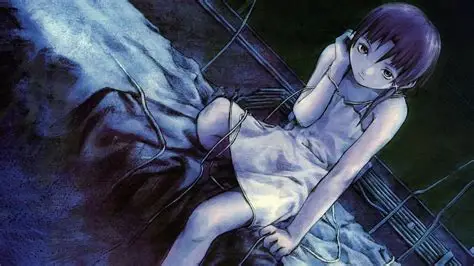
This is not a show about jump scares; it is about the quiet, creeping dissolution of self. As Lain becomes increasingly obsessed with The Wired (the show’s stand-in for the internet), the boundaries between the physical world and the digital realm begin to rot away. The horror is profoundly existential, focusing on isolation, the fracturing of identity, and the terrifying concept of an omnipotent digital god.
The oppressive, industrial sound design—dominated by the constant, low-frequency hum of power lines—creates an atmosphere of perpetual unease. Serial Experiments Lain is terrifying because it forces you to question your own existence and the digital footprint you leave behind. It is a dense, philosophical nightmare that remains shockingly relevant today.
Dark Gathering
Dark Gathering completely subverts the standard ghost-hunting trope by introducing spirits that are genuinely, terrifyingly hostile. The story follows Keitaro, a college student who acts as a ghost magnet, and Yayoi, a brilliant young girl with dual-pupils who actively hunts down the most dangerous apparitions in Japan to capture them. Unlike typical supernatural shows where ghosts are just misunderstood souls waiting to be crossed over, the entities in this universe are deeply malevolent, grotesque abominations that inflict catastrophic physical and spiritual damage on anyone foolish enough to cross their path.
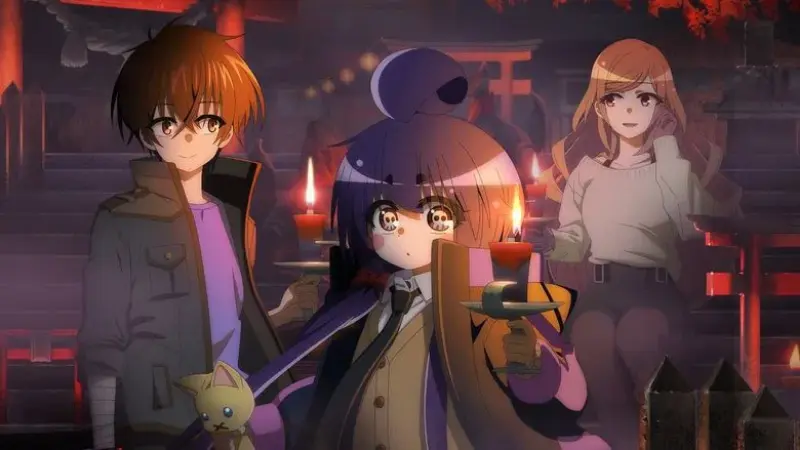
The horror stems from the sheer, overwhelming power of these spirits and the staggering risks the characters take to subdue them. The series does not rely on cheap jump scares; it builds relentless tension through its incredibly detailed, unsettling ghost designs and the suffocating atmosphere of heavily cursed locations. We see spirits that force their victims to repeatedly commit suicide, entities that warp the physical environment into flesh-colored labyrinths, and malevolent “gods” that require an army of captured ghosts just to weaken. The scale of the supernatural threat is constantly escalating, making the viewer feel like the protagonists are always inches away from a gruesome demise.
What cements Dark Gathering as a modern horror heavyweight is its willingness to cross the line into genuine nightmare fuel. The anime frequently shifts its art style to emphasize the grotesque, utilizing heavy shading and distorted, uncanny facial expressions when the spirits reveal their true, horrifying forms. It forces you to watch as human characters are pushed to their absolute limits of survival against entities that cannot be reasoned with or destroyed by conventional means. If you want a series that combines high-stakes combat with pure, unadulterated paranormal terror, this is the definitive show to watch.
The Summer Hikaru Died
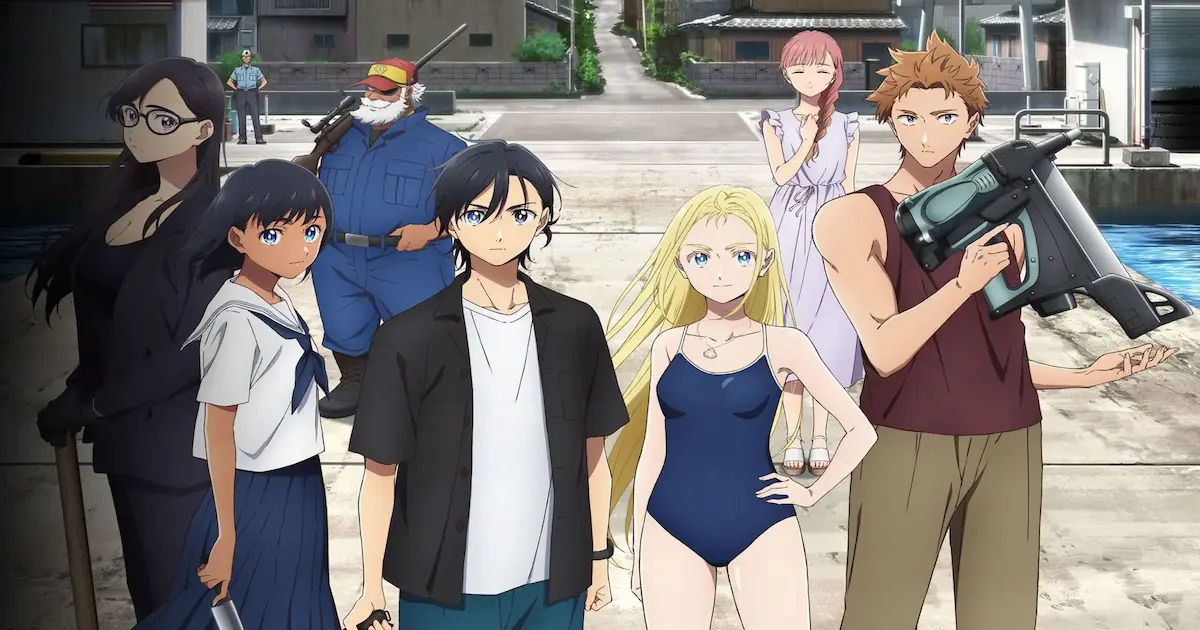
Premiering in July 2025, The Summer Hikaru Died brought a terrifyingly intimate form of uncanny valley horror to the forefront of the anime community. Set in a sweltering, isolated rural town, the story follows Yoshiki, who realizes a horrifying truth: his best friend Hikaru went missing in the mountains, and the “thing” that came back wearing his face is completely inhuman.
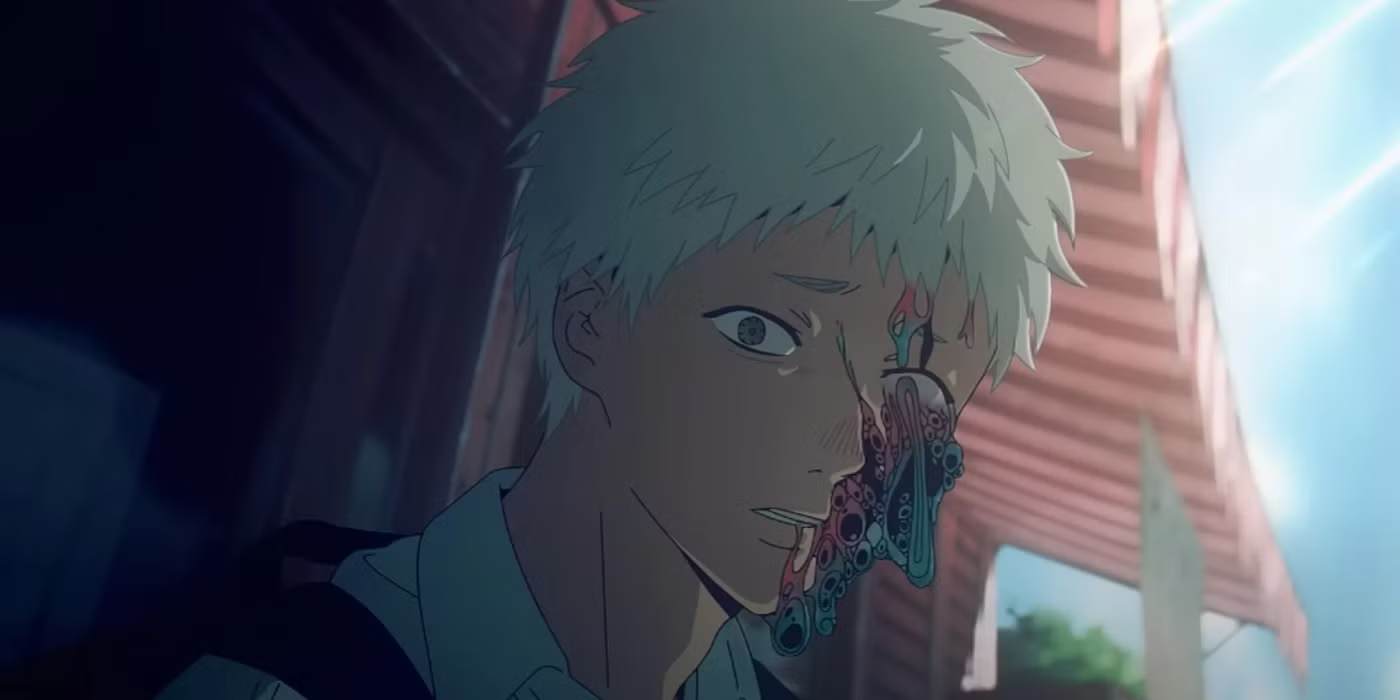
What makes this adaptation so profoundly disturbing is the concept of toxic, desperate attachment. Despite knowing that the real Hikaru is dead, Yoshiki chooses to stay by the monster’s side because he cannot bear the loneliness. The horror thrives in the quiet, mundane moments—the monster speaks perfectly, smiles warmly, but occasionally its internal anatomy shifts into an Eldritch, fleshy nightmare, reminding the audience of the lethal reality.
The series excels at building a suffocating, humid atmosphere where something is fundamentally wrong. The paranoid tension of hiding a cosmic entity in a small town, combined with the visceral body horror when the creature’s facade slips, creates an agonizingly suspenseful watch. It is a masterclass in modern psychological dread.
Shiki
Shiki takes traditional vampire mythology and reconstructs it into a chilling, slow-burn medical horror. When a mysterious aristocratic family moves into a castle overlooking the isolated village of Sotoba, the residents begin dying from what the local doctor initially diagnoses as a sudden, lethal epidemic. By the time they realize it is the work of the undead (the Shiki), the infection has already spread too far.
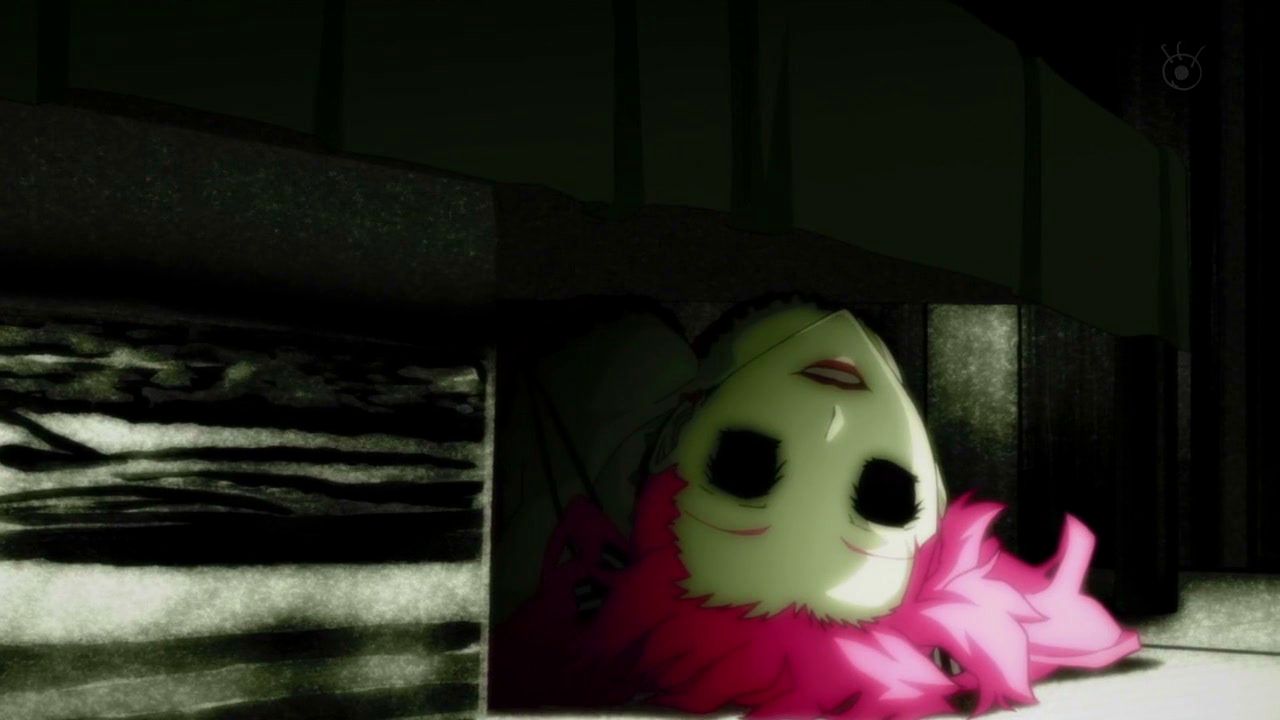
The first half of the series is a masterclass in atmospheric dread. You watch helplessly as characters are stalked in the dead of night, their life drained away slowly while the rest of the village remains blissfully ignorant. The vampires here aren’t romanticized; they are parasitic predators operating purely on survival instincts, viewing humans as nothing more than livestock.
However, the true trauma of Shiki lies in its legendary second half. When the human villagers finally fight back, they abandon all morality, enacting a massacre so brutal and methodical that you begin to question who the real monsters are. The agonizing deaths on both sides, combined with the profound moral ambiguity, make this one of the most emotionally devastating horror anime ever produced.
Perfect Blue
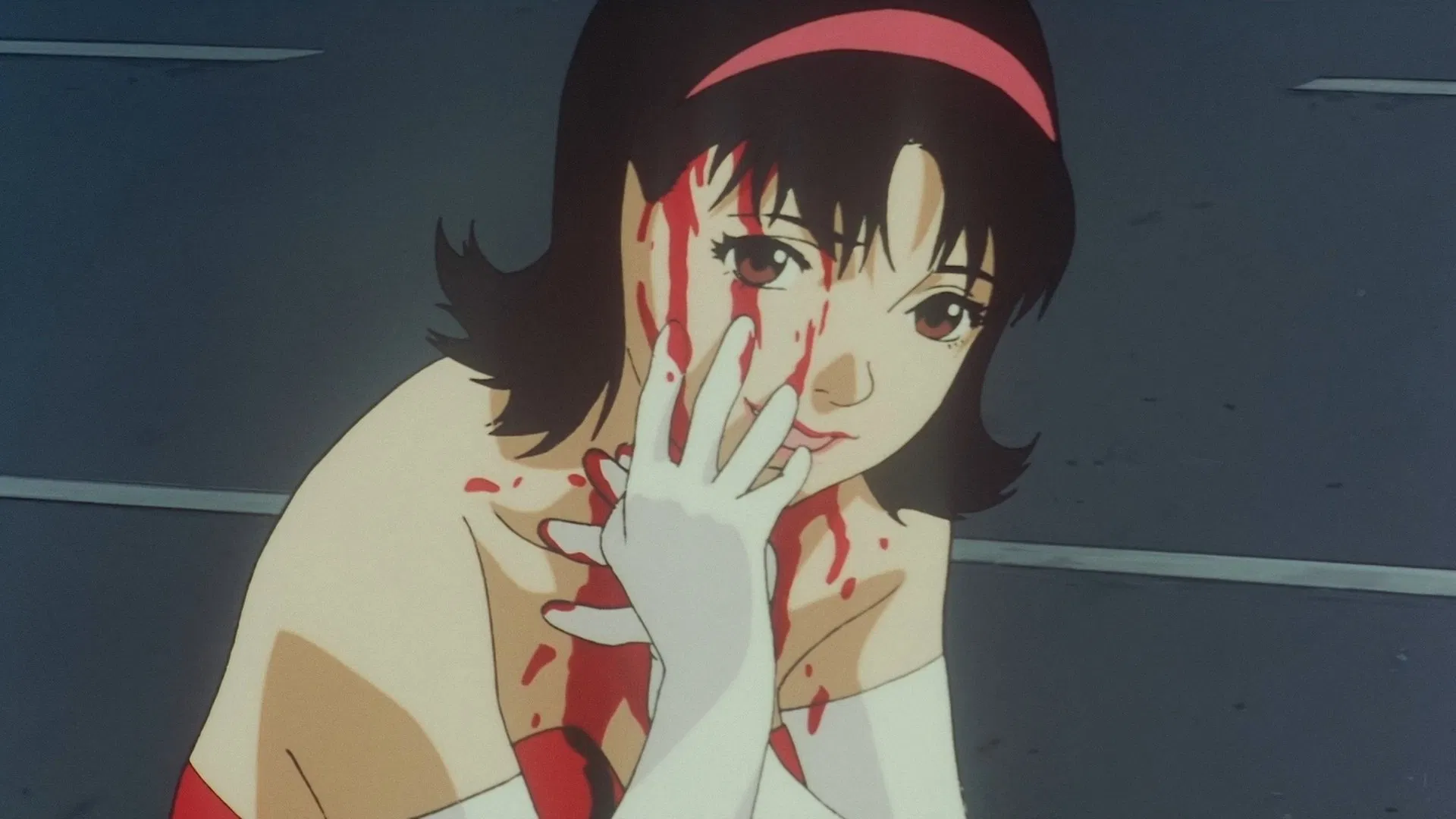
Perfect Blue is the gold standard of psychological thriller anime. Directed by Satoshi Kon, this cinematic masterpiece follows Mima Kirigoe, a pop idol who decides to leave her pristine music career behind to become a serious actress. Almost immediately, she is targeted by a terrifyingly obsessive stalker, and the pressure of her new, gritty acting roles begins to violently fracture her psyche.
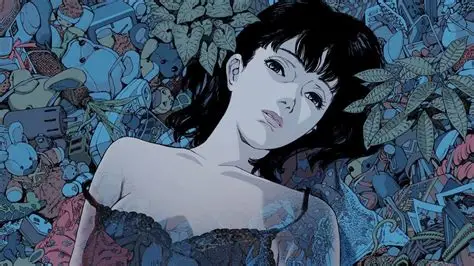
The horror of Perfect Blue is its aggressive manipulation of the viewer’s perception. Kon utilizes match-cuts, looping scenes, and disorienting transitions to put you directly inside Mima’s deteriorating mind. You are never entirely sure what is real, what is a scene from the TV show she is filming, or what is a hallucination born from her trauma. The feeling of absolute powerlessness and confusion is suffocating.
Long before social media existed, this film captured the horrifying reality of parasocial relationships and the loss of privacy. The violence, when it happens, is visceral and ugly, but it’s the relentless mental stalking that leaves a permanent mark. It is an anxiety-inducing masterpiece that has inspired countless Hollywood thrillers, cementing its legacy as a terrifying piece of art.
Uzumaki
When adapting Junji Ito’s magnum opus, the only way to do it justice was to embrace the madness completely. After years of anticipation, the Uzumaki anime adaptation finally premiered on September 28, 2024, and it shattered expectations by delivering one of the most visually striking and profoundly disturbing experiences in anime history. It is the undisputed king of cosmic body horror.
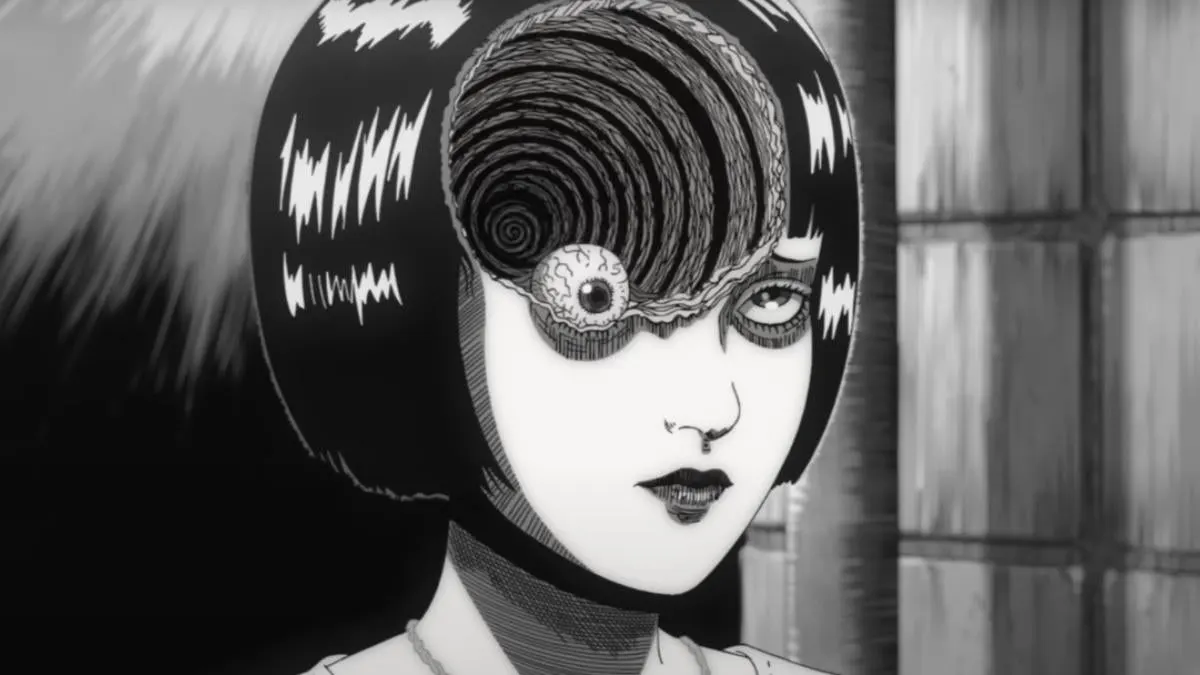
Set in the cursed town of Kurouzu-cho, the horror is not a ghost, a serial killer, or a demon—it is a shape. The town becomes infected by spirals. Instead of traditional animation, the series meticulously replicates Ito’s heavily inked, black-and-white crosshatching. This artistic choice makes the entire world look incredibly oppressive, as if the animation itself is slowly dragging you into its suffocating depths.
The cosmic dread is relentless. You watch helplessly as the obsession with spirals forces the human body to contort, break, and mutate in ways that defy physics and sanity. From bodies twisting into massive snail shells to hair consuming the minds of the townspeople, the horrific inevitability of the curse offers zero hope for survival. Uzumaki is a flawless execution of Lovecraftian terror, making it the most terrifying horror anime you will ever watch.
Survive the Night
Horror anime is not for the faint of heart. While shows like Uzumaki push the boundaries of cosmic body horror, masterpieces like Perfect Blue prove that human mind is often the most terrifying subject of all. Whether you prefer slow-burn mysteries or relentless, graphic intensity, these 10 series are guaranteed to leave a lasting mark on your psyche.
If you need to cleanse your palate after all that trauma, come check out our Anime Smash or Pass game and vote on your favorite characters. You can also dive into our other dark rankings, like our breakdown of the Top 10 Most Brutal Anime Deaths.
Which of these traumatized you the most?
Frequently Asked Questions
Why is Uzumaki ranked as the number one horror anime?
Is "The Summer Hikaru Died" actually scary, or is it just drama?
Why is "Shiki" considered a slow burn?
Where can I watch the Satoshi Kon masterpiece "Perfect Blue"?
Is Dark Gathering actually scary, or just an action anime?
What is the scariest anime of all time?
Rank Your Favorites
Take a break and play our interactive Smash or Pass games. Vote on your favorite anime characters, game characters, and idols to shape the global tier lists.
Join the Discussion (0)