Top 10 Banned Anime That Caused Global Outrage (2026)
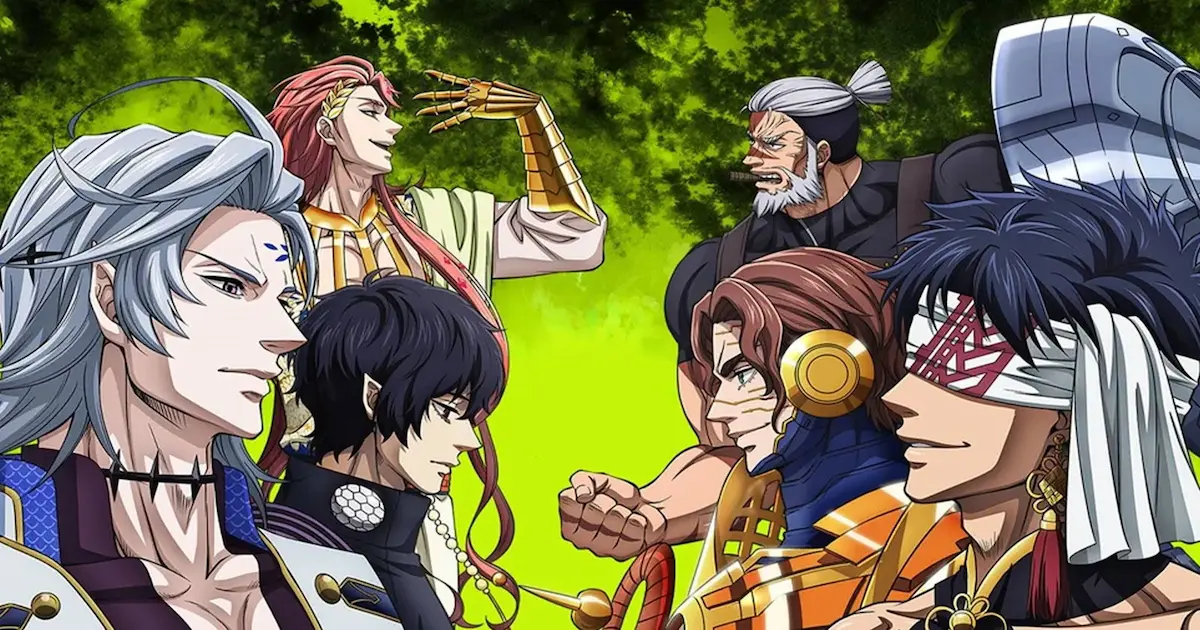
The global anime industry is a multi-billion dollar cultural juggernaut, celebrated for its boundless creativity and lack of traditional Western narrative restrictions. However, that absolute creative freedom occasionally collides violently with international laws, broadcast regulations, and societal standards. When an animation studio crosses the line, the fallout is rarely quiet. It results in international headlines, governmental intervention, and the complete eradication of the media from public platforms.
The anime on this list were not merely criticized; they were actively suppressed. Some triggered immediate medical emergencies that forced global television networks to rewrite their safety protocols overnight. Others incited international religious protests, prompted sweeping educational bans across entire continents, or were physically confiscated and destroyed by national authorities for violating strict obscenity laws. The controversy surrounding these titles often eclipses the narratives themselves, cementing their legacy in infamy.
From modern streaming giants yielding to political pressure to historical tapes lost to government raids, the history of censorship is dark and complex. Here are the Top 10 banned anime that caused unprecedented global outrage.
Table of Contents
Tokyo Ghoul
While Tokyo Ghoul is considered a mainstream staple in Western markets, its global distribution faced a gauntlet of intense regulatory pushback. The series, which centers on a secret society of beings that require human sustenance to survive, was initially broadcast in Japan with highly aggressive visual redactions. Entire sequences of the screen were inverted with photographic negatives, blurred, or heavily obscured by black shadows to comply with domestic broadcast safety standards.
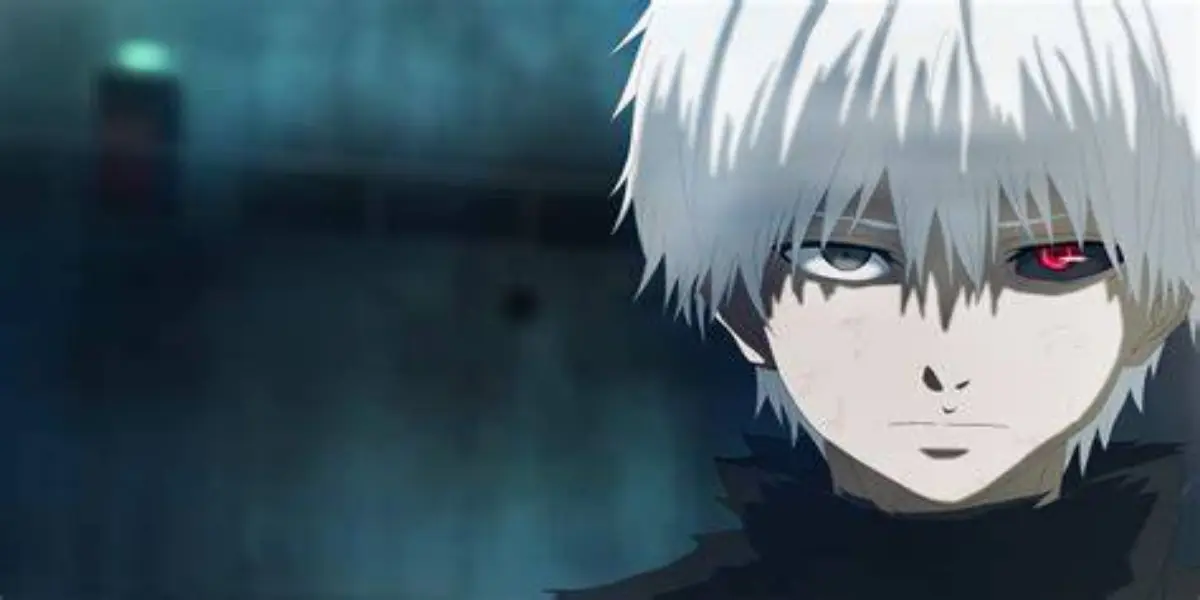
However, the true outrage occurred on an international governmental level. In 2015, the Chinese Ministry of Culture launched a massive campaign targeting foreign media, explicitly blacklisting Tokyo Ghoul alongside several other high-profile titles. The government cited the anime for promoting subversive themes and excessive graphic intensity that compromised public morality. Any streaming platforms operating within the country were legally mandated to delete all episodes or face severe corporate fines.
The controversy did not end there. In 2021, the Russian court system formally banned the distribution of the series on major domestic websites. The prosecution argued successfully that the show’s themes were an active danger to the psychological development of minors. The sheer scale of international litigation leveled against Tokyo Ghoul highlights how swiftly authoritarian broadcast regulators will mobilize against media they deem a threat to social order.
Wicked City
Released in 1987, Yoshiaki Kawajiri’s Wicked City serves as a primary example of the intense regulatory battles that defined the Original Video Animation (OVA) era. Unbound by the strict television guidelines of the decade, the film embraced dark, mature, and highly controversial themes as it depicted a secret police force battling shape-shifting entities from a parallel dimension. The resulting product was visually stunning but structurally incompatible with global rating systems.
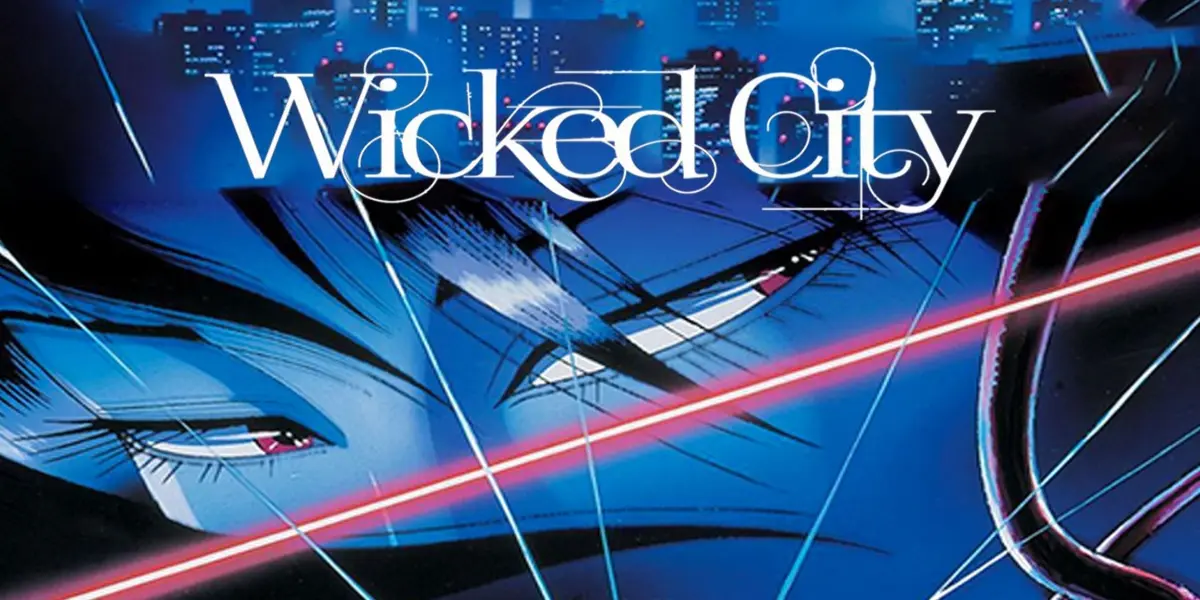
When international distributors attempted to localize the film for Western audiences throughout the 1990s, they immediately collided with regional classification boards. The film’s reliance on mature visual motifs and boundary-pushing sequences meant it routinely failed to secure standard theatrical or home-video certifications. Distributors were forced to choose between executing heavy-handed cuts to appease the rating boards or accepting restrictive “Adult Only” classifications that severely limited commercial viability.
The censorship surrounding Wicked City varied wildly by region. Some European broadcasts aired heavily sanitized versions that entirely altered the narrative flow to hide the controversial scenes, while other countries quietly restricted its import altogether. The film remains a vital case study in how the lack of a standardized global rating system during the VHS era led to disjointed, highly contested international releases.
Interspecies Reviewers
Interspecies Reviewers achieved unparalleled infamy during the Winter 2020 anime season by executing a premise so deeply subversive that it shattered the tolerance of multiple international broadcasting networks simultaneously. The show operated as a satirical travelogue where adventurers visited and reviewed adult-oriented commercial establishments managed by various fantasy species. What began as a boundary-pushing late-night comedy rapidly spiraled into a massive corporate crisis.

Just four weeks into its run, the backlash was absolute. Tokyo MX, one of Japan’s most prominent television networks, abruptly pulled the series from its schedule, stating unequivocally that the content had exceeded their internal regulations for public broadcasting. Almost simultaneously, Western licensing giant Funimation announced the immediate removal of the series from its streaming platform, revoking their localization rights mid-season due to the show falling outside their corporate content guidelines.
The sudden, coordinated ban across global networks sparked a massive debate regarding modern censorship, streaming monopolies, and the responsibilities of licensing companies. The show was forced to seek refuge on obscure premium satellite networks in Japan and alternative, restriction-free digital storefronts in the West, cementing its legacy as the series that actively broke the modern simulcast ecosystem.
Genocyber
If you want to understand the breaking point of global media classification boards during the 1990s, look no further than Genocyber. This five-part OVA series focused on the creation of an unstoppable bio-mechanical superweapon birthed from the merged consciousness of two psychic sisters. However, the sci-fi plot was entirely overshadowed by an unprecedented commitment to extreme visual intensity that alarmed regulators worldwide.
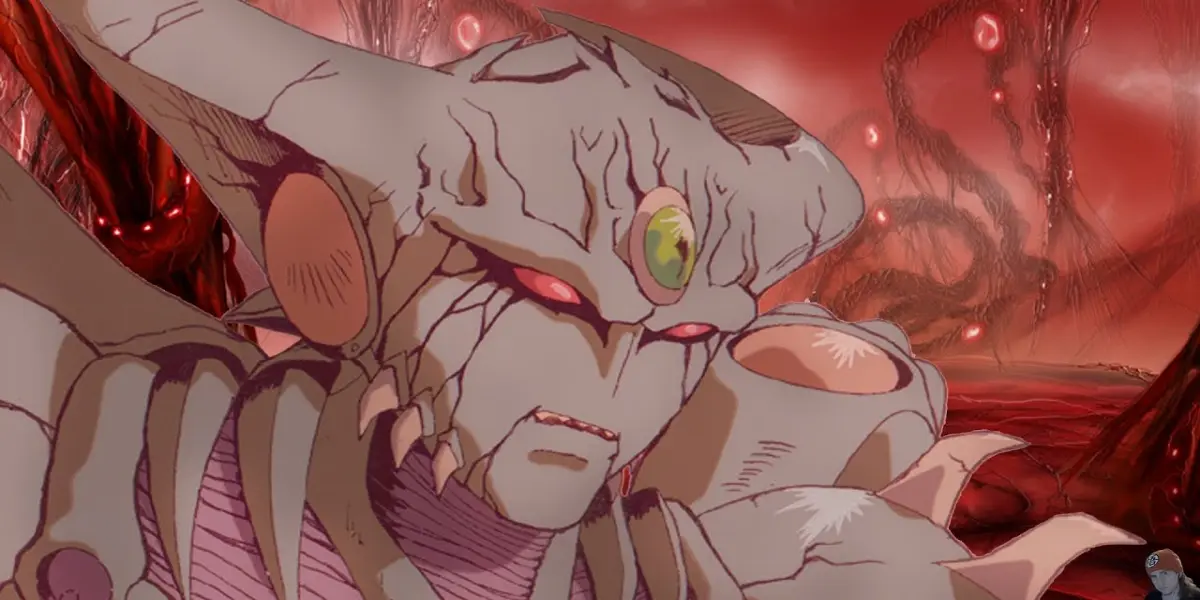
The international release of Genocyber was a logistical nightmare for distributors. The animation featured a relentless escalation of graphic sequences that went far beyond standard action tropes. When submitted to global rating agencies—particularly those in the United Kingdom and Australia—the series routinely faced outright rejection. Authorities argued that the media lacked sufficient artistic merit to justify the sheer volume of unsanctioned visual content.
To achieve legal distribution in multiple regions, the series was subjected to some of the most aggressive censorship cuts in anime history. Entire acts were removed, fundamentally rendering the storyline incomprehensible in localized VHS releases. Even with massive redactions, Genocyber remained heavily restricted, earning a permanent reputation as a title deemed too extreme for the general public.
Violence Jack
Based on the works of legendary mangaka Go Nagai, Violence Jack is a grueling post-apocalyptic saga set in the ruins of a devastated Tokyo. The series is notorious for its unflinching portrayal of a society completely devoid of law, order, and basic human morality. It is a world ruled by warlords and unimaginable cruelty, and the animation made zero effort to sanitize the source material for a broader audience.
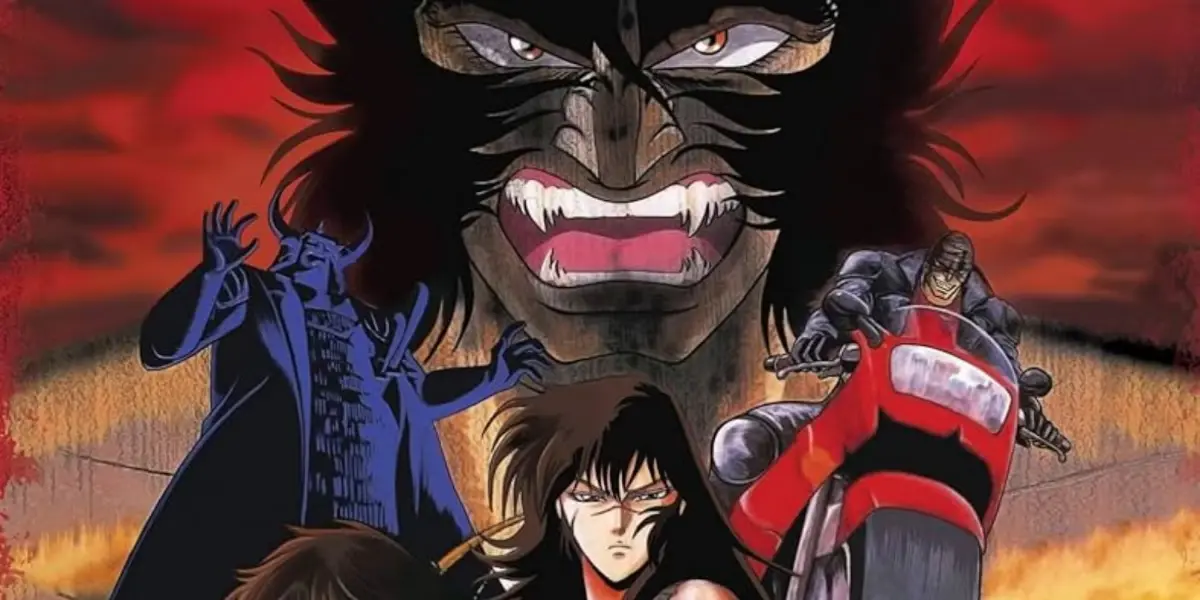
The global pushback against the OVA was severe, but the situation in Australia highlights the peak of the controversy. The Australian Office of Film and Literature Classification (OFLC) officially refused to classify certain installments of the series. Under Australian law, a Refused Classification (RC) rating does not simply restrict the age of the viewer; it makes the media legally banned. It becomes a criminal offense to sell, hire, or publicly exhibit the title within the country.
In other Western markets, the series barely survived the editing room. Distributors were forced to heavily manipulate color palettes, mute audio tracks, and excise minutes of footage just to pass basic legal minimums for adult retail. Violence Jack stands as a testament to the era where anime frequently collided with hard legal barriers regarding obscenity and public decency.
Barefoot Gen
Barefoot Gen is a haunting, semi-autobiographical masterpiece that chronicles the devastating aftermath of the atomic bombing of Hiroshima. The film does not shy away from the horrific realities of nuclear fallout, presenting the immediate destruction and the ensuing societal collapse with chilling, unvarnished accuracy. While internationally recognized for its profound anti-war message, its domestic status has been fiercely contested.
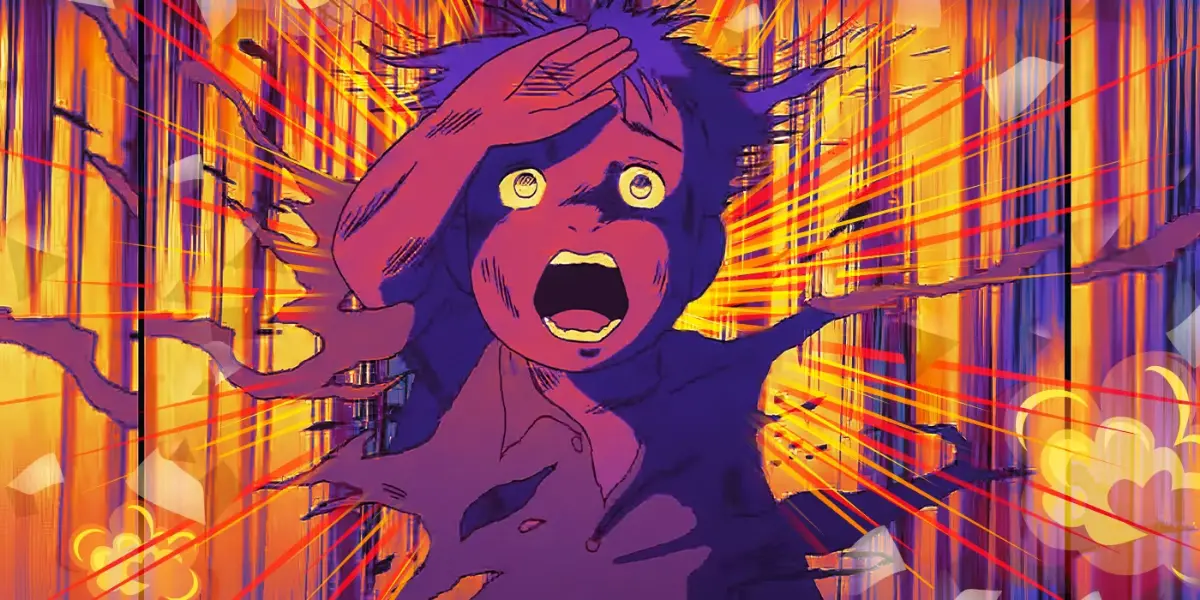
The controversy surrounding Barefoot Gen is deeply political. For decades, the manga and its animated adaptations were staples in Japanese school libraries, serving as crucial historical education. However, beginning in the early 2010s, several municipal school boards across Japan actively moved to restrict or completely ban the material from elementary and middle school curriculums. The boards argued that the graphic intensity of the wartime suffering was too extreme for young children to process.
This localized censorship sparked immediate national outrage. Historians, educators, and survivors argued that sanitizing the reality of the atomic bomb was a dangerous step toward historical revisionism. The battle over Barefoot Gen highlights a unique form of censorship: the struggle between protecting minors from visual intensity and the moral obligation to teach the uncompromised horrors of history.
Record of Ragnarok
When an anime bases its entire premise on historical figures physically fighting a pantheon of global deities in a tournament to the death, controversy is inevitable. Record of Ragnarok executed this exact concept, pitting humanity’s greatest warriors against gods from Greek, Norse, and Hindu mythology. However, the inclusion and stylized portrayal of Lord Shiva triggered an immediate and massive international incident.
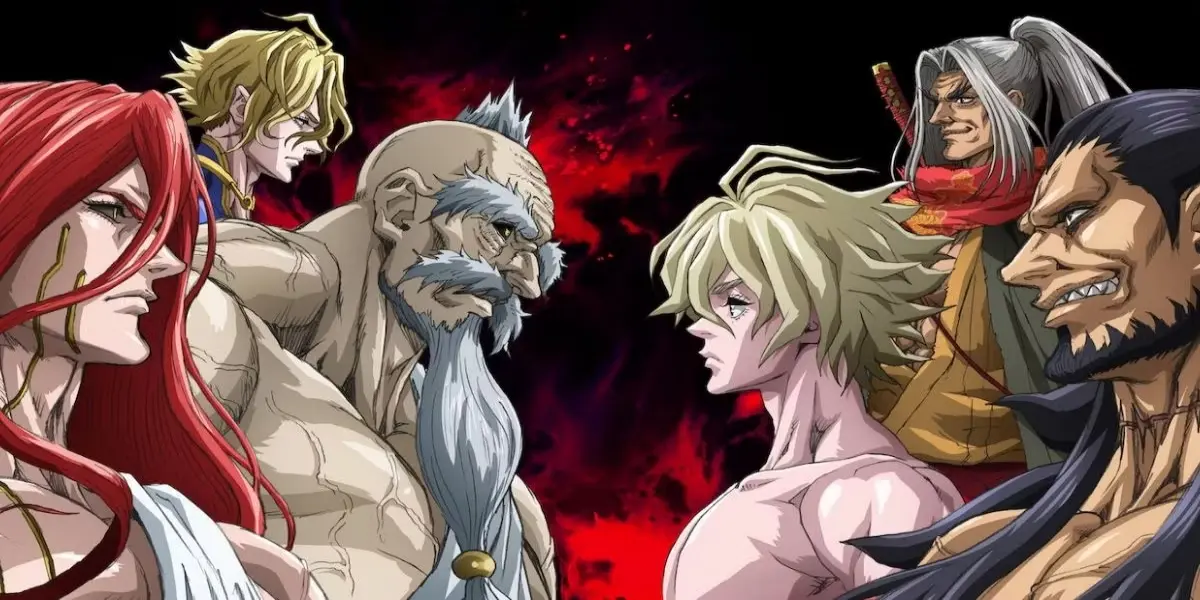
Prior to the anime’s official global premiere on Netflix, prominent Hindu activists and religious leaders organized a fierce public campaign against the series. They argued that trivializing a highly revered deity by placing him in a fictional, bloody brawl for entertainment purposes was highly offensive and culturally insensitive. The protests gained rapid momentum, threatening significant legal and public relations fallout for the streaming giant within the massive Indian market.
To avoid escalating the conflict, Netflix took unprecedented action. They completely scrubbed Record of Ragnarok from their Indian platform catalog. Furthermore, they actively edited promotional trailers globally to remove shots of the deity. This incident serves as a massive milestone in modern media, demonstrating how localized religious outrage can force a multi-billion dollar platform to execute a total regional ban on a flagship intellectual property.
Pokémon (The Porygon Episode)
On the evening of December 16, 1997, the Pokémon anime franchise accidentally triggered one of the most infamous mass medical emergencies in broadcast history. During the premiere of Episode 38, “Electric Soldier Porygon,” animators utilized a rapid, strobe-like visual effect of alternating red and blue screens to simulate an explosion inside a computer program. The sequence lasted mere seconds, but the real-world fallout was catastrophic.
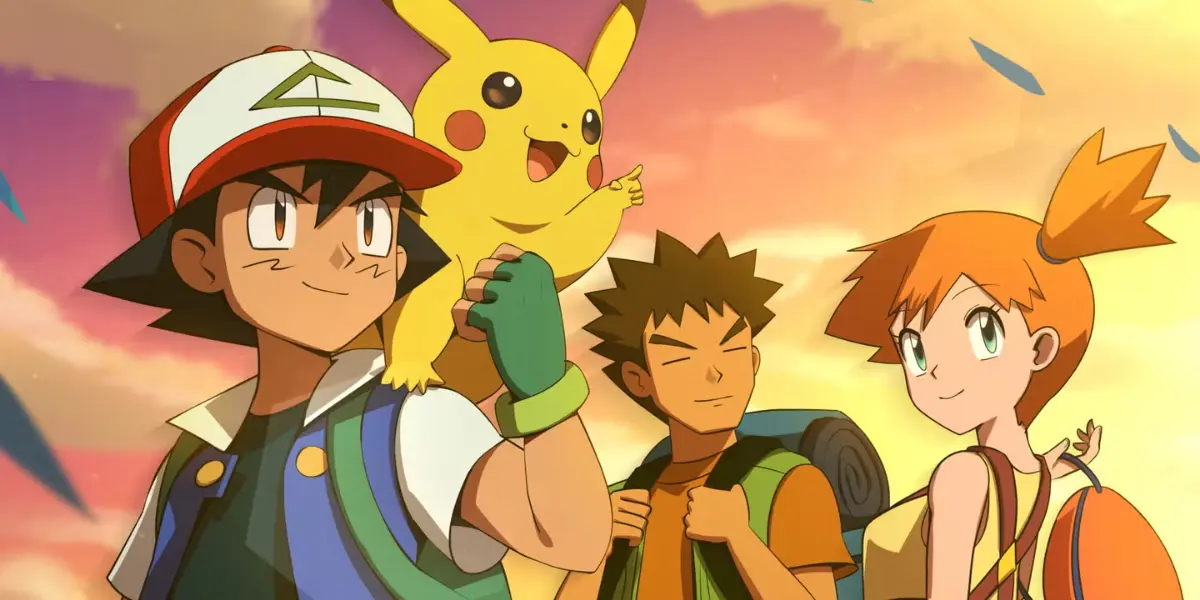
The flashing sequence induced photosensitive epileptic seizures in viewers across Japan. Emergency rooms were flooded as nearly 700 children were rushed to hospitals experiencing convulsions, temporary blindness, and severe nausea. The incident, immediately dubbed “Pokémon Shock” by the media, caused national panic. The Japanese government intervened, forcing the anime into an immediate four-month hiatus while strict new regulatory guidelines were drafted to govern visual flashing techniques in all future television broadcasts.
The aftermath of the episode was absolute. “Electric Soldier Porygon” was permanently banned from syndication globally; it has never been officially rebroadcast or released on home media anywhere in the world. The titular Pokémon, Porygon, was quietly retired from all future animated appearances to avoid association with the tragedy. It remains the most impactful episode of television ever banned.
Death Note
Death Note is an undisputed masterpiece of psychological suspense, but its central premise—a notebook that allows the user to kill anyone whose name is written inside—proved to be a logistical nightmare for school administrators and global governments alike. As the popularity of the anime exploded, a highly disturbing trend emerged: students across the world began manufacturing their own replica notebooks, filling them with the names of peers, teachers, and political figures.
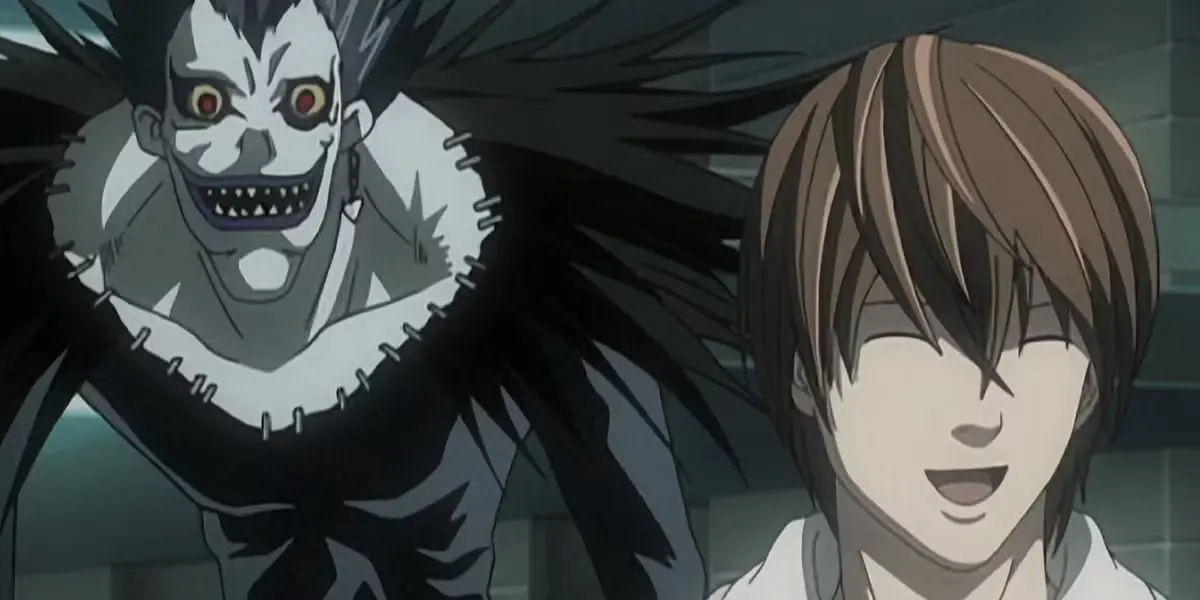
In the United States, the reaction was localized but fierce. Multiple school districts, ranging from New Mexico to Virginia, issued strict bans on the manga and anime, citing it as a severe disruption to the educational environment and a potential threat to student safety following the discovery of several “hit lists.” However, the international response escalated to full government intervention.
In 2015, the Chinese government executed a massive, nationwide ban on the entire franchise. Authorities claimed the series was corrupting the psychological development of the youth and promoting anti-establishment ideologies. Years later, the Russian government followed suit, aggressively prosecuting distribution networks and formally banning the series on major websites to “protect the moral integrity of minors.” It is one of the few anime deemed an active threat to national security.
Midori: Shoujo Tsubaki
There is censorship, and then there is eradication. Midori: Shoujo Tsubaki holds the incredibly rare and infamous distinction of being an anime that the Japanese government actively tried to scrub from existence. Produced entirely by one man, Hiroshi Harada, over the course of five years, the film explores the harrowing, relentlessly grim life of an orphaned girl trapped in a bizarre and abusive freak show during the 1920s.
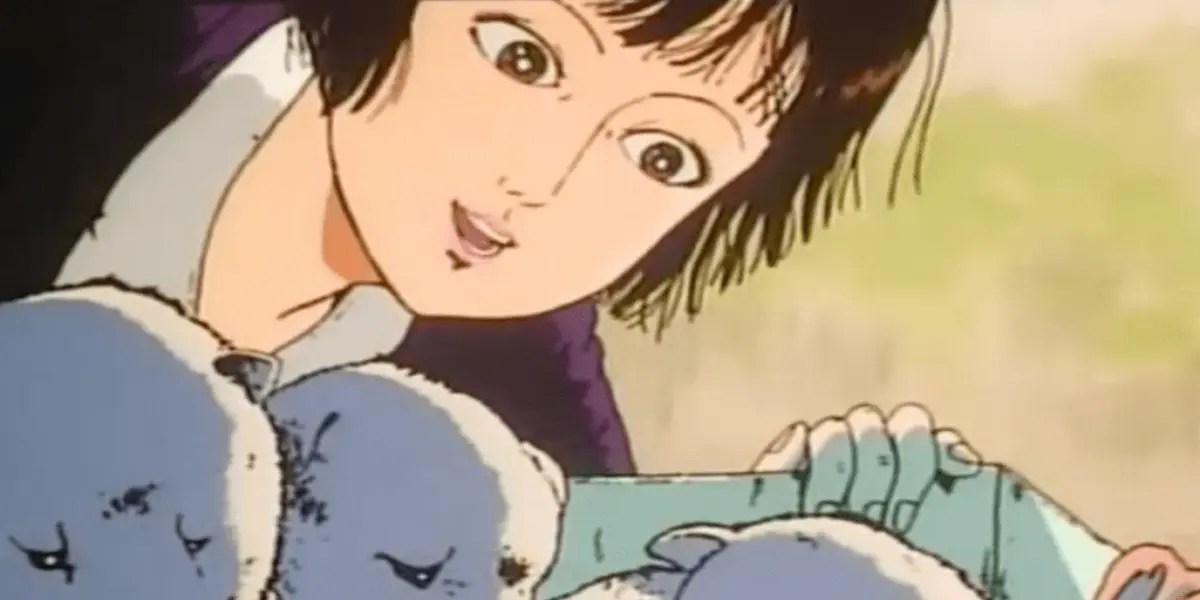
Upon its completion in 1992, Harada attempted to screen the film. However, the content was deemed so fundamentally violating of Japan’s strict national obscenity laws that authorities intervened directly. According to historical accounts, law enforcement physically confiscated and destroyed original reels and related materials. The film was effectively rendered illegal, unable to be legally broadcast, sold, or distributed anywhere in the country without severe legal prosecution.
For decades, the film only survived through clandestine, underground screenings organized by the creator and heavily degraded, black-market bootlegs that circulated in the West. While modern digital archival efforts have finally secured its preservation, Midori stands as the absolute pinnacle of anime censorship. It is the definitive example of a government utilizing total authoritative power to completely silence an animated work.
The Legacy of the Banned
Censorship is a mirror reflecting the anxieties of society. From the global medical panic induced by Pokémon to the unyielding legal eradication of Midori, these ten anime crossed the invisible lines of their respective eras. While modern streaming has largely bypassed the strict regulations of 1990s television, the ongoing controversies surrounding titles like Interspecies Reviewers prove that the battle over broadcast standards is far from over.
If you prefer your controversies to be purely fictional, dive into our Smash or Pass voting hubs and help shape the global leaderboards. Curious about the psychological toll behind the scenes? Read our breakdown of the Top 10 Psychological Anime to Mess With Your Mind.
Which ban was the most justified?
Frequently Asked Questions
Why was Death Note banned in multiple countries?
What is the story behind the banned Pokemon episode?
Why did Netflix pull Record of Ragnarok in India?
Why is Midori: Shoujo Tsubaki considered the most banned anime?
How did Interspecies Reviewers get cancelled mid-season?
Rank Your Favorites
Take a break and play our interactive Smash or Pass games. Vote on your favorite anime characters, game characters, and idols to shape the global tier lists.
Join the Discussion (0)