Top 10 Underrated Anime You Need to Watch (2026)
The modern anime industry operates on pure, unfiltered hype. Every season, social media algorithms latch onto one or two massive battle-shonen titles, flooding timelines with millions of posts and leaving everything else to suffocate in the shadows. But if you only watch what is trending on Twitter or dominating the Crunchyroll front page, you are missing out on some of the greatest storytelling the medium has ever produced.
The term “underrated” gets thrown around a lot, but true hidden gems are shows that boast flawless writing, spectacular animation, and gripping narratives, yet completely failed to capture the mainstream spotlight. Why? Sometimes a show gets trapped in “streaming jail” by platforms that refuse to market it. Sometimes the art style alienates the average viewer before the plot even begins. And sometimes, a brilliant mystery is just too complex to be summarized in a 10-second TikTok clip.
If you are completely burnt out on generic isekai tropes, endless tournament arcs, and recycled high school romances, it is time to dig deeper. Here are the Top 10 highly-rated but deeply underrated anime that absolutely demand your attention in 2026.
Table of Contents
Astra Lost in Space
At first glance, Astra Lost in Space looks like a generic, lighthearted anime about a group of colorful high school students going on a futuristic field trip. This deceptive marketing is the exact reason it flew completely under the radar during its release. However, within the first 15 minutes of episode one, the entire cast is violently sucked into a mysterious wormhole and stranded in deep space, thousands of lightyears away from home.
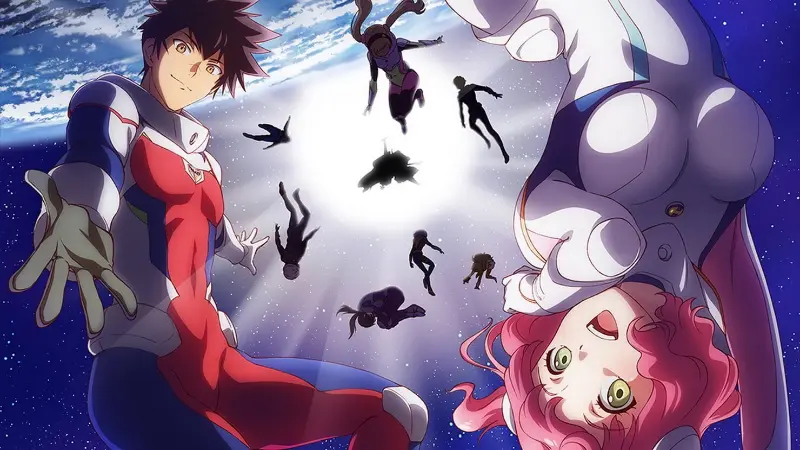
What unfolds is one of the tightest, most perfectly paced sci-fi survival mysteries in the entire medium. The crew must desperately planet-hop across uncharted alien worlds, gathering resources to survive the long journey back. But the survival aspect is only half the genius. The crew soon realizes that the wormhole was not an accident—someone on the ship is an imposter actively trying to assassinate all of them, turning the journey into a tense, claustrophobic whodunit.
The beauty of this series is that it knows exactly what it wants to be. At a tight 12 episodes, there is absolutely zero filler. Every single breadcrumb of foreshadowing is meticulously paid off in the final act, delivering plot twists that completely recontextualize the entire universe they live in. If you want a complete, satisfying narrative wrapped in a thrilling sci-fi package, Astra Lost in Space is a mandatory watch.
ID: Invaded
ID: Invaded is an original anime that completely failed to capture mainstream attention, likely due to its confusing title and highly complex premise. It essentially operates as a brilliant fusion of Christopher Nolan’s Inception and Minority Report. The story follows a specialized police unit that utilizes advanced technology to dive into the “ID Wells”—the literal, physical manifestations of serial killers’ unconscious minds—to solve horrific crimes.

The catch is that only someone who has taken a life can enter an ID Well. Our protagonist, Akihito Narihisago, is a former brilliant detective who is now serving time for murdering the serial killer who slaughtered his family. To solve cases, his consciousness is projected into these bizarre, abstract dreamscapes where physics do not apply. The environments reflect the psychopathy of the killers—ranging from a world literally falling apart into floating cubes to a landscape engulfed in endless sniper fire.
The series is a masterclass in visual storytelling and puzzle-solving. The audience is forced to piece together the metaphors of the dream world alongside the detective, leading to incredibly satisfying “aha!” moments. Beneath the gripping procedural mysteries, ID: Invaded delivers a profound and devastating exploration of a father’s grief, culminating in an emotional climax that elevates it far above standard cyberpunk fare.
Baccano!
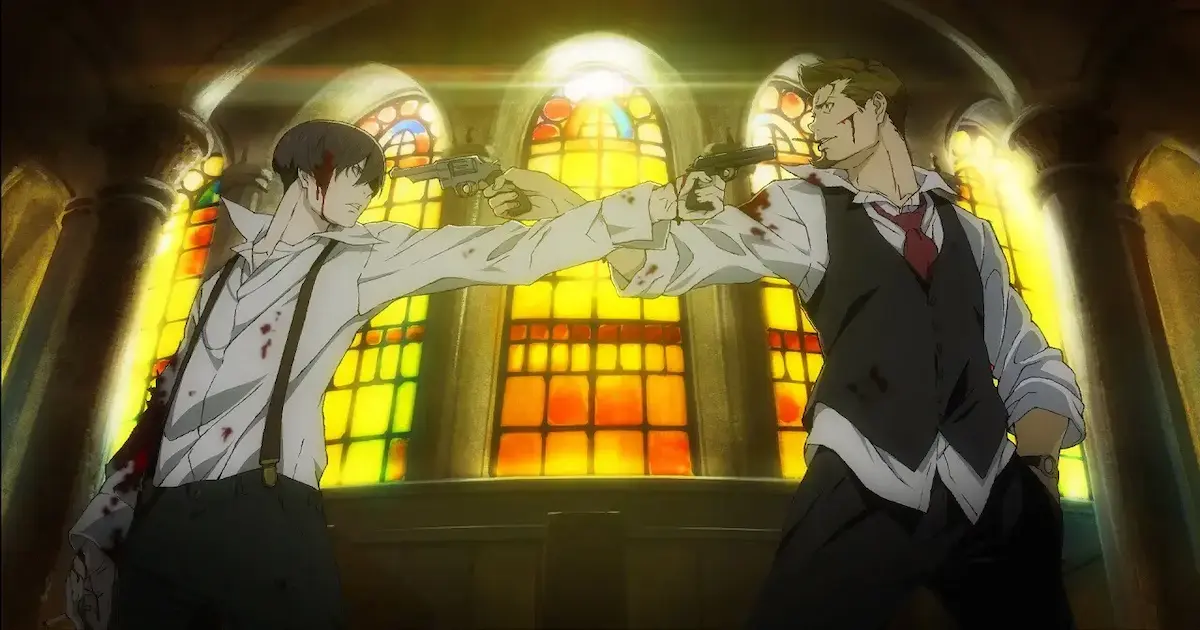
Set during the roaring 1930s in America, Baccano! is a legendary hidden gem that often repels casual viewers due to its incredibly chaotic narrative structure. The series intentionally shatters the timeline, jumping wildly between multiple years, locations, and a massive ensemble cast of over a dozen main characters. For the first few episodes, you will have absolutely no idea what is happening—and that is exactly the point.

The plot revolves around the brutal crossfire between warring mafia families, a gang of eccentric thieves, a psychopathic hitman, and an ancient elixir of immortality. Most of the narrative converges on a cross-country train ride known as the Flying Pussyfoot, which devolves into an absolute bloodbath. As the non-linear scenes begin to snap together like pieces of a puzzle, the sheer brilliance of the writing reveals itself. The seemingly random chaos is actually a meticulously crafted web of cause and effect.
Once the timeline clicks into place, Baccano! becomes one of the most stylish, hyper-violent, and immensely entertaining rides in anime history. Backed by a phenomenal, high-energy jazz soundtrack and featuring two of the most lovable, chaotic thieves ever written (Isaac and Miria), it is a masterpiece that demands your patience. If you can survive the initial confusion, you will be rewarded with a flawless mafia thriller.
Dorohedoro
Dorohedoro was a victim of both “Netflix Jail” and the anime community’s inherent bias against CGI animation. When the series dropped, many viewers instantly skipped it. Those who stayed discovered one of the most uniquely unhinged, grimy, and violently charming worlds ever constructed. The story takes place in the “Hole,” a decaying, dystopian slum where humans are frequently kidnapped and mutated by elite magic users from a parallel dimension.
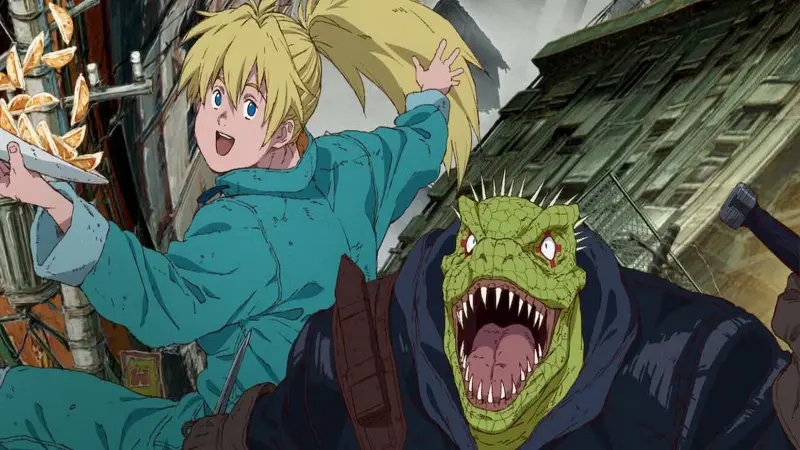
Our protagonist is Caiman, a towering, amnesiac man who has been cursed with the head of a reptile. He also happens to be completely immune to magic. Teaming up with his best friend Nikaido, Caiman ruthlessly slaughters magic users by biting down on their heads, allowing a mysterious face inside his throat to determine if they are the one who cursed him. It is incredibly weird, hyper-violent, and drenched in a punk-rock aesthetic.
The true genius of Dorohedoro is its masterful character writing. Despite the immense gore, decapitations, and brutal fight scenes, the cast is unbelievably wholesome. The “villains” (the magic users) are just as lovable, complex, and funny as the protagonists. You will find yourself rooting for a gang of mass murderers simply because they care so deeply about their found-family dynamics. It is a wildly entertaining, blood-soaked joyride.
Moriarty the Patriot
While the world has seen countless adaptations of Sir Arthur Conan Doyle’s work, Moriarty the Patriot executes a brilliant subversion of the lore: what if the infamous villain, Professor Moriarty, was actually the hero? Set in a beautifully rendered 19th-century British Empire, the anime completely flew under the radar of mainstream battle-shonen fans, quietly delivering one of the sharpest psychological thrillers of the decade.

The story follows William James Moriarty, a mathematical genius who despises the rigid, suffocating class system of Britain that allows the nobility to torment the lower classes without consequence. Operating from the shadows as a “crime consultant,” William orchestrates flawless, untraceable murders against corrupt aristocrats, striving to spark a revolution that will burn the social hierarchy to the ground. He is not a villain; he is a necessary, calculated evil.
The core tension of the series relies on the electrifying cat-and-mouse game between William and Sherlock Holmes. The writing is incredibly sharp, ensuring that both characters are operating at absolute peak intelligence. The intellectual warfare, the moral ambiguity of William’s crusade, and the sheer charisma of the cast make Moriarty the Patriot an absolutely essential watch for anyone who loves high-stakes mind games.
Golden Kamuy
Golden Kamuy is the ultimate textbook example of a masterpiece being ruined by a single bad first impression. During the first few episodes of Season 1, the studio used a jarringly bad CGI model for a wild bear. The internet mocked it relentlessly, and a massive portion of the seasonal audience dropped the show immediately. Those who stuck around were rewarded with one of the greatest, most unhinged adventure anime of all time.
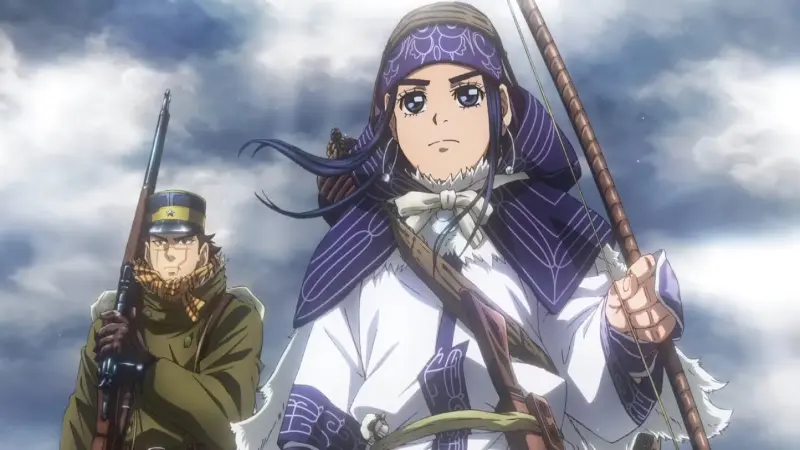
Set in the freezing, unforgiving wilderness of post-war Hokkaido, the story follows Saichi Sugimoto, a seemingly immortal war veteran, and Asirpa, a brilliant young Ainu girl. They form an unlikely alliance to hunt down a massive hidden stash of stolen Ainu gold. The catch? The map to the gold is tattooed across the bodies of 24 escaped, highly dangerous convicts. To find the treasure, they have to hunt down the prisoners and skin them.
The tone of Golden Kamuy is completely wild. In one episode, it will deliver a brutal, blood-pumping survival sequence against rogue military factions, and in the next, it will seamlessly transition into a wholesome cooking show detailing indigenous Ainu recipes. The character writing is phenomenal, featuring a cast of deeply flawed, chaotic, and lovable psychopaths whose shifting allegiances keep the plot incredibly unpredictable. It is a historical epic that deserves far more respect.
Link Click
The only reason Link Click is not universally hailed as one of the greatest animated shows on the planet is simply because it is a Chinese “Donghua” rather than a Japanese anime. Many die-hard anime fans bypassed it entirely due to the language barrier. If you are willing to overcome that minor hurdle, you will experience a time-travel thriller that confidently stands toe-to-toe with absolute giants like Steins;Gate.
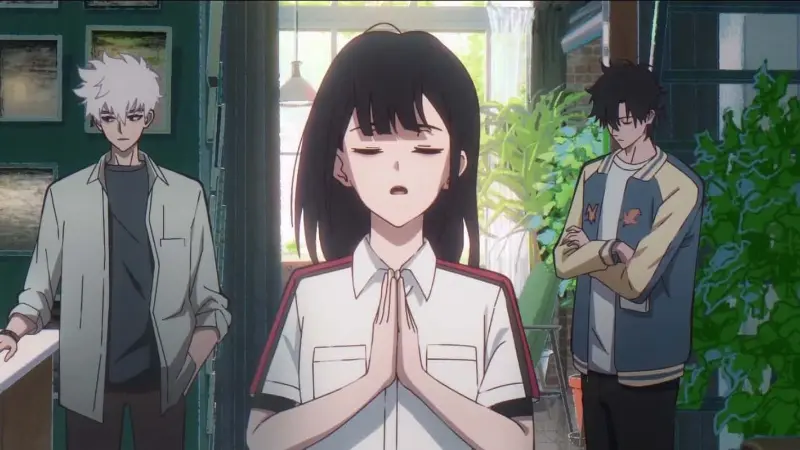
The premise is deeply original. Two friends run a small photography studio with a secret service: they can use photographs to travel back in time to the exact moment the picture was taken. Lu Guang can foresee the events that occurred within the photo, while Cheng Xiaoshi literally possesses the body of the photographer. Working via an intense telepathic link, they navigate the past to fulfill client requests—ranging from gathering corporate espionage to delivering final messages to dead loved ones.
The rules of their time travel are incredibly strict: they cannot alter the established future. However, as human emotions inevitably interfere, the consequences of their actions snowball into a terrifying, overarching murder mystery. Link Click is notoriously famous for executing some of the most brutal, jaw-dropping episode cliffhangers in animation history. It is emotionally devastating, visually stunning, and impossible to stop watching once the first twist hits.
Heavenly Delusion (Tengoku Daimakyo)
Heavenly Delusion is arguably the highest-quality anime production to ever be buried alive by “Disney Jail.” Because Disney acquired the exclusive global streaming rights and completely failed to market or simulcast the series efficiently, it generated almost zero traction on mainstream social media platforms. It is a profound tragedy, because Production I.G delivered a post-apocalyptic masterpiece that rivals the cinematic tension of The Last of Us.
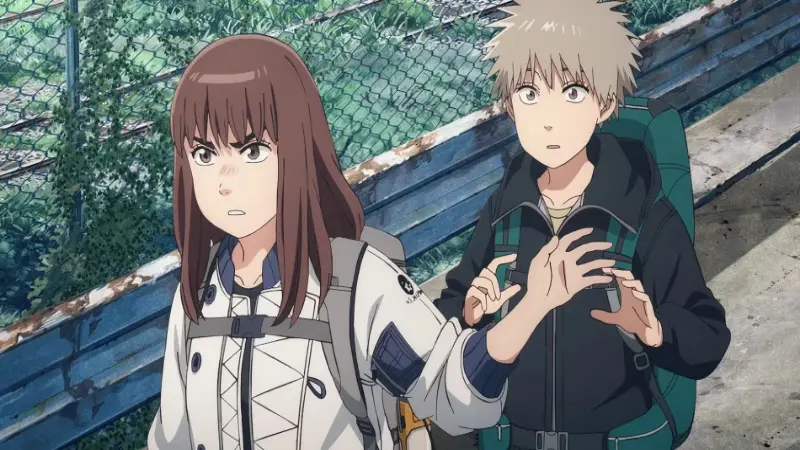
The series brilliantly juggles two seemingly disconnected narratives. In the outside world, Japan has been reduced to a devastated wasteland crawling with grotesque, man-eating monsters. We follow two teenagers, Kiruko and Maru, as they scavenge the ruins desperately searching for a mysterious place called “Heaven.” Meanwhile, hidden away behind massive walls, a group of unnaturally gifted children are raised in a sterile, utopian facility completely isolated from the horrors of the outside world.
The writing in this show respects the audience’s intelligence. It refuses to hand-hold or rely on cheap exposition dumps. Instead, the story unfolds through incredible environmental storytelling, forcing the viewer to piece together the horrifying connections between the children in the facility and the monsters roaming the wasteland. With breathtaking animation, intense survival horror elements, and deeply complex character relationships, Heavenly Delusion is a masterclass in world-building.
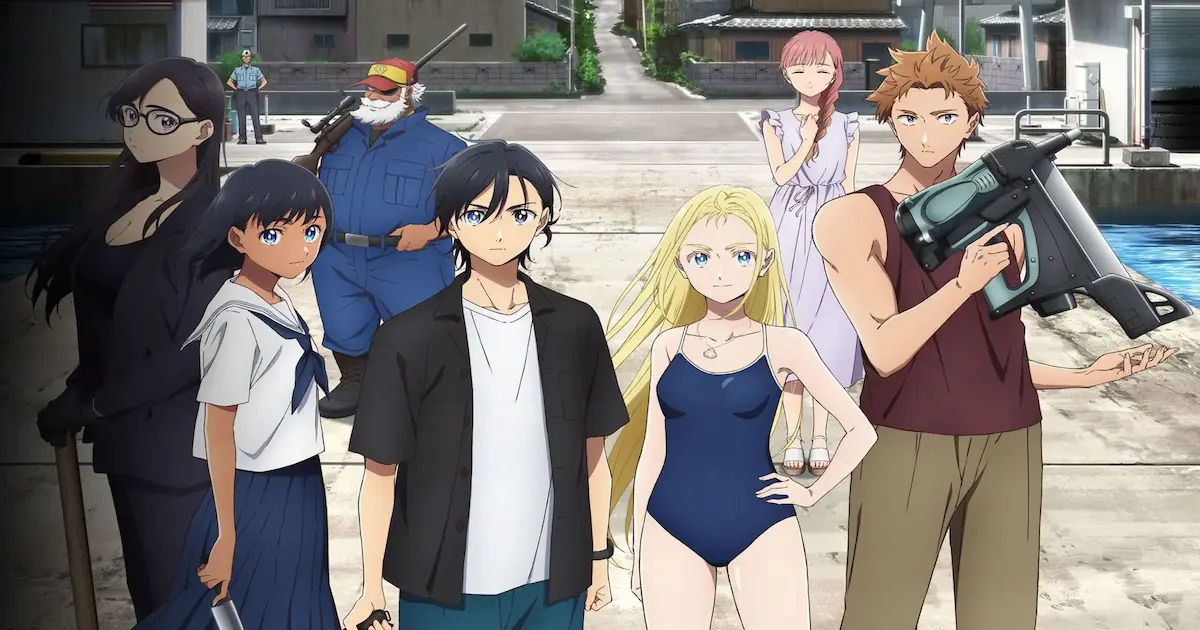
Summertime Render
Much like Heavenly Delusion, Summertime Render was a victim of Disney’s aggressive streaming exclusivity, trapping what should have been the anime of the year in complete obscurity. If you are a fan of high-stakes time loop narratives like Re:Zero or the atmospheric paranoia of Higurashi, this series will immediately become one of your all-time favorites. It is a relentless, 25-episode adrenaline rush that never takes its foot off the gas.
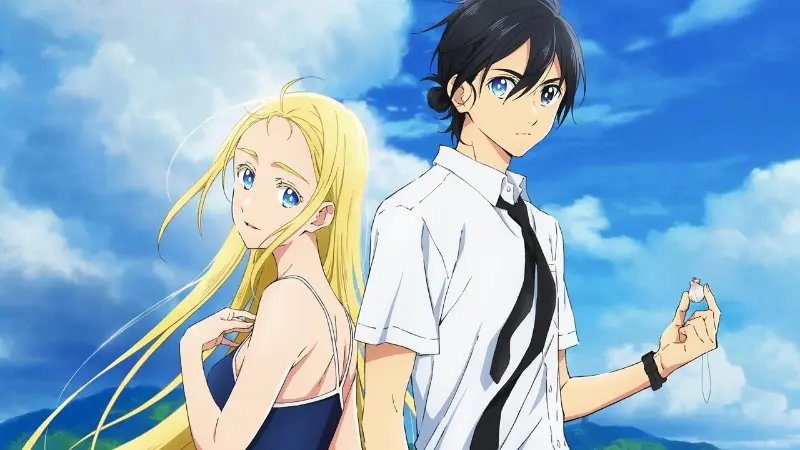
The plot kicks off when Shinpei returns to his remote island hometown to attend the funeral of his childhood friend, Ushio. He quickly discovers that her death was not an accident—she was murdered by a “Shadow,” a supernatural entity that perfectly copies a human’s appearance and memories before killing them to steal their life. Before Shinpei can act, he is brutally murdered. However, he instantly wakes up three days in the past, trapped in a lethal time loop.
What elevates Summertime Render to an elite tier of storytelling is the terrifying intelligence of its villains. The Shadows are not mindless monsters; they are highly coordinated and strategic. Furthermore, every time Shinpei dies and resets the loop, his “save point” pushes further forward in time, meaning he has a limited number of attempts before his death becomes permanent. The resulting cat-and-mouse game is brilliantly calculated and intensely thrilling.
Odd Taxi
There is no anime that defines the word “underrated” quite as perfectly as Odd Taxi. When promotional materials first dropped, the anime community collectively ignored it, assuming it was a childish, slice-of-life comedy due to its cast of anthropomorphic animals. That was a colossal mistake. Beneath the cute, cartoonish exterior lies a deeply cynical, incredibly gritty, Tarantino-esque crime thriller that boasts the tightest script in the entire medium.
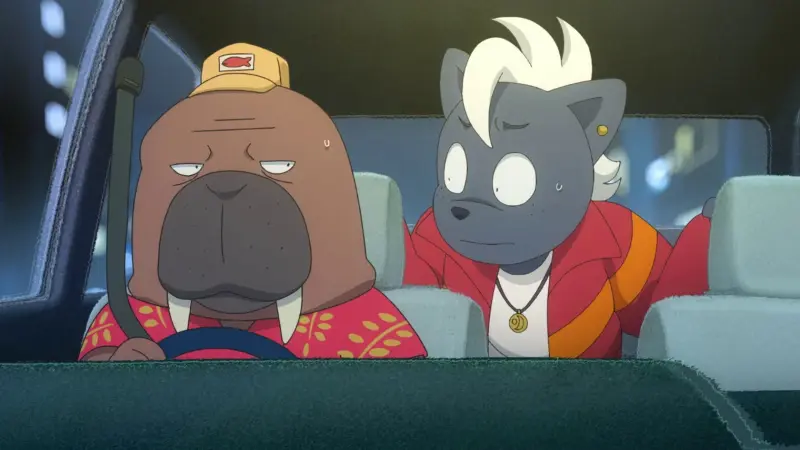
We follow Odokawa, a dry, middle-aged walrus who works as a taxi driver in Tokyo. His mundane nights are spent listening to the radio and chatting with his eccentric passengers. However, through seemingly disconnected conversations with an underground idol, a desperate idol fan, a viral social media teenager, and a corrupt cop, Odokawa inadvertently becomes the central hub in a massive, city-wide conspiracy involving a missing high school girl and the yakuza.
The brilliance of Odd Taxi lies in its details. Every single line of dialogue, every background news broadcast, and every minor character interaction serves a deliberate purpose in the overarching mystery. The writing is incredibly sharp, funny, and deeply human. When the final pieces of the puzzle snap into place in the last episode, delivering a plot twist that completely shatters the entire premise of the show, you will immediately want to rewatch it from episode one. It is a flawless masterpiece.
Discover the Unknown
Mainstream popularity is rarely an accurate metric for absolute quality. The shows on this list prove that incredible storytelling often thrives in the shadows, far away from the algorithms and the hype cycles. Whether you are untangling the chaotic timeline of Baccano! or having your mind completely shattered by the finale of Odd Taxi, these hidden gems offer a refreshing escape from the predictable.
If you are looking to expand your horizons even further, check out our deep dive into the Top 10 Psychological Anime. Need a break from the heavy narratives? Jump into the Smash or Pass global arcade and vote for your favorite obscure characters to bring them into the spotlight.
Which hidden gem deserves more hype?
Frequently Asked Questions
What is 'Disney Jail' in the anime community?
Is Link Click considered an anime if it is Chinese?
Why did people drop Golden Kamuy during Season 1?
Do I need to watch the original Sherlock Holmes to understand Moriarty the Patriot?
Why is Odd Taxi considered a masterpiece?
Rank Your Favorites
Take a break and play our interactive Smash or Pass games. Vote on your favorite anime characters, game characters, and idols to shape the global tier lists.


Join the Discussion (0)