Top 10 Best Anime Tournament Arcs
The tournament arc is the absolute beating heart of the anime medium. When executed poorly, it is a lazy narrative crutch used to pad out episode counts with meaningless, low-stakes sparring matches. But when executed with surgical precision, a tournament arc is a masterpiece of structural storytelling. It is the ultimate crucible that forces an entire cast of characters into a confined, inescapable space, stripping away their plot armor and demanding they prove their philosophical worth through sheer, unadulterated combat. It establishes the absolute power ceiling of the universe, introduces terrifying new rivals, and forces protagonists to completely shatter their physical and psychological limits just to survive the next round.
If you have explored our deep dives into the best elite hand-to-hand combat anime or analyzed the high-speed tactical warfare in our greatest sports championships list, you already understand the mechanics of a perfect showdown. The tension does not come from simply throwing a stronger punch; it comes from the grueling war of attrition. A true tournament arc is a grueling gauntlet where injuries carry over into the next bracket, where secret techniques must be strategically hidden from scouting opponents, and where the rules of the arena can be ruthlessly manipulated by those clever enough to exploit them.
From the blood-soaked, corporate arenas of underground gladiators to the deeply strategic, modern magical exams of immortal elves, these brackets represent the absolute peak of animated combat. Step into the arena and wait for the bell—here are the Top 10 best anime tournament arcs of all time.
Table of Contents
Ura Butou Satsujin / Urba Tournament
Kicking off the list is a foundational classic that heavily defined the 90s shonen tournament structure: the Ura Butou Satsujin from Flame of Recca. Organized by the sadistic, heavily funded antagonist Koran Mori, this illegal, underground martial arts tournament forces the protagonist, Recca Hanabishi, and his team of elemental warriors into a brutal gauntlet. Their primary motivation is not glory or a cash prize; they are fighting desperately to rescue Yanagi, a girl with profound healing abilities whose blood Mori intends to use for a twisted immortality ritual.
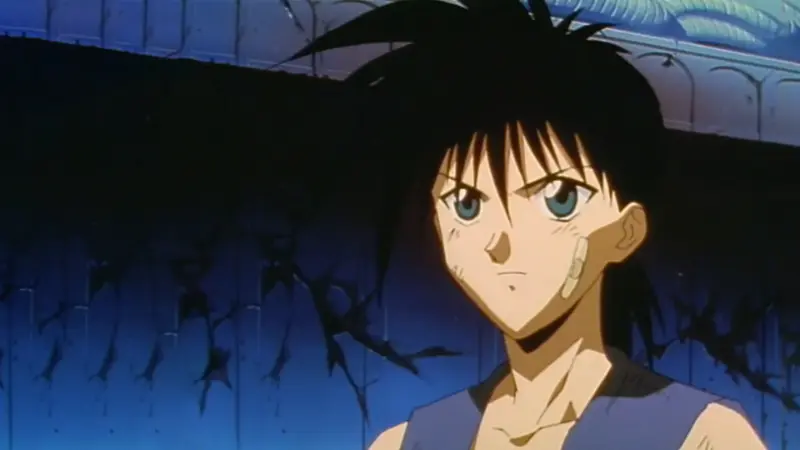
The combat in this arc revolves around “Madogu”—ancient, mystical ninja weapons that grant the user highly specific, lethal abilities, ranging from manipulating gravity and generating localized black holes to controlling plant life. What makes this tournament stand out is how fiercely unfair it is. The bracket is explicitly rigged against Recca’s team (Team Hokage). Mori frequently alters the rules mid-match, introduces highly dangerous environmental hazards into the arena, and deploys heavily augmented assassins specifically designed to counter the elemental affinities of the protagonists.
The pacing of the Urba Tournament is relentless, featuring intense, multi-episode showdowns that force the characters to utilize deep tactical synergy rather than just relying on raw power. Recca’s evolution during this arc—learning to communicate with and manifest the eight legendary flame dragons residing within his aura—is a spectacular display of progressive power scaling. It is a gritty, high-stakes battleground that perfectly encapsulates the desperate, survival-horror element of classic underground martial arts tournaments.
Ragnarok
If you want a tournament arc that completely bypasses earthly stakes and aims directly for the destruction of the universe, the Ragnarok tournament in Record of Ragnarok is an absolute masterclass in mythological hype. The premise is devastatingly simple: the pantheon of global gods has unanimously voted to completely eradicate humanity. To save their species, a Valkyrie named Brunhilde invokes the ancient law of Ragnarok, forcing the gods to participate in a 13-on-13 deathmatch bracket against the absolute greatest warriors in human history. The first side to secure seven victories decides the fate of mankind.
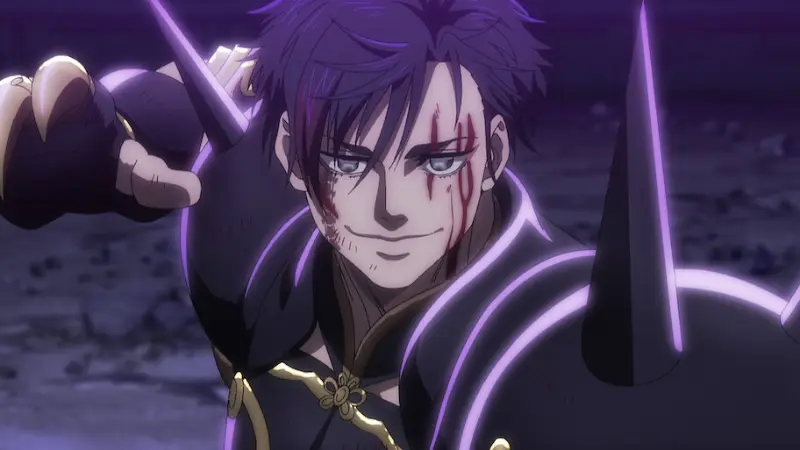
The battles in this arena are not standard martial arts matches; they are heavy, philosophical clashes of ideology. You have Thor, the Norse God of Thunder, trading apocalyptic blows with Lu Bu, China’s strongest vanguard. You have Zeus, the Godfather of the Cosmos, throwing punches that literally surpass the speed of time against Adam, the father of humanity, who fights armed with nothing but a pair of brass knuckles and pure, paternal love. The stakes are horrifyingly absolute: if a fighter is killed in this arena, their soul is completely erased from existence, denying them an afterlife.
The pacing of the series dedicates massive amounts of time to exploring the intricate, beautifully tragic backstories of both the gods and the humans during the fights. To level the playing field, the human fighters utilize “Völundr”—a technique where a Valkyrie physically transforms her soul into a divine weapon perfectly suited to the human’s fighting style. The sheer audacity of a human standing in a blood-soaked arena, staring a literal god in the face, and forcing them to bleed is what makes Ragnarok one of the most viscerally satisfying tournaments in modern anime.
Heaven's Arena
Most tournament arcs serve as the grand finale of a storyline, but Yoshihiro Togashi completely subverts this expectation with Heaven’s Arena. In Hunter x Hunter, this 251-floor skyscraper acts as a massive, vertically integrated combat tutorial. Gon and Killua enter the arena simply looking for a way to earn quick cash and get some combat experience. They effortlessly breeze through the lower floors, utilizing their immense physical strength to knock out seasoned martial artists with a single strike. However, everything changes when they reach the 200th floor.
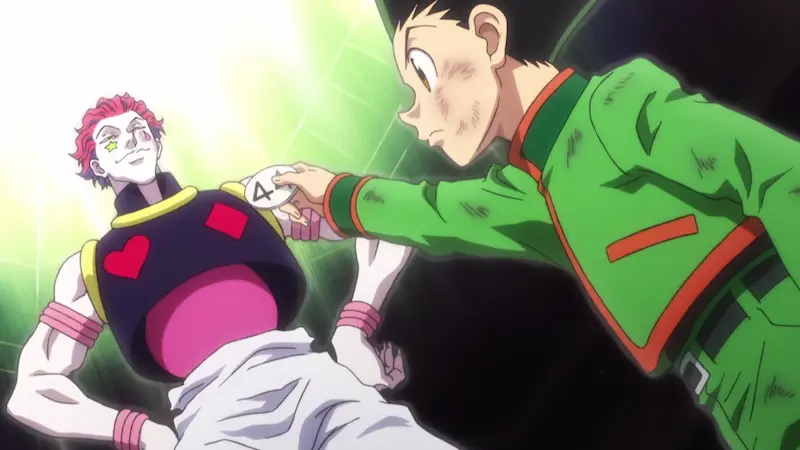
At the 200th floor, the tournament completely abandons physical martial arts and introduces the absolute core of the series: Nen. The boys are literally physically blocked from entering the hallway by the oppressive, terrifying aura of the magician Hisoka. They are given a strict deadline: learn the basics of Nen, or face permanent physical mutilation from the “baptisms” delivered by the veteran fighters. The tournament shifts from a standard fighting bracket into a high-stakes, extremely dangerous classroom where the protagonists must master complex aura nodes just to survive a three-minute round.
The genius of Heaven’s Arena is how it organically weaves complex exposition into the fights. The audience learns the intricacies of Ten, Zetsu, Ren, and Hatsu not through boring chalkboard lectures, but by watching Gon desperately try to apply the theories mid-combat against highly experienced Nen users. The arc culminates in a legendary, brilliantly animated showdown between Gon and Hisoka that focuses on the sheer psychological terror of fighting an opponent who is actively playing with his food. It is a structural masterpiece of world-building disguised as a tournament.
The B-Rank Wars
If you are exhausted by tournaments where the protagonist wins simply by screaming louder and relying on the “power of friendship,” the B-Rank Wars in World Trigger is your ultimate cure. This is not a standard battle shonen bracket; it is a highly regulated, intensely analytical military simulation that operates exactly like a high-tier esports tournament. The Border defense agency conducts these massive, multi-squad battles in completely destructible, simulated urban environments to determine which teams are promoted to the elite A-Rank tier for actual combat deployment.
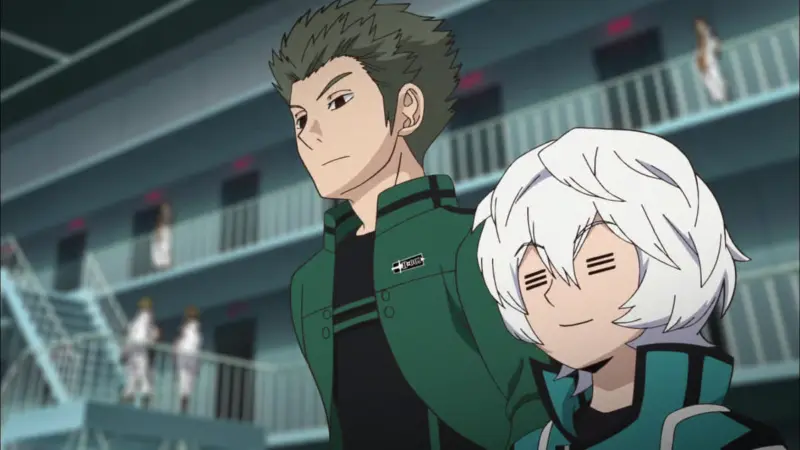
The combat in World Trigger is the most tactical, logic-driven system in anime. The characters use “Triggers” (weapons powered by a standardized energy called Trion) that grant them access to snipers, energy shields, heavy artillery, and mobility modules. However, because everyone uses the same standardized loadouts, victory relies entirely on flawless spatial positioning, trapping, baiting, and information control. A single sniper shot can completely alter the flow of a match, forcing teams to drastically recalculate their strategies in real-time.
The standout element of this arc is the protagonist, Osamu Mikumo. Osamu is notoriously weak; he possesses incredibly low Trion levels and loses almost every one-on-one fight he engages in. However, he acts as the brilliant tactical brain of his squad. Watching Osamu utilize complex wire-traps, environmental destruction, and psychological misdirection to manipulate vastly superior, overpowered opponents into the crosshairs of his ace attackers is incredibly satisfying. It is a brilliant, highly strategic tournament that rewards raw intellect over physical power.
First-Class Mage Exam
Modern anime rarely produces a tournament arc that feels completely fresh, but the First-Class Mage Exam in Frieren: Beyond Journey’s End executes a flawless subversion of the entire trope. Frieren, a thousand-year-old elven mage who literally defeated the Demon King decades ago, is forced to take a standardized, modern certification exam simply to gain the credentials required to travel through a restricted northern territory. She is placed in a competitive bracket alongside a new generation of brilliant, highly specialized human mages who view magic through a completely different, heavily academic lens.
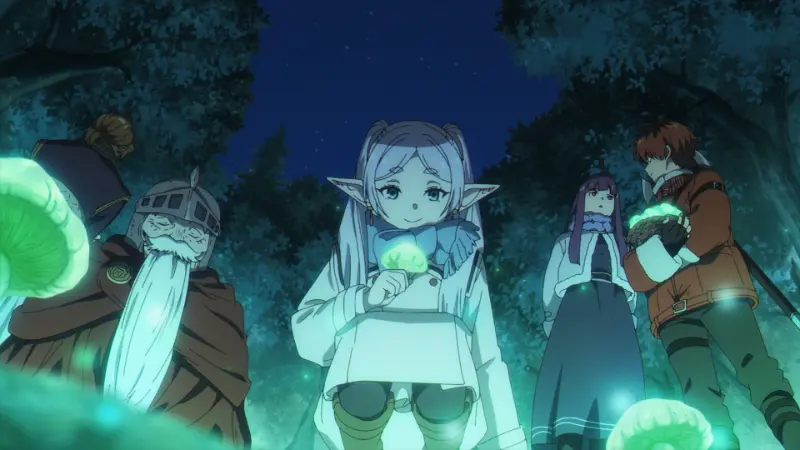
The exam is divided into terrifyingly lethal phases. The first phase requires capturing a microscopic, hyper-fast bird in a massive, monster-infested valley while fighting off rival teams. The second phase is a claustrophobic, survival-horror dungeon crawl where the mages must defeat perfect, soulless clones of themselves. The combat is not about shouting attack names; it is a meticulous, highly analytical breakdown of mana detection, elemental matchups, and the foundational visualization required to cast a spell. The mages win by exploiting microscopic flaws in their opponents’ defensive theories.
What elevates this arc to masterpiece status is how it explores the passage of time. Frieren is an ancient powerhouse, but the magic she used to defeat demons 80 years ago has been heavily analyzed, standardized, and integrated into the modern curriculum by humanity. Watching the new generation of mages—including her own apprentice, Fern—utilize hyper-efficient, rapid-fire modern casting techniques to counter Frieren’s overwhelming, classical mana pool is a brilliant exploration of how magic evolves over decades of peace. It is a stunning, beautifully animated intellectual gauntlet.
Battle City
Before the franchise became obsessed with motorcycles and interdimensional riding duels, Battle City set the absolute gold standard for trading card anime. Hosted by the wealthy, megalomaniacal Seto Kaiba, this tournament transforms the entirety of Domino City into a massive, unregulated combat zone. The rules of the tournament are completely revamped from the chaotic Duelist Kingdom era, introducing the much-needed Tribute system and, most importantly, the brutal ‘Ante’ rule: the loser of a duel must forfeit their absolute rarest card to the victor.
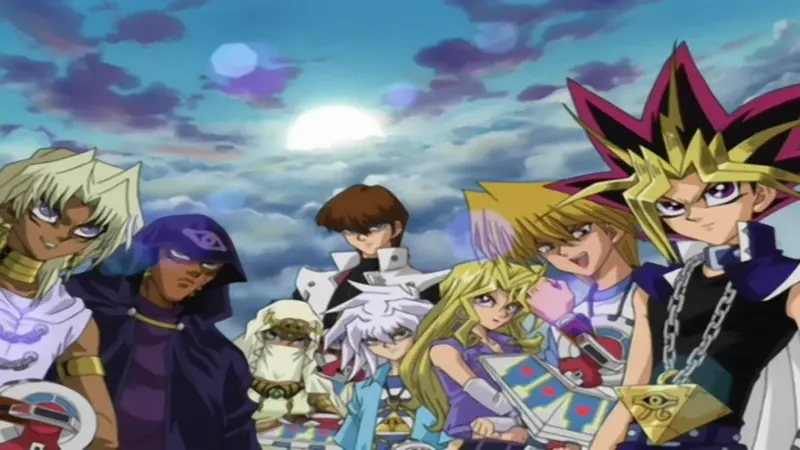
The stakes in Battle City are astronomically high. The tournament is quickly hijacked by Marik Ishtar and his cult of Rare Hunters, who utilize counterfeit cards, physical intimidation, and ancient Millennium Items to enforce horrific Shadow Games. Losing a duel in this arc does not just mean losing a card; it frequently results in the loser’s soul being banished to the Shadow Realm, or them suffering severe physical trauma from the holograms, which have been supernaturally weaponized to inflict real pain.
The defining feature of this tournament is the introduction of the Egyptian God Cards—Slifer the Sky Dragon, Obelisk the Tormentor, and The Winged Dragon of Ra. These massive, completely overpowered entities drastically shift the meta of the duels, forcing Yugi and Kaiba to construct highly complex, multi-layered strategies to outmaneuver opponents who can literally summon deities to the field. The final rounds, held atop a massive blimp in the sky, deliver some of the most iconic, psychologically intense card combinations in the history of the medium.
Kengan Annihilation Tournament
If you want a tournament arc entirely stripped of magical energy beams and focused purely on the agonizing, visceral reality of fractured bones and torn ligaments, the Kengan Annihilation Tournament is an absolute bloodbath. In this universe, massive mega-corporations do not settle their financial disputes in courtrooms; they hire elite underground gladiators to fight in unregulated, bare-knuckle matches. When the chairman of the Kengan Association steps down, a massive, island-wide tournament is held. The CEO whose fighter wins the bracket gains total, unchecked control over Japan’s entire corporate economy.
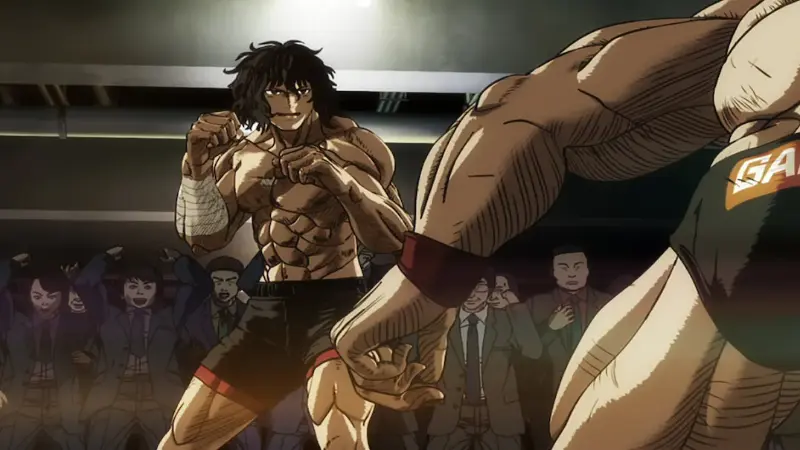
The sheer diversity of the combatants in this bracket is staggering. Every single fighter represents a highly researched, hyper-specialized discipline, ranging from Lethwei (Burmese bare-knuckle boxing) and Brazilian Jiu-Jitsu to professional wrestling and assassination-style finger conditioning. The tactical breakdowns mid-fight are phenomenal, explaining the biological physics behind grappling leverage, the devastating impact of a counter-hook, and the anatomical destruction caused by specific joint locks.
Because the tournament takes place over several days, the damage is cumulative. A fighter might win their first-round match, but they will enter the second round with shattered ribs and a torn meniscus, drastically altering their fighting style. The 3D CGI animation, while jarring at first, is absolutely essential here; it allows for incredibly complex, unbroken grappling exchanges and brutal ground-and-pound scenarios that traditional 2D animation struggles to maintain. It is a grueling, unapologetically violent masterpiece that perfectly captures the heavy impact of elite combat.
The 23rd Tenkaichi Budokai
Before the franchise escalated into intergalactic transformations and planet-destroying energy blasts, The 23rd Tenkaichi Budokai (World Martial Arts Tournament) served as the absolute, foundational blueprint for the entire battle shonen genre. Occurring at the very end of the original Dragon Ball series, this tournament marks a massive, permanent tonal shift. A heavily aged-up Goku returns from training with Kami to face off against Piccolo Jr., the reincarnated, malicious offspring of the Demon King Piccolo, who enters the bracket with the explicit goal of murdering Goku and conquering the planet.
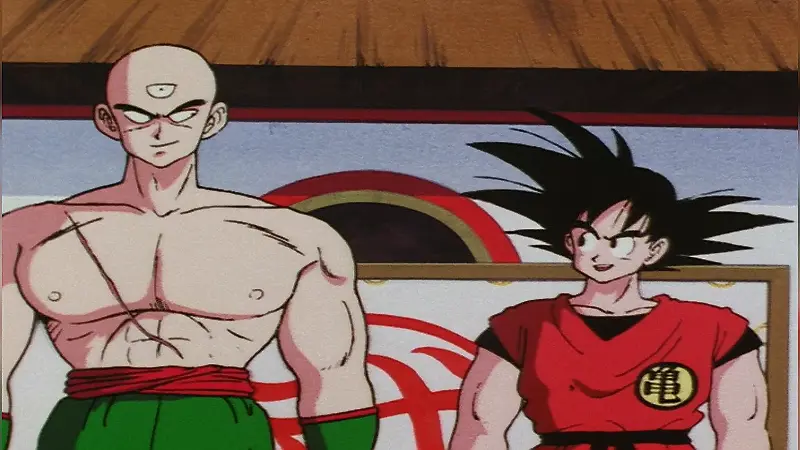
This arc introduced mechanics that are now considered absolute staples of the medium. This is the tournament that popularized the concept of characters dramatically removing heavily weighted training clothing to reveal blinding speed. It introduced sustained, mid-air aerial combat through the Bukujutsu (flight) technique, completely changing the spatial geometry of the martial arts ring. The choreography is highly grounded in physical martial arts, focusing on high-speed parries, brutal counter-kicks, and tactical ring-outs rather than just beam struggles.
The finale of this tournament remains one of the greatest, most brutal fights in the entire franchise. The battle between Goku and Piccolo completely destroys the arena and the surrounding landscape. Goku suffers catastrophic injuries, having his limbs broken and his shoulder pierced by a beam, forcing him to win the tournament through sheer, agonizing willpower and a creative use of flight. It is a masterful, historically significant arc that cemented Akira Toriyama as the king of combat choreography.
The Chunin Exams
There is arguably no tournament arc more iconic to the western anime fandom than The Chunin Exams in Naruto. This arc single-handedly transformed the series from a localized, character-driven story about a single ninja team into a massive, geopolitical epic. By inviting Genin (rookie ninjas) from rival, deeply hostile hidden villages to participate, the exams immediately establish a suffocating, incredibly dangerous atmosphere. These are not friendly sparring matches; these are proxy wars designed to show off military assets to wealthy feudal lords.
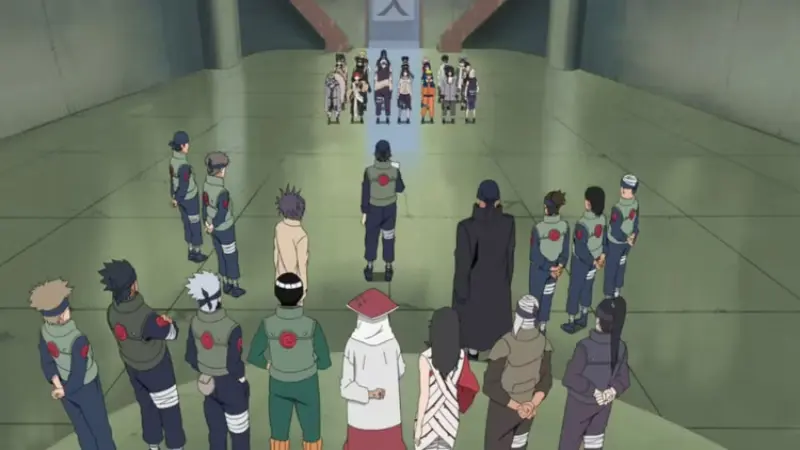
The structure of the exam is flawless. The first phase is a brilliant written test that completely subverts expectations by testing the Genin’s ability to gather intelligence and cheat without getting caught. The second phase, the Forest of Death, operates as a pure survival-horror gauntlet. The introduction of Orochimaru, a legendary, terrifyingly overpowered S-rank criminal who infiltrates the forest to place a curse mark on Sasuke, completely shatters the safety net of the tournament and establishes a massive sense of dread.
The absolute peak of the arc occurs during the preliminary one-on-one fights inside the tower. Stripped of massive elemental jutsu and forced to fight in a sterile, enclosed room, the characters rely on gritty, desperate hand-to-hand combat and psychological warfare. The battle between Rock Lee and Gaara—contrasting the absolute peak of hard, agonizing physical labor against raw, effortless genetic talent—remains one of the most perfectly animated, emotionally devastating fights in the history of the genre. The Chunin Exams are a masterclass in world-building and character development.
The Dark Tournament
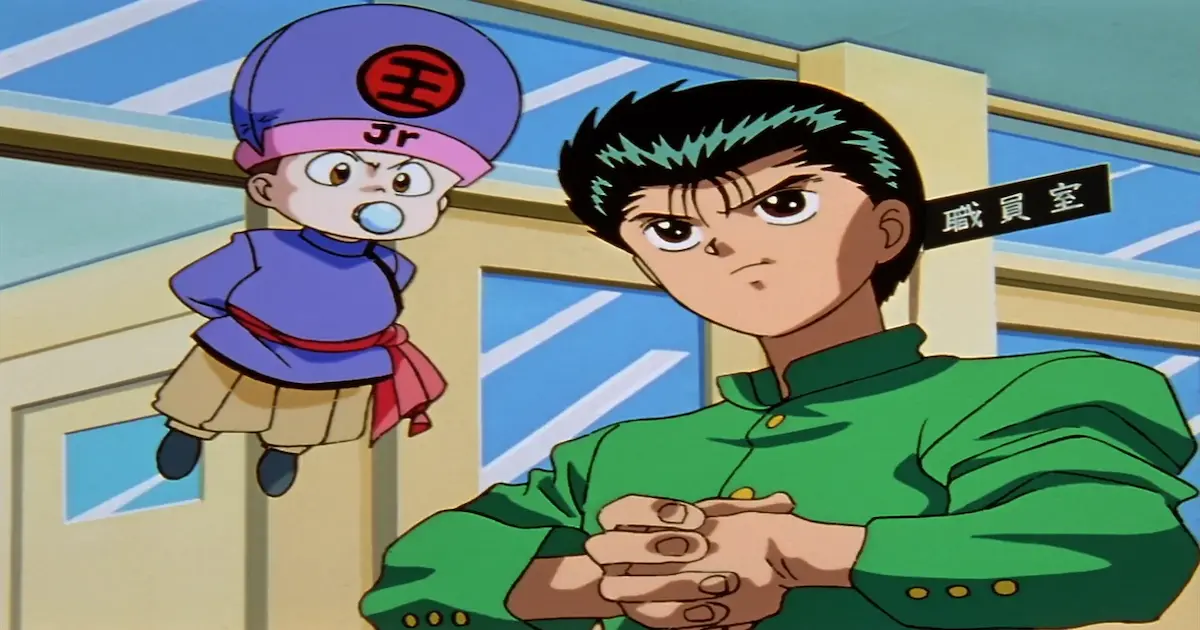
Sitting completely untouched upon the blood-stained throne of the genre is The Dark Tournament from Yu Yu Hakusho. Organized by a cabal of corrupt, billionaire humans who gamble on the lives of supernatural entities, this tournament forces Spirit Detective Yusuke Urameshi and his team to fight an agonizing gauntlet of demonic teams on a secluded island. If they refuse to participate, everyone they love in the human world will be immediately slaughtered. There is no prize money, and there is no glory; it is a 40-episode fight for pure survival.
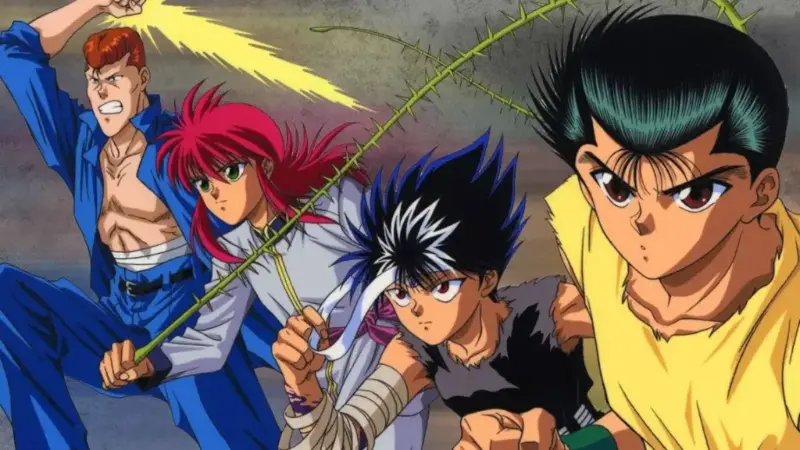
The bracket structure is punishingly unfair. The committee frequently alters the rules, traps team members outside the arena, and forces severely injured fighters back into the ring for back-to-back matches. The audience is comprised entirely of bloodthirsty demons actively trying to murder the protagonists between matches. The emotional stakes are raised significantly by the brutal training arcs hidden between the fights, particularly Yusuke enduring the excruciating pain of absorbing the Spirit Wave orb from his master, Genkai, which physically breaks his body.
However, what truly elevates this arc to the number one spot is the primary antagonist: Toguro. He is not just a muscular brute; he is a deeply complex, tragic mirror to Yusuke. A former human who sold his soul for absolute demonic power out of a twisted sense of guilt, Toguro forces Yusuke to completely confront his own weakness. The final match between the two pushes Yusuke to an emotional breaking point, forcing him to witness the death of a close friend just to unlock the raw, unadulterated grief required to unleash his full power. The Dark Tournament is the flawless, undisputed king of anime battle brackets.
The Final Bracket
A truly great tournament arc is far more than just a sequence of beautifully animated fights. Whether you are analyzing the highly tactical, esports-level positioning required to survive The B-Rank Wars, or completely losing your mind over the sheer, visceral emotional devastation of the Dark Tournament, these narratives represent the absolute structural peak of the medium. They force characters to confront their deepest psychological flaws, strip away their safety nets, and prove their worth in an arena where losing often means death.
If you have had your fill of structured brackets and want to see how these exact same martial arts philosophies apply to unstructured, lethal street brawls, you need to step out of the arena and into our breakdown of the best elite hand-to-hand combat anime. Alternatively, if the magical theory in Frieren caught your attention, dive into our Sci-Fi & Fantasy Hub for more complex, logic-driven magic systems.
But before you collect your prize money and leave the stadium, we need to know your survival strategy. Would you rely on raw physical training like Rock Lee, or the flawless tactical planning of Osamu Mikumo? Head directly over to the Smash or Pass global arcade right now. Drop your votes on your favorite tournament fighters, rate the most lethal ultimate techniques, and see exactly where your combat instincts rank against the rest of the community.
Which tournament bracket would you actually want to compete in?
Frequently Asked Questions
What makes a tournament arc so important in anime?
Why is the Dark Tournament considered the best of all time?
Does Hunter x Hunter's Heaven's Arena count as a real tournament?
Why is the First-Class Mage Exam in Frieren so highly rated?
How did the Chunin Exams change the Naruto franchise?
Rank Your Favorites
Take a break and play our interactive Smash or Pass games. Vote on your favorite anime characters, game characters, and idols to shape the global tier lists.
Join the Discussion (0)