Top 10 Greatest Sports Anime Matches & Championships
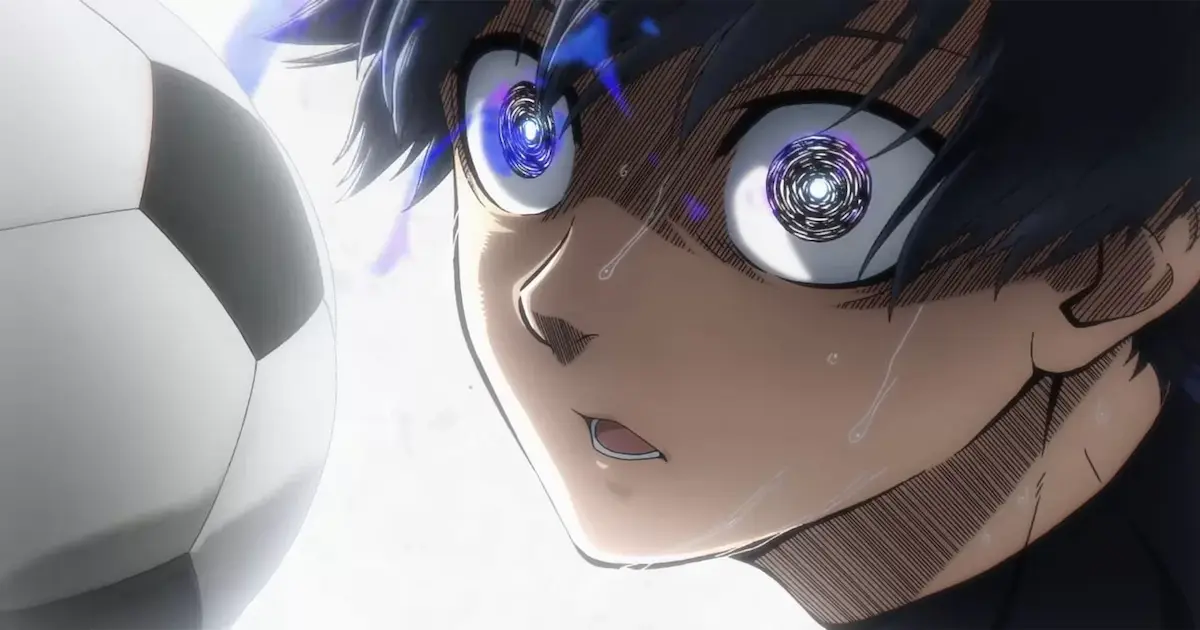
The true genius of a top-tier sports narrative does not lie within the rulebook of the sport itself. It is found in the volatile intersection of psychological desperation, ideological friction, and peak mechanical execution. When two elite forces clash at the absolute pinnacle of a tournament arc, the court, the field, or the ring ceases to be a simple playground. It transforms into an ideological battleground where years of unseen sacrifice, broken bones, and psychological trauma are weaponized into a singular, defining moment of athletic execution.
While standard action series often rely on external power scaling or supernatural plot armor to raise the stakes, the best sports entries achieve the exact same level of heart-pounding tension through entirely grounded human limits. If you look at our curated collections over on the Action Hub, the mechanics of a great fight sequence—pacing, reading an opponent’s rhythm, and breaking past physical exhaustion—are perfectly mirrored in elite athletic choreography. The only difference is that a missed strike does not result in a magical explosion; it results in a devastating scoreboard deficit that can instantly end a character’s lifelong dream.
From the hyper-stylized tactical warfare of modern soccer fields to the gritty, blood-soaked canvases of underground boxing rings, these specific encounters represent the absolute pinnacle of animated hype. These are the Top 10 greatest sports anime matches and championships of all time, where the line between triumph and complete athletic oblivion is razor-thin.
Table of Contents
Eve vs. Viper — The Underworld Elimination
Birdie Wing: Golf Girls’ Story takes the traditionally quiet, elite sport of golf and drags it kicking and screaming into the criminal underworld. The confrontation between the foul-mouthed mercenary golfer Eve and the sadistic Mafia enforcer Viper is the absolute peak of the show’s unhinged first half. Played on a highly illegal, dynamic underground course equipped with mechanized terrain shifts and artificial wind traps, this match strips away all traditional etiquette in favor of raw survival.
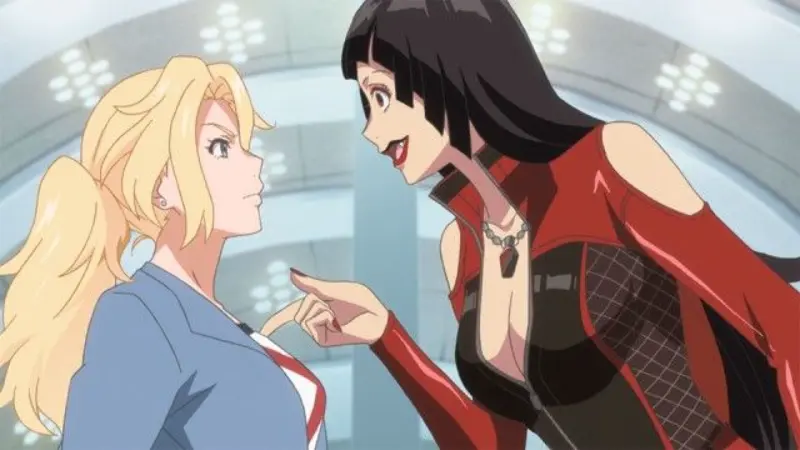
The strategic tension of this match relies on pure psychological intimidation and mechanical force. Viper utilizes a specialized, highly aggressive playstyle designed to physically and mentally break her opponents, using heavy, custom clubs to slice through the manufactured hazards. Eve, operating with her signature ‘Rainbow Shot’ style, is forced to calibrate her direct, high-velocity linear drives against a course that actively shifts layout mid-game. The stakes are completely cutthroat: if Eve loses, she forfeits her freedom to the local crime syndicate, rendering every single swing a literal fight for survival.
What makes this match exceptionally memorable is how seamlessly it blends high-octane absurdity with genuine mechanical focus. The visual direction treats golf balls like anti-tank armor-piercing rounds, complete with massive kinetic shockwaves and environmental destruction. It is a glorious subversion of the entire sports genre, proving that even a game of golf can carry the raw, unfiltered tension of a high-stakes action battle when the characters are betting their literal lives on the green.
Ashito Aoi vs. Funabashi Academy — The Eagle Eye Awakening
If you want a sports matchup that treats soccer like a highly complex, moving game of tactical chess, the battle between Tokyo City Esperion Youth and Funabashi Academy in Ao Ashi is an absolute masterclass. The encounter zeroes in on Ashito Aoi’s torturous transition from an chaotic, instinctual striker to a calculated, spatial-aware playmaker at Fullback. Facing off against Funabashi’s elite offensive line, led by the physically dominant national youth player Treipone, Esperion’s defensive unit is pushed to its absolute limits.
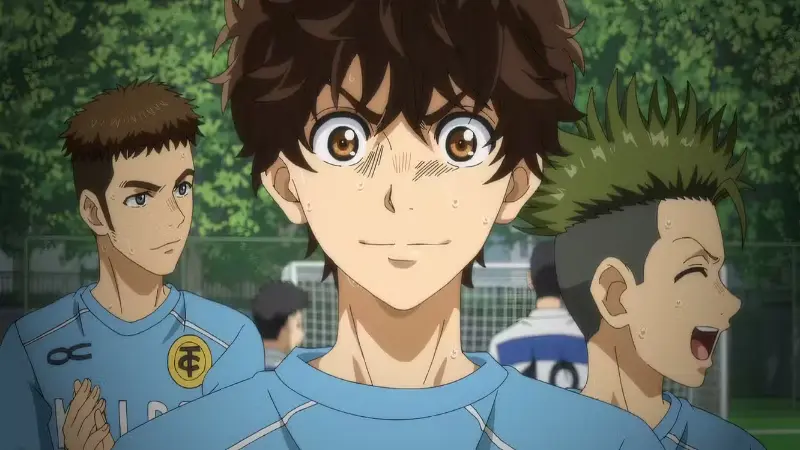
The match serves as a brutal exploration of spatial geometry on a football pitch. Funabashi utilizes an aggressive, high-pressing system that exploits any gap left by Esperion’s experimental line. Ashito is forced to activate his rare gift—an innate, top-down ‘Bird’s Eye View’ of the entire field—to predict running lanes before they physically manifest. The tension escalates as Ashito experiences severe cognitive overload, his brain burning through glucose as he calculates the trajectory of all twenty-two players simultaneously in real-time.
The climax of this match is intentionally bittersweet and deeply analytical. Rather than relying on a miraculous individual play, Ashito achieves complete synchronicity with his defensive line, orchestrating an intricate offside trap and transition system that entirely neutralizes Funabashi’s numerical advantage. The production values emphasize the heavy physical toll of high-level sports, showcasing the mud, sweat, and absolute exhaustion of a match fought entirely in the trenches of tactical positioning.
Chihaya Ayase vs. Shinobu Wakamiya — The Queen's Realm
Do not let the classical poetry theme deceive you; Chihayafuru treats Competitive Karuta with the ferocious visual language and pacing of an elite fighting game. The national tournament championship match between the ambitious protagonist Chihaya Ayase and the reigning, completely untouchable Karuta Queen, Shinobu Wakamiya, is a breathtaking exhibition of sensory perception and speed. Shinobu represents the absolute peak of isolationist genius—a player so fast and precise that the cards seem to fly into her hands without human movement.
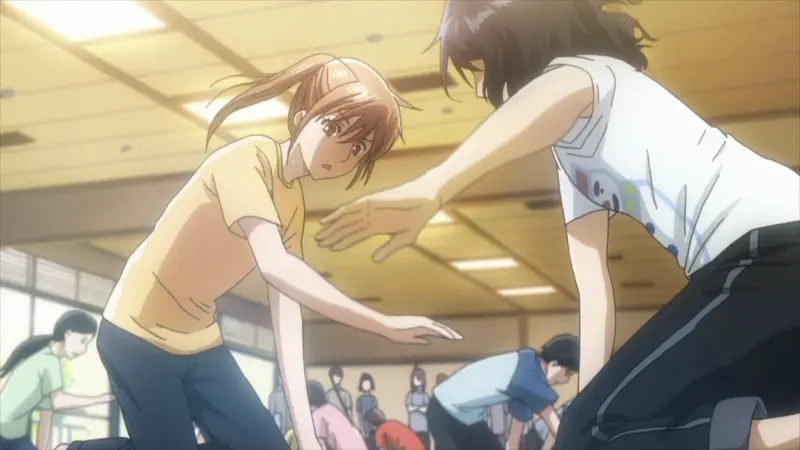
The strategic framework of this match revolves entirely around micro-auditory cues. The players must react to the precise syllable voiced by the reader, launching their hands across the tatami mat within milliseconds. Chihaya, recognizing she is vastly outmatched in raw speed, is forced to re-strategize her entire approach, shifting from linear lunges to a highly fluid defense based on the specific resonance of the poems. The psychological tension is palpable, with the internal monologues detailing the physical erosion of their fingertips and the intense focus required to monitor fifty cards simultaneously.
Madhouse’s direction elevates this sequence into an artistic masterpiece. Sound design takes center stage, intentionally dropping all background music to let the crisp snap of cards against the floor and the breathing of the competitors dictate the rhythm. When Chihaya manages to successfully take one of Shinobu’s signature cards, it feels like a literal god has been made to bleed, completely disrupting the Queen’s detached demeanor and setting up an iconic, multi-season competitive rivalry.
Langa vs. Adam — The Final Love Hotel Race
The final showdown in SK8 the Infinity between the prodigy Langa Hasegawa and the theatrical, dangerous founder of ‘S’, Adam, takes place on an abandoned, volcanic mountain path known as the Love Hotel course. Directed by Hiroko Utsumi at Studio Bones, this match functions as a highly stylized, emotionally supercharged downhill race where gravity is treated as a mere suggestion. Adam plays the role of a toxic mentor who views skateboarding as a destructive dance of dominance, whereas Langa represents the pure, untamed freedom of a snowboarder adapting to asphalt.
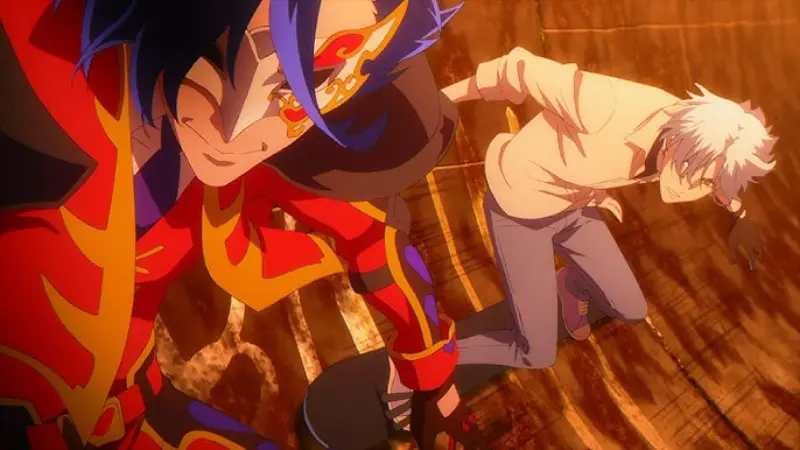
Tactically, the race is a brutal war of physical disruption. Adam regularly utilizes illegal, high-risk maneuvers like the ‘Love Hug’—a terrifying technique where he abruptly pulls his board uphill directly into the path of his opponent, forcing a catastrophic head-on collision or a wipeout at extreme speeds. Langa is forced to innovate on the fly, blending his high-speed snowboarding weight shifts with precise rail-grinds along the crumbling cliff edges to completely bypass Adam’s physical blocks.
Studio Bones pulls out all the stops for the animation tracking shots here. The cameras spin dynamically around the wheels, matching the blistering velocity of the descent while the environment blurs into a neon haze. The emotional payoff lands beautifully as Langa flatly refuses to succumb to Adam’s nihilistic style, instead using his absurd aerial rotations to remind his opponent of the raw, unadulterated thrill of the sport, concluding one of the most visually stunning races in modern anime history.
Team Vorpal Swords vs. Team Jabberwock — The Ultimate Revenge
Kuroko no Basket: Last Game serves as the absolute, explosive curtain call for the entire franchise. The match pits the assembled Generation of Miracles, alongside Kuroko and Kagami (forming Team Vorpal Swords), against Jabberwock, an incredibly arrogant American streetball team led by the sociopathic duo of Nash Gold Jr. and Jason Silver. Jabberwock treats basketball like a platform for utter humiliation, utilizing streetball tricks to mock their opponents and completely dismiss Japanese basketball infrastructure.
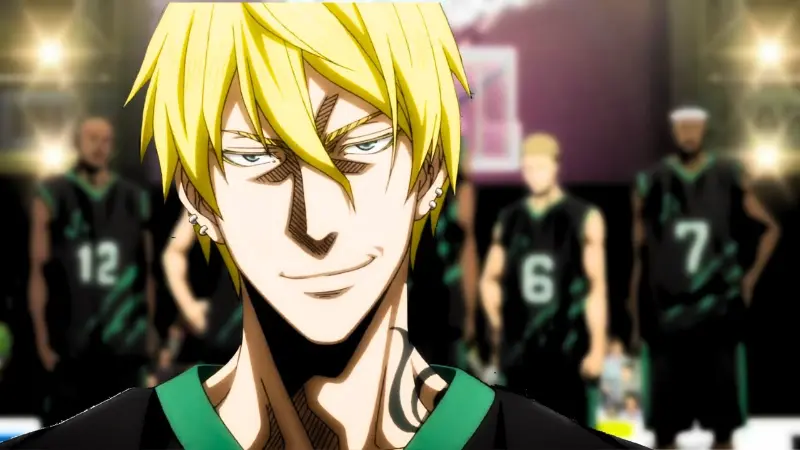
This match is an absolute showcase of high-tier power scaling. Jabberwock’s Jason Silver possesses a physical build that naturally outclasses even Murasakibara, while Nash Gold Jr. reveals the ‘Belial Eye,’ a terrifying visual ability that allows him to see the future movements of every single player on the court simultaneously. Vorpal Swords is forced to constantly rotate their strategies, leading to incredible team-ups like Midorima’s full-court precision shooting paired with Akashi’s tactical restructuring of the court space.
The final quarter is an intense barrage of animated spectacles. Every player is pushed past their absolute limits, forcing Kise to activate both the Perfect Copy and the Zone simultaneously, an exhausting combination that physically breaks his body before the final buzzer. The climax relies on Kuroko’s classic, invisible misdirection play style combined with Kagami’s massive aerial presence, culminating in a vicious, last-second dunk that delivers an incredibly satisfying conclusion to the series’ over-the-top universe.
The Hakone Ekiden: Shindo's Mountain Leg — The Pure Ascent
Unlike every other entry on this list, the fifth leg of the Hakone Ekiden in Run with the Wind is not defined by a flashy scoring play or a malicious rival. It is a quiet, profoundly devastating battle between a single human body and a massive, steep mountain incline. Shindo, the dedicated heart of the Kansei University track team, is tasked with running the grueling, freezing uphill mountain leg of the legendary relay race. The catch? On the morning of the race, he develops a severe, completely debilitating fever.
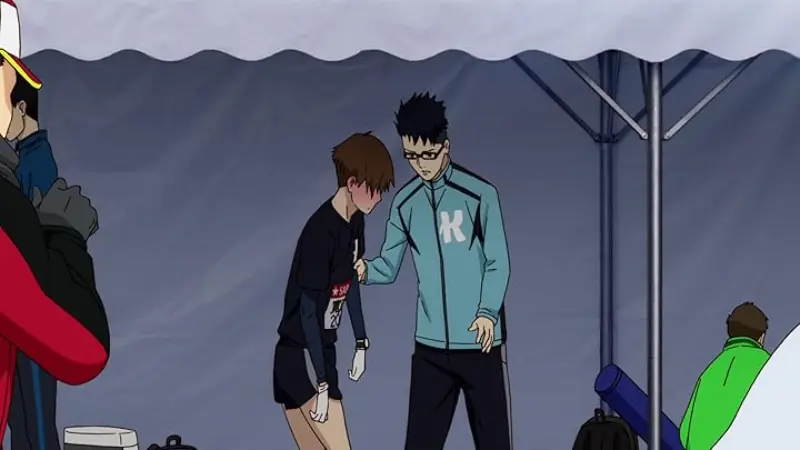
The strategic tension here is entirely internal and biological. Shindo cannot sprint; he has to carefully manage his rapidly dropping oxygen levels and burning muscles to prevent a total cardiovascular collapse on the incline. Production I.G masterfully conveys his warped perspective, utilizing a muted color palette and heavy, rhythmic breathing audio that completely replaces traditional commentary. His teammates can only watch in absolute agony from the sidelines as Shindo drags his unresponsive legs forward through sheer, unadulterated willpower.
This segment strips away the superficial glamour of competitive sports to expose its raw, painful core. Shindo does not secure a miraculous first-place finish; he actively loses positions, but his refusal to collapse ensures that the sash—the physical symbol of his team’s collective dream—is successfully passed to the next runner. It is an incredibly moving, raw depiction of human endurance that will leave you absolutely breathless and emotionally spent.
Gearless Joe vs. Yuri — The Bare-Knuckle Megalonia Final
Megalo Box, created to celebrate the 50th anniversary of Ashita no Joe, reaches its ultimate thematic destination in the Megalonia championship final. Throughout the entire tournament, the underdog Gearless Joe fought his way from the slums to the top tier without utilizing any ‘Gear’—the high-tech mechanical exoskeletons used to amplify a boxer’s power. His opponent, the champion Yuri, spent his entire career backed by the pinnacle of corporate technology, with specialized, state-of-the-art Gear fused directly into his nervous system.
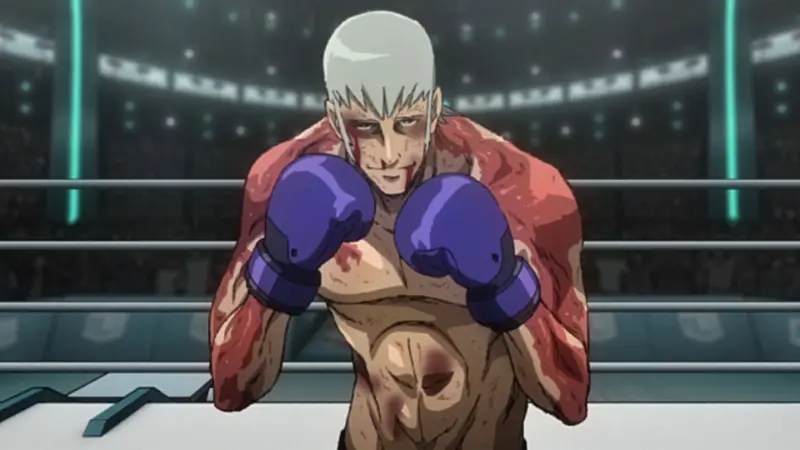
In an incredible act of competitive respect, Yuri undergoes an agonizing, surgical operation to completely rip the Gear from his flesh just days before the fight, choosing to face Joe on completely equal, organic human terms. The match functions as a brutal, slow-paced war of attrition. There are no supernatural powers or mechanical assists left on the canvas; it is just two heavily bruised, bleeding men exchanging raw, high-impact punches under the blinding arena spotlights.
The visual direction perfectly matches the gritty, old-school aesthetic, emphasizing the impact of every single jab and counter-hook with detailed sweat and blood spray. The music completely drops out during the final rounds, leaving only the dull, heavy thud of leather gloves hitting flesh. It is a stunning, beautifully executed testament to the raw essence of combat sports, where victory is measured entirely by a fighter’s ability to stand up one more time than his opponent.
Ippo Makunouchi vs. Ryuei Sawamura — Breaking the Anti-Dempsey
The featherweight title defense between Ippo Makunouchi and the sadistic, criminal counter-puncher Ryuei-Sawamura in Hajime no Ippo: Rising is an absolute masterclass in high-risk boxing geometry. Sawamura is a deeply unhinged fighter who views the boxing ring as an execution chamber, regularly utilizing illegal fouls, elbows, and blinding jabs to torturously dismantle his opponents. Most dangerously, Sawamura has completely cracked the timing of Ippo’s signature move: the rolling Dempsey Roll.
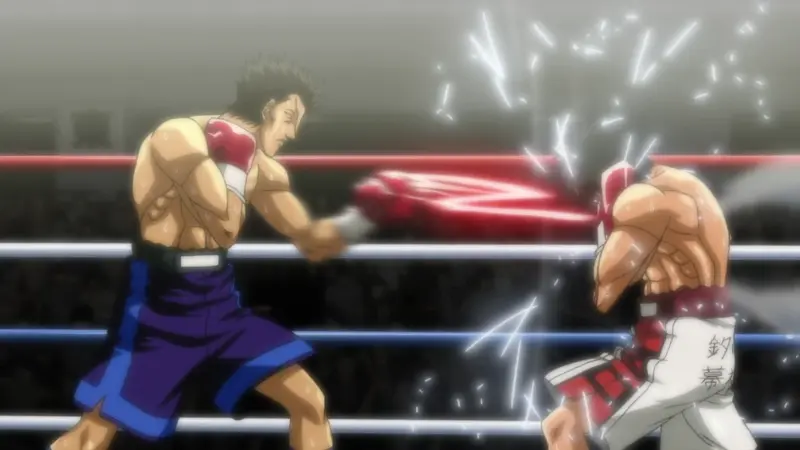
The strategic core of this match is terrifyingly precise. Because the Dempsey Roll relies on a predictable, figure-eight weaving motion, Sawamura can easily time a high-velocity counter-punch that would leverage Ippo’s own forward momentum to cause severe, potentially career-ending brain damage. Ippo is forced to execute an incredibly risky modification: stopping his rolling momentum mid-weave. This maneuver requires catastrophic levels of core and lower-body strength, forcing his knee joints to absorb multiple times his own body weight in a fraction of a second.
The animation details the horrific physical reality of this mechanical strain, showcasing Ippo’s muscles tearing under the pressure. The fight evolves into a frantic, high-speed game of chicken, where a single millisecond error means an instant knockout. When Ippo finally executes the Evolved Dempsey Roll—abruptly halting his rhythm to throw off Sawamura’s timing before launching a massive, multi-angle counter-combination—the resulting audio design sounds like an artillery shell detonating, delivering one of the most viscerally satisfying knockouts in all of anime history.
Karasuno vs. Inarizaki — The Spring Tournament Gauntlet
Spanning almost the entirety of Haikyuu!! To the Top, the second-round national match between Karasuno High and the tournament favorites, Inarizaki High, is an absolute monument to the sports genre. Inarizaki represents peak athletic adaptability, anchored by the legendary Miya Twins (Atsumu and Osamu), who can effortlessly copy Karasuno’s signature high-speed freak quick attack on their very first attempt. Backed by a massive, highly intimidating cheering section that actively disrupts Karasuno’s serving rhythm, the match feels like a hostile uphill battle from the first whistle.
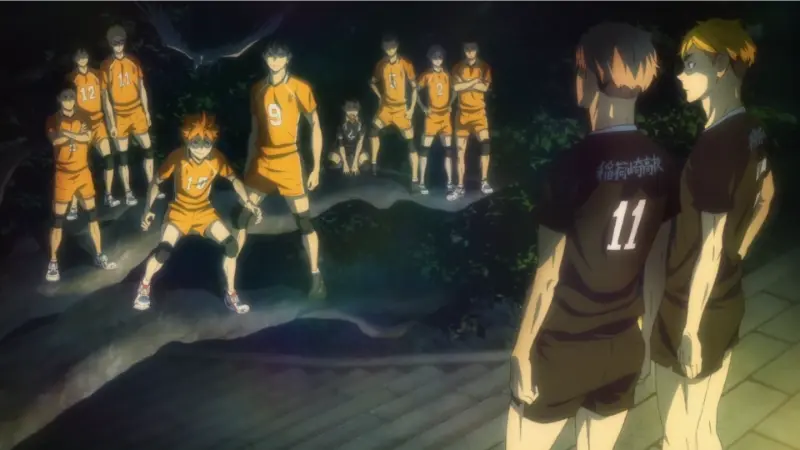
The tactical layers of this match are incredibly deep and complex. Karasuno is forced to systematically dismantle Inarizaki’s offense while managing the overwhelming presence of Aran, a top-five national ace who can easily spike directly over their highest blocks. The key defensive breakthrough comes from Shoyo Hinata, who undergoes a major paradigm shift. Moving away from his identity as a mere offensive decoy, Hinata uses his spatial tracking to execute a perfect, soft chest receive, stabilizing the entire team’s chaotic defensive pacing during a critical rally.
Production I.G delivers some of the most jaw-dropping, rotoscoped animation sequences ever produced for television. The camera regularly follows the ball’s trajectory in a single, unbroken shot, panning across the court to capture the defensive rotations, footwork, and setter choices in real-time. The final point is a breathtaking sequence of high-speed execution, where the Miya twins’ hyper-aggressive drive is completely shut down by an incredibly precise, synchronized block from Hinata and Kageyama, capping off an absolute tactical masterpiece.
Blue Lock 11 vs. U-20 Japan — The Death of Traditional Soccer
Standing firmly at the absolute summit of animated athletic warfare is the definitive clash between Blue Lock 11 and the U-20 Japan National Team. This is not a standard high school sports match; it is a high-stakes, multi-million dollar ideological war for the future of Japanese soccer. If Blue Lock loses, Jinpachi Ego’s revolutionary project is permanently dismantled, and every player’s dreams are ruined. If they win, they hijack the national team spots for themselves. It pits an entire lineup of hyper-aggressive, egoistic strikers against a traditional, defensively rock-solid national squad anchored by the genius playmaker Sae Itoshi and the physical beast Ryusei Shidou.
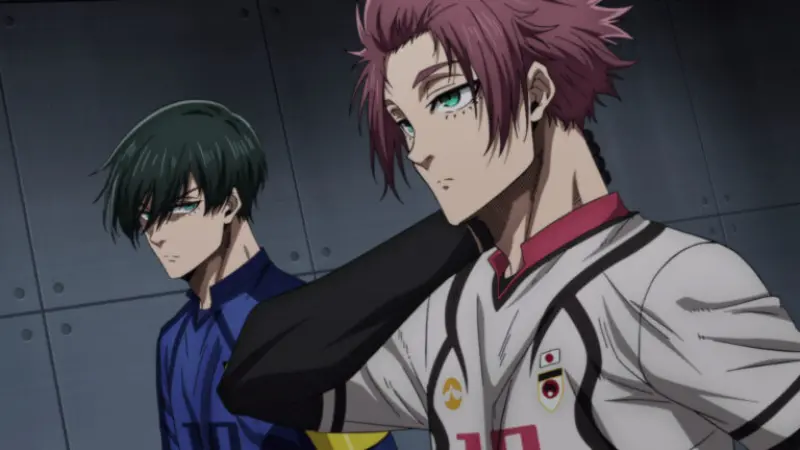
The strategic execution of this match is a thrilling display of continuous chemical reactions. Because Blue Lock lacks traditional defenders, they are forced to run a high-risk, hyper-offensive pressing system where every single player actively tries to steal the ball from their own teammates to score. The field becomes an unpredictable, chaotic battlefield of puzzle pieces, where players must enter the ‘Flow State’—a peak cognitive zone where their skills match the extreme challenge—to survive. The sibling rivalry between Rin and Sae Itoshi forms the dark emotional core, resulting in a series of breathtaking, one-on-one mechanical duels.
The visual direction scales up into absolute insanity, utilizing stylized dark ink trails, aura manifestations, and literal cracked glass effects to illustrate the players’ mental states. Isagi Yoichi’s ultimate, last-second positioning to read the absolute chaos of the box and deliver a flawless direct shot is the single most hyped moment in modern sports anime. It perfectly realizes the series’ core philosophy: the absolute destruction of a safe, collective system to give birth to a singular, world-class superstar.
The Final Whistle
The absolute adrenaline rush generated by these legendary sports anime matches is completely unmatched in the medium. Whether you are holding your breath during Isagi Yoichi’s last-second tactical reading in the U-20 stadium, or watching Hinata and Kageyama execute a flawless synchronized block against the Miya twins, these sequences prove that athletic competition can deliver the exact same emotional weight and peak kinetic hype as any high-tier battle shonen.
If you want to transition from the bright stadium lights into darker, more psychological arenas where characters gamble with their literal lives instead of points, be sure to head over to our Action Hub. You can explore some of our intense tactical breakdowns, or pivot over to the Tropes Hub to see how these same genius competitive mentalities translate to different genres entirely.
But before you head out, we want to know which match left you screaming at your screen the loudest. Do you side with the tactical egoism of Blue Lock, or does the raw human endurance of Karasuno take the crown? Head over to the Smash or Pass arcade right now to drop your vote, rate your favorite sports prodigies, and see where your hype levels rank against the rest of the global community.
Which match generated the absolute highest amount of raw hype for you?
Frequently Asked Questions
Why is the Blue Lock 11 vs. U-20 Japan match considered a turning point for sports anime?
Do you need to understand the rules of Karuta to enjoy Chihayafuru?
What makes the Karasuno vs. Inarizaki match stand out in Haikyuu!!
Is Gearless Joe vs. Yuri in Megalo Box a standard boxing match?
Why is Shindo's leg in Run with the Wind considered so legendary?
Rank Your Favorites
Take a break and play our interactive Smash or Pass games. Vote on your favorite anime characters, game characters, and idols to shape the global tier lists.
Join the Discussion (0)