Top 10 Best Deredere Characters in Anime
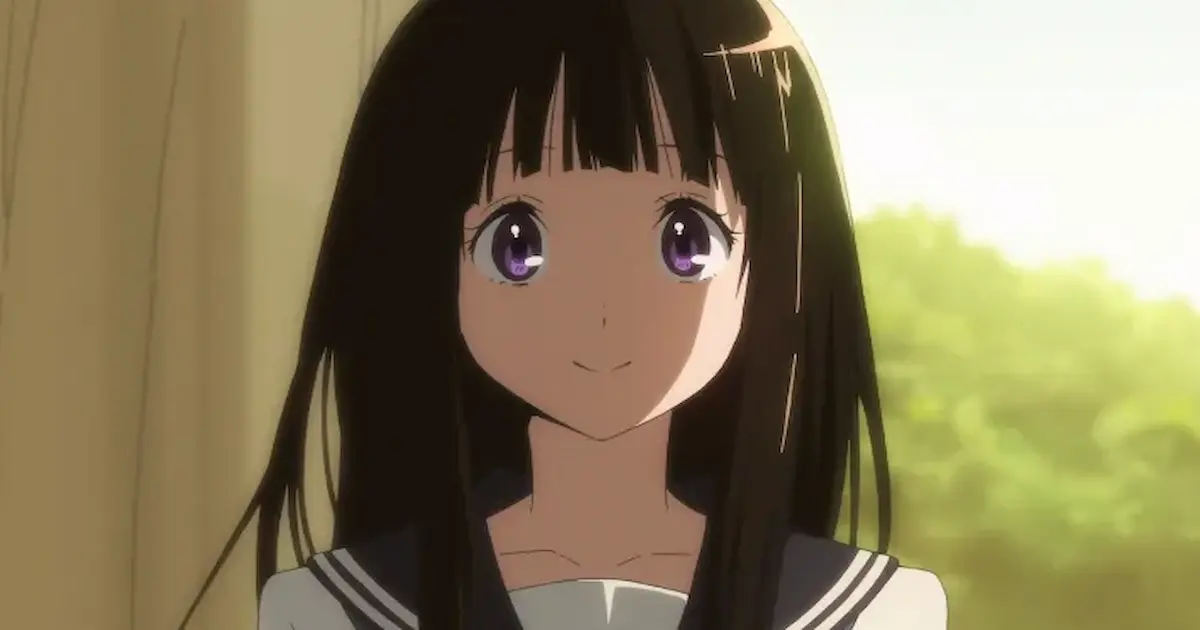
The anime landscape is absolutely dominated by complex, heavily armored romantic archetypes. We are constantly analyzing characters who weaponize their insecurities. Tsunderes use physical aggression and scathing insults to mask their vulnerability. Kuuderes construct impenetrable fortresses of freezing logic and emotional detachment. Danderes are paralyzed by crippling social anxiety. But what happens when you completely strip away the psychological warfare? What happens when a character looks at the protagonist and simply decides to love them unconditionally, flawlessly, and loudly from the very first frame of animation? Enter the absolute peak of romantic comfort: the deredere.
Deredere characters are the undisputed, god-tier green flags of the medium. As we have seen in our breakdowns of the best childhood friend romance anime and the best living together romance anime, there is a massive, unparalleled narrative satisfaction in a heroine who absolutely refuses to play mind games. These characters do not make you guess how they feel. They are relentlessly positive, fiercely supportive, and act as an unbreakable emotional anchor. They validate their partner’s weirdest hobbies, celebrate their smallest victories, and provide a desperately needed source of pure, unadulterated serotonin in a medium that frequently relies on agonizing, 50-episode slow burns.
We are leaving the toxic romantic battlegrounds behind. From literal, reality-bending goddesses whose sole desire is your absolute happiness, to hyper-modern cosplay queens who will aggressively hype up your niche talents, we are diving into the sweetest characters ever animated. These are the Top 10 best deredere anime characters in history, ranked by their unyielding positivity, their psychological warmth, and their status as the ultimate romantic green flags.
Table of Contents
Aries Spring - Astra Lost in Space
Kicking off our list is a character who proves that deredere energy is not just a romantic tool; it is a highly effective survival mechanism. Aries Spring from the brilliantly constructed sci-fi thriller Astra Lost in Space is introduced as a dizzying, airheaded optimist. With her distinctive pink hair, heterochromia, and a wildly endearing, unique laugh, she seems like a standard slice-of-life klutz who accidentally wandered onto a spaceship. However, when the crew is suddenly teleported thousands of lightyears from home into a lethal survival situation, her archetype is put to the ultimate test.
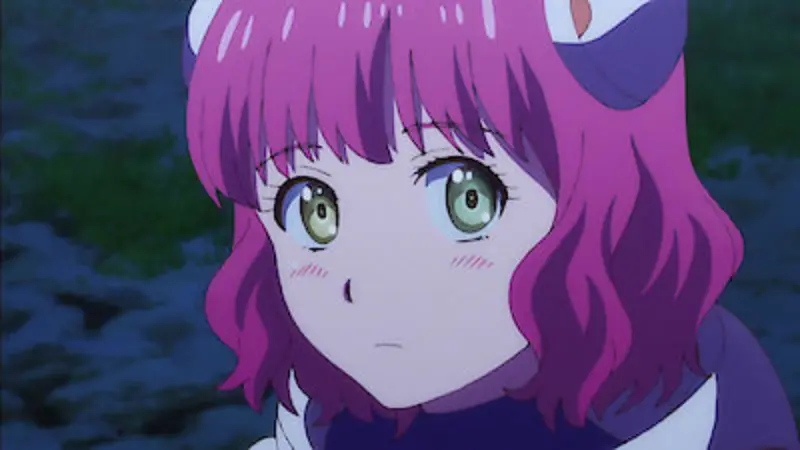
The brilliance of Aries’ character lies in her complete juxtaposition against the horrific reality of the plot. The crew is stranded, resources are critically low, and there is an active traitor trying to murder them all. In any standard psychological thriller, this environment breeds intense paranoia, aggression, and madness. Aries completely short-circuits this grim progression. Her unconditional affection for her friends, combined with her flawless photographic memory, makes her an absolute beacon of warmth. She refuses to let the crew descend into toxicity.
Aries represents the platonic peak of the deredere. While she certainly harbors sweet, blushing romantic feelings for Kanata, her primary function is being the emotional superglue of the ship. She treats every alien planet not as a terrifying hazard, but as a wondrous camping trip with her favorite people. Her relentless, pure-hearted optimism forces the cynical members of the crew to lower their defenses and actually trust one another, proving that sometimes, absolute sweetness is the most powerful weapon against the cold void of space.
Nyaruko - Haiyore! Nyaruko-san
If you want to take the deredere formula, inject it with pure adrenaline, and blast it into the stratosphere of absolute absurdity, you get Nyaruko from Haiyore! Nyaruko-san. On the surface, she appears to be a stunningly beautiful, silver-haired anime girl. In reality, she is Nyarlathotep, the legendary, mind-shattering “Crawling Chaos” from the Cthulhu Mythos. However, rather than driving humanity insane with her eldritch horror, she completely abandons her cosmic duties because she has fallen aggressively, obsessively in love with a completely normal high school boy named Mahiro.

Nyaruko flips the traditional, gentle deredere dial to maximum overdrive. Her affection is loud, chaotic, and completely relentless. Unlike human heroines who might show a modicum of restraint, Nyaruko is a hyper-active extraterrestrial stalker whose entire existence revolves around protecting, flirting with, and desperately trying to marry Mahiro. She operates at a constant 110% energy level, effortlessly dropping obscure otaku pop-culture references while simultaneously fending off other horrifying alien deities.
This anime is an absolute action-comedy masterpiece of the trope. The comedic dissonance is flawless: Nyaruko will violently and brutally dismantle an intergalactic threat using Space C.Q.C. (Close Quarters Combat) and a blood-stained crowbar, and then immediately spin around with a beaming, blushing smile to ask Mahiro for a kiss as a reward. She is the ultimate, hyper-exaggerated depiction of a heroine who will literally cross the universe and destroy cosmic pantheons just to cuddle with you on the couch.
Rinko Yamato - My Love Story!!
In a genre absolutely choked by predictable aesthetics, Rinko Yamato from My Love Story!! (Ore Monogatari!!) acts as a flawless, incredibly sweet palate cleanser. Standard shoujo romance dictates that the tiny, cute heroine must fall for the slender, brooding, incredibly handsome “prince” of the school. When the massive, muscular, and conventionally intimidating Takeo Gouda saves Rinko from a harasser on the train, the narrative sets up a classic misunderstanding. Takeo assumes she will fall for his highly attractive best friend, Sunakawa.
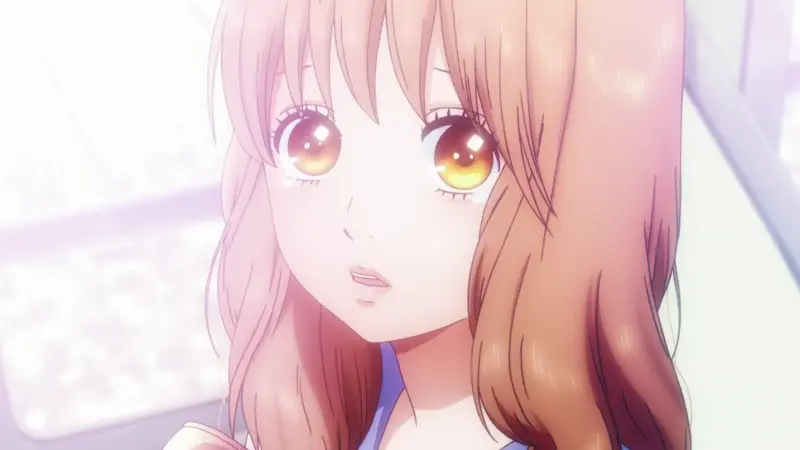
Rinko completely shatters this assumption with the force of a wrecking ball. She is not intimidated by Takeo’s massive frame or his intense, scary-looking face. She instantly recognizes him as a pure-hearted, deeply heroic protector and falls completely, overwhelmingly in love with him on the spot. From that moment forward, Rinko becomes the physical embodiment of a warm hug. There are no toxic rivalries, no agonizing 20-episode delays, and absolutely no manipulation.
She is the absolute definition of a green flag. Rinko spends the entire series baking intricate sweets, furiously blushing whenever Takeo does anything remotely cool, and actively pursuing him with an incredibly pure, straightforward affection. She actively works to ensure Takeo feels loved and desired, constantly reaffirming that she finds his massive, gorilla-like physique genuinely cool. In a landscape dominated by romantic angst, Rinko’s unwavering loyalty provides a flawlessly wholesome, sugar-sweet viewing experience.
Ochaco Uraraka - My Hero Academia
In the high-stakes, physically brutal world of modern battle shonen, the romantic interest is often relegated to the sidelines, existing only to be rescued. Ochaco Uraraka from My Hero Academia completely rejects this notion while maintaining a flawless deredere core. From the very first day at the U.A. entrance exam, when she casually uses her zero-gravity quirk to stop a painfully nervous Izuku Midoriya from face-planting onto the pavement, she radiates an infectious, overwhelmingly supportive warmth.
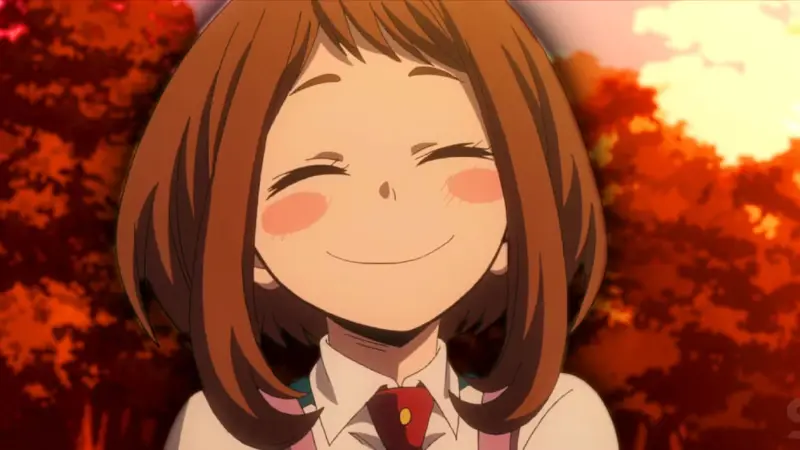
Ochaco’s deredere energy is not just a cute background detail; it heavily influences the fundamental narrative architecture of the protagonist. When Bakugo maliciously assigns Izuku the insulting nickname “Deku” (meaning useless), it is Ochaco who completely flips the psychological script. She tells Izuku with a massive, beaming smile that “Deku” sounds like the Japanese word for “You can do it!” Her pure affection literally redefines a term of intense bullying into the legendary moniker of the world’s greatest hero.
While her explicit romantic feelings are frequently put on the backburner for the sake of massive superhero wars, her underlying, unconditional support for Izuku never wavers. She actively seeks out grueling martial arts training under Gunhead because she wants to be strong enough to stand beside him, not just behind him. Ochaco proves that a deredere can be an absolute powerhouse on the battlefield—slamming villains into the concrete—while still maintaining the overwhelmingly sweet, encouraging core that defines the archetype.
Eru Chitanda - Hyouka
Eru Chitanda operates on a completely different frequency than most romance heroines. As the female lead of Kyoto Animation’s visually stunning Hyouka, her deredere energy is entirely channeled through one hyper-specific emotion: pure, unadulterated curiosity. The protagonist, Houtarou Oreki, is a master of the “energy conservation” lifestyle. He is deeply cynical, lethargic, and wants absolutely nothing to do with high school drama. The moment Chitanda locks onto him with her massive, sparkling purple eyes and delivers her iconic catchphrase, “I’m curious!”, his gray, boring world is completely shattered.
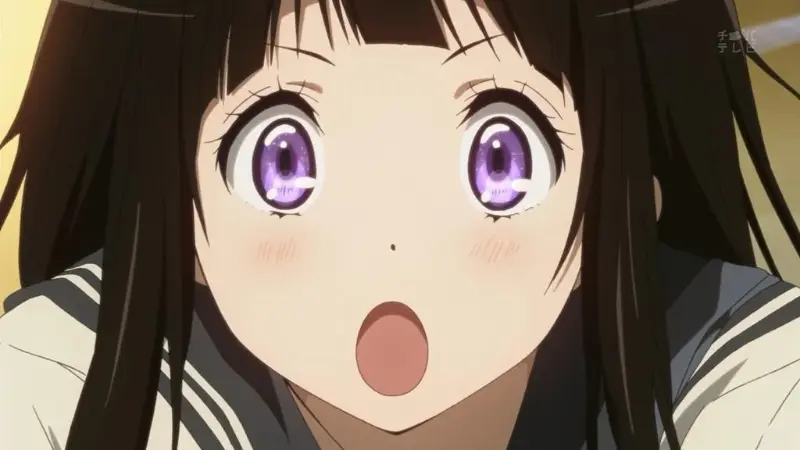
Kyoto Animation masterfully animates Chitanda’s physical proximity. When she wants to know something, she invades Oreki’s personal space with the innocent, overwhelming force of a natural disaster. Her affection is less about explicit, blushing romance and more about a profound, energetic fascination with Oreki’s brilliant intellect. She treats his deductive reasoning skills like actual magic, constantly hyping him up and refusing to let him rot away in his self-imposed, apathetic isolation.
She is the absolute perfect foil to a lethargic protagonist. Despite coming from a highly elegant, wealthy, and traditional farming family, Chitanda never exhibits a single ounce of arrogance or snobbery. Instead, she is endlessly enthusiastic about the mundane, everyday mysteries of the world. Her relentless positivity and elegant charm slowly, systematically drag Oreki out of his shell, making her one of the most uniquely captivating, intellectually stimulating deredere characters in slice-of-life history.
Meiko Menma Honma - Anohana
If you are looking for the most emotionally devastating, tear-jerking iteration of the deredere archetype, you will find it in Meiko “Menma” Honma from Anohana: The Flower We Saw That Day. Menma’s premise is inherently tragic: she died in a horrific accident when she was just a child. Years later, she returns as a ghost visible only to her deeply traumatized childhood friend, Jinta. Despite the passage of time and the heavy, crushing grief that has completely shattered her friend group, Menma appears exactly as she was: energetic, barefoot, and overwhelmingly joyful.
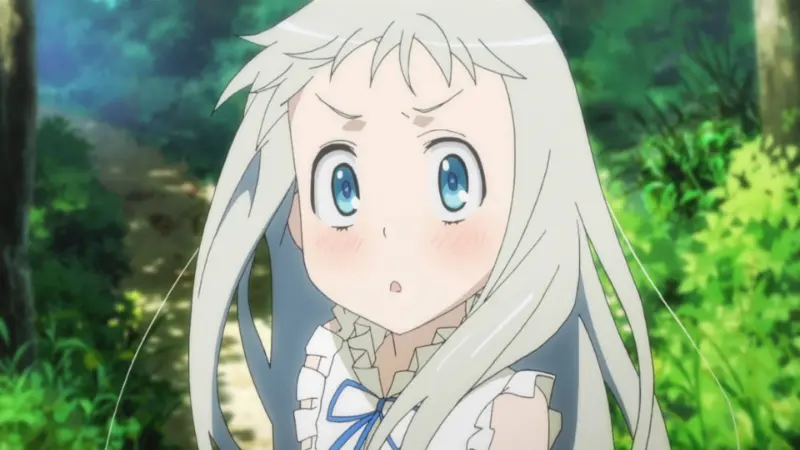
The psychological weight of her character is absolutely staggering. The Super Peace Busters (her friend group) have grown up harboring intense guilt, toxic resentment, and severe depression over her death. A lesser narrative would have the ghost return seeking vengeance or answers. Menma harbors absolutely zero resentment. She loves her friends unconditionally. Her sole, driving motivation is simply to fulfill a forgotten wish so that her friends can finally smile together and move forward with their lives.
Menma’s deredere nature is the literal, supernatural catalyst for the group’s healing. Her unwavering, innocent affection cuts through years of heavy, toxic trauma like a hot knife through butter. She refuses to let Jinta isolate himself, forcing him to reconnect with the world. When the sun finally rises in the legendary finale, and the tears inevitably fall, Menma solidifies her legacy as the purest, most emotionally wrecking embodiment of unconditional love ever put to screen.
Yotsuba Nakano - The Quintessential Quintuplets
In a deeply competitive harem warzone filled with massive egos, aggressive tsunderes, and icy kuuderes, Yotsuba Nakano from The Quintessential Quintuplets is the relentless, hyper-energetic engine of pure positivity. When Futaro Uesugi is hired to tutor the failing quintuplets, he is met with absolute hostility, sabotage, and disdain from almost every sister. Except Yotsuba. From the very first day, wearing her iconic green ribbon, she raises her hand with a massive smile and happily agrees to study, acting as Futaro’s sole emotional ally in a deeply hostile house.
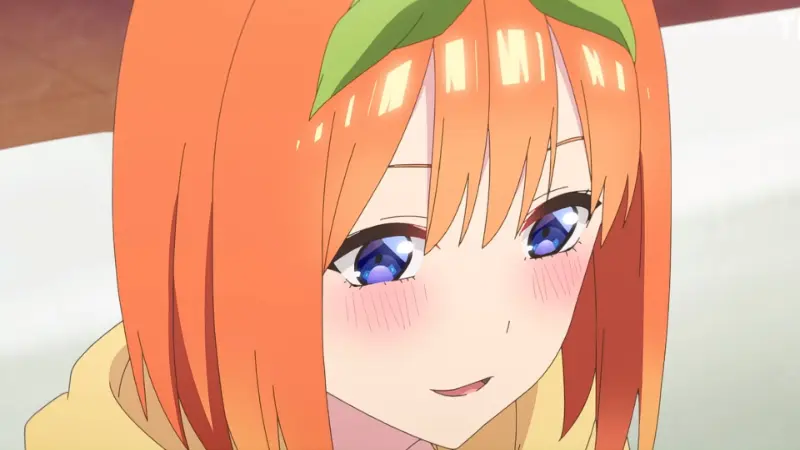
However, the absolute genius of Negi Haruba’s writing is that Yotsuba’s deredere exterior masks a profoundly complex, painfully self-sacrificing psychology. Her loud, cheerful support for Futaro is 100% genuine, but it also acts as a heavy psychological shield. Yotsuba operates on an extreme guilt complex regarding a past failure, deeply believing that she is the “dumb” sister who drags the others down. She aggressively prioritizes the happiness of her sisters and Futaro completely above her own, refusing to acknowledge her own romantic desires because she feels she doesn’t deserve him.
The narrative payoff with Yotsuba is astronomical. She completely deconstructs the “hyper-energetic airhead” trope, proving that the character who is always smiling is frequently carrying the heaviest emotional burden. When the series finally reaches its climax, it proves a deeply satisfying point: the girl who unconditionally supports the protagonist from the very beginning, who puts his success above her own without asking for anything in return, truly deserves to win. She is the ultimate, selfless green flag.
Orihime Inoue - Bleach
Orihime Inoue is the undisputed, foundational queen of the shonen deredere. In the heavily stylized, violently fast-paced universe of Bleach—a world completely defined by soul-crushing hollows, lethal swordsmanship, and massive power scaling—Orihime stands as the ultimate beacon of unwavering emotional support. Introduced as a quirky, bread-obsessed high school girl, her deep, unconditional love for Ichigo Kurosaki acts as the central emotional gravity that tethers him to his humanity when his hollow powers threaten to consume him.
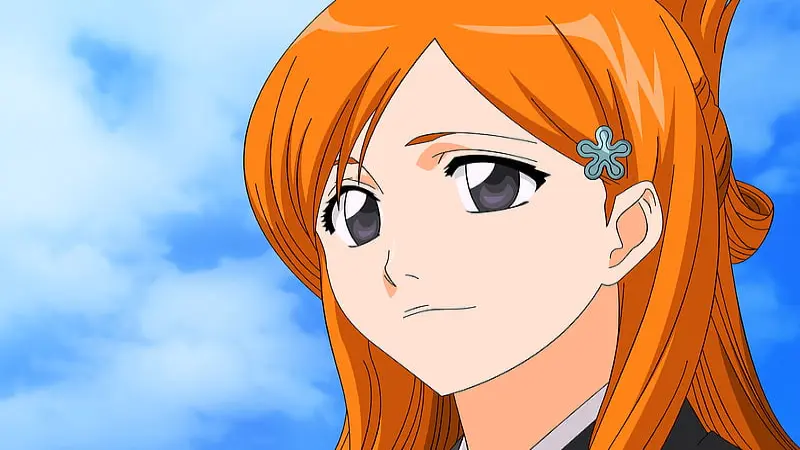
The brilliance of Orihime’s character design is that her literal combat abilities perfectly mirror her deredere personality. Her hairpins manifest the Shun Shun Rikka, a spiritual power that doesn’t just heal wounds; it literally “rejects reality,” reversing the space-time of a localized area to a state before the damage occurred. Her power is the absolute physical manifestation of empathy and protection. Even when kidnapped, dragged to the terrifying dimension of Hueco Mundo, and subjected to brutal psychological torture by the Espada, her faith in Ichigo’s victory never, ever shatters.
Historically, Orihime has faced unfair criticism from sections of the anime fandom who solely value offensive destruction. But her true, elite-tier strength is her immense emotional fortitude. The legendary scene before she leaves for Hueco Mundo—where she stands over a sleeping Ichigo, quietly confesses her profound love, and wishes she could live five different lives just to fall in love with him in every single one—remains one of the most beautifully tragic, heavily poetic deredere moments in the history of the medium.
Marin Kitagawa - My Dress-Up Darling
In the modern era of anime romance, no character has caused a more massive, seismic shift in popularity than Marin Kitagawa from My Dress-Up Darling. Marin entirely redefined the deredere formula for a new generation. On the surface, she fits the untouchable “gyaru” aesthetic perfectly: she is gorgeous, highly extroverted, heavily pierced, and universally popular. But beneath the makeup, she is an unapologetic, massive otaku who is aggressively obsessed with anime, erotic visual novels, and cosplay.
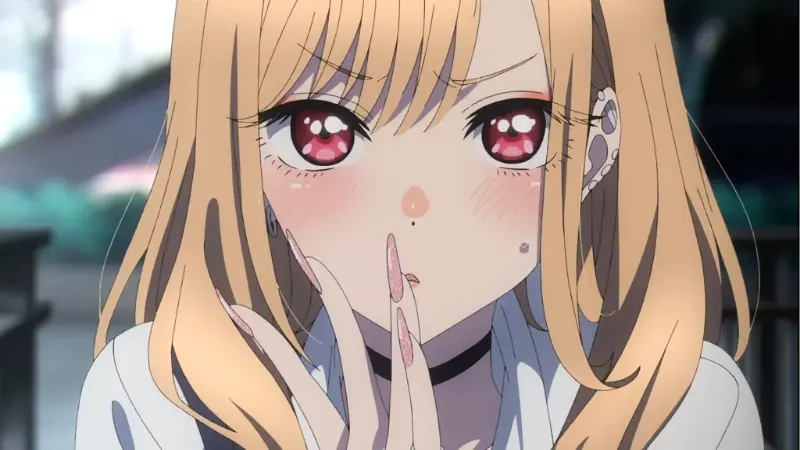
When Marin discovers that the quiet, socially isolated Wakana Gojo possesses elite sewing skills used for traditional hina dolls, she doesn’t mock him. She doesn’t find it weird. Instead, her eyes light up with pure reverence, and she practically worships his talent. Marin is the ultimate green flag because she entirely dismantles the toxic judgment of teenage social hierarchies. She defends Gojo’s passions with ferocious loyalty, violently shutting down anyone who dares to mock the things people love. She actively, forcefully pulls him out of his shell, dragging him into the vibrant world of cosplay.
The sheer, undeniable hype surrounding Marin comes from her absolute lack of romantic mind games. When she internally realizes that she has fallen head-over-heels in love with Gojo, she doesn’t deny it, blush out of anger, or hit him. She fully embraces the feeling with an overwhelming, giggling, kicking-her-feet level of excitement. She acts exactly how a healthy person acts when they fall in love. By validating his weirdness and hyping up his talents, Marin stands flawlessly as the absolute peak of modern, healthy romantic dynamics.
Belldandy - Ah! My Goddess
There can be absolutely no other character at the summit. Before the gyarus, before the magical girls, and before the modern harem boom, there was Belldandy from Kosuke Fujishima’s legendary Ah! My Goddess. She is not just a great character; she is the literal, divine blueprint for the entire deredere archetype. When ordinary college student Keiichi Morisato accidentally dials the Goddess Relief Agency and jokingly wishes for a goddess just like her to stay by his side forever, Belldandy accepts the contract with a warm, unwavering smile, changing anime history forever.
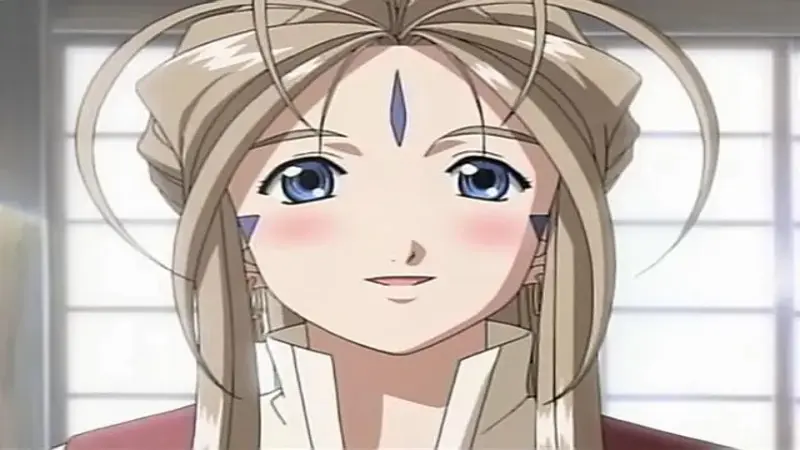
Belldandy’s affection is not a passing phase, nor is it a reaction to a specific heroic event; it is a fundamental, eternal state of being. She is a First-Class, Unlimited License goddess possessing terrifying, reality-bending magical power. Yet, she chooses to use her immense abilities primarily to cook warm meals, clean the house, and ensure that Keiichi is completely, unequivocally happy. She does not possess a single ounce of malice, she never throws toxic tantrums, and her patience with humanity’s flaws is literally divine.
For decades, the anime industry has relentlessly tried to replicate the absolute, pure-hearted perfection of Belldandy, but very few have ever come close. She is the ultimate, timeless comfort character. She represents the purest, most highly concentrated conceptualization of the deredere: a partner who loves you flawlessly, unconditionally, and eternally, without a single ounce of cynicism or deceit. Her unwavering loyalty and absolute sweetness make her the undisputed goddess of the green flags, forever holding the number one spot.
The Ultimate Green Flags
The sheer, undeniable power of the deredere archetype lies in its absolute rejection of cynicism. Whether you are watching Marin Kitagawa completely validate a socially anxious artist’s hidden talents, or tearing up as Menma offers absolute, unconditional forgiveness from beyond the grave, these characters prove that unwavering kindness is an unstoppable narrative force. They refuse to play the psychological games that drag other romantic series down into toxicity, offering a desperately needed breath of fresh, relentlessly positive air.
If you want to see how these overwhelmingly positive characters interact when the stakes are suddenly raised to terrifying, life-or-death scenarios, you need to seamlessly pivot to our deep dive on the best survival death game anime. Or, if you are looking for a complete, 180-degree tonal shift into protagonists who actively despise everyone around them, check out our ranking of the best villain anime protagonists. The psychological contrast is massive.
But before you log off and embrace the positivity, we need to know your ultimate allegiance. Are you submitting to the hyper-modern, cosplay-obsessed hype of Marin, or are you praying to the classic, divine loyalty of Belldandy? Head over to the Smash or Pass global arcade right now. Drop your votes on your favorite pure-hearted heroines, rate their emotional green flags, and see where your top deredere ranks among the rest of the community.
Which deredere's unconditional love makes them the ultimate green flag?
Frequently Asked Questions
What does the term deredere actually mean in anime?
Why are deredere characters often referred to as the ultimate green flags?
What is the difference between a deredere and a dandere?
Are deredere characters only found in romance anime?
Can a character start as another archetype and evolve into a deredere?
Rank Your Favorites
Take a break and play our interactive Smash or Pass games. Vote on your favorite anime characters, game characters, and idols to shape the global tier lists.
Join the Discussion (0)