Top 10 Psychological Anime to Mess With Your Mind (2026)
While action anime gets your blood pumping and horror anime makes you jump, a truly great psychological anime does something far more insidious: it implants an idea in your head that you cannot shake. These are the series that challenge your worldview, blur the line between right and wrong, and force you to analyze the darkest corners of human nature.
Unlike shows that rely on visceral shock value, the psychological genre thrives on tension, high-stakes mind games, and existential dread. It requires the viewer to actively participate in the narrative, piecing together fragmented timelines, untangling the webs of unreliable narrators, and questioning the very fabric of the characters’ realities. In 2026, the demand for mature, intellectually stimulating narratives is higher than ever, and the anime industry has delivered masterful adaptations and original stories that push the boundaries of the medium.
If you are tired of predictable tropes and want a narrative that will actively test your intellect and leave you staring blankly at the ceiling long after the credits roll, this list is for you. Here are the Top 10 psychological anime that will absolutely mess with your mind.
Table of Contents
Boogiepop Phantom
Boogiepop Phantom is not an anime you simply watch; it is a puzzle you have to actively assemble. Set in a bleak, desaturated Japanese city shortly after a mysterious pillar of light illuminates the sky, the narrative revolves around a series of bizarre disappearances and the urban legend of Boogiepop—a phantom said to take the lives of those who have reached their peak beauty before they can turn ugly.
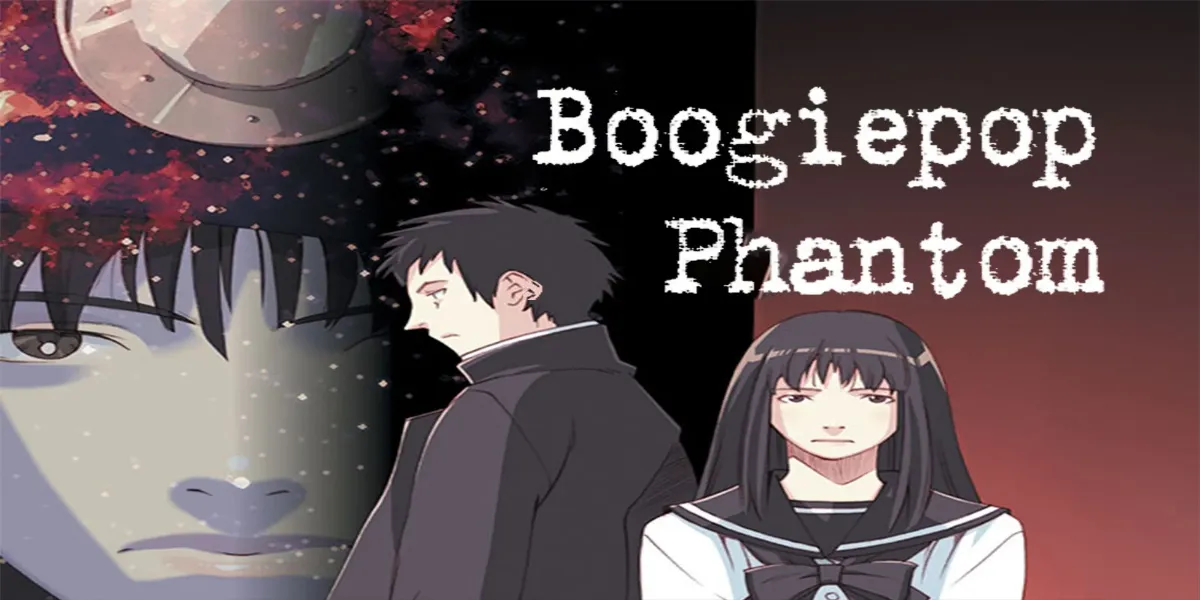
What makes this series a psychological triumph is its structure. The timeline is completely shattered. Every episode shifts to the perspective of a different character, often re-telling the same span of time but revealing drastically different truths based on that character’s mental state. Some are dealing with extreme trauma, others with delusional obsessions, and the viewer is forced to figure out whose reality is actually the truth. It is a masterclass in the “unreliable narrator” trope.
The audio design further amplifies the sense of psychological decay. A constant, low-frequency hum permeates the background of almost every scene, creating a deeply unsettling atmosphere. Boogiepop Phantom asks complex questions about how human beings process trauma and how communities invent myths to cope with inexplicable tragedies, making it a demanding but highly rewarding mental exercise.
Welcome to the N.H.K.
While many psychological anime rely on sci-fi concepts or murder mysteries, Welcome to the N.H.K. derives its psychological warfare entirely from the suffocating reality of modern depression. The story follows Tatsuhiro Satou, a 22-year-old college dropout and severe hikikomori (a shut-in) who has barely left his cramped apartment in four years. Consumed by paranoia, he becomes convinced that his miserable life is the result of a massive conspiracy orchestrated by the N.H.K. (a fictional evil television network).

The brilliance of the series lies in its refusal to romanticize mental illness. Satou’s mind plays terrifying games with him. When his anxiety spikes, his apartment literally comes alive; his appliances mock him, and his television bombards him with aggressive, hallucinatory anime mascots. The show brutally explores the lengths people will go to in order to avoid taking responsibility for their own lives, utilizing everything from MMORPG addiction to pyramid schemes as desperate escapism.
It is an incredibly uncomfortable watch because of how accurate it is. The psychological tension doesn’t come from a fear of death, but from the fear of a wasted life. Welcome to the N.H.K. will force you to confront your own bad habits, your anxieties regarding societal expectations, and the terrifying realization that sometimes, the biggest obstacle in your life is your own brain.
Sonny Boy
Sonny Boy is one of the most creatively liberated and philosophically dense anime of the modern era. The premise begins simply enough: an entire middle school, along with all its students, suddenly detaches from reality and begins drifting through an endless void of bizarre, alternate dimensions known as “This Worlds.” Stripped of adults and societal rules, the students develop strange superpowers and attempt to govern themselves.
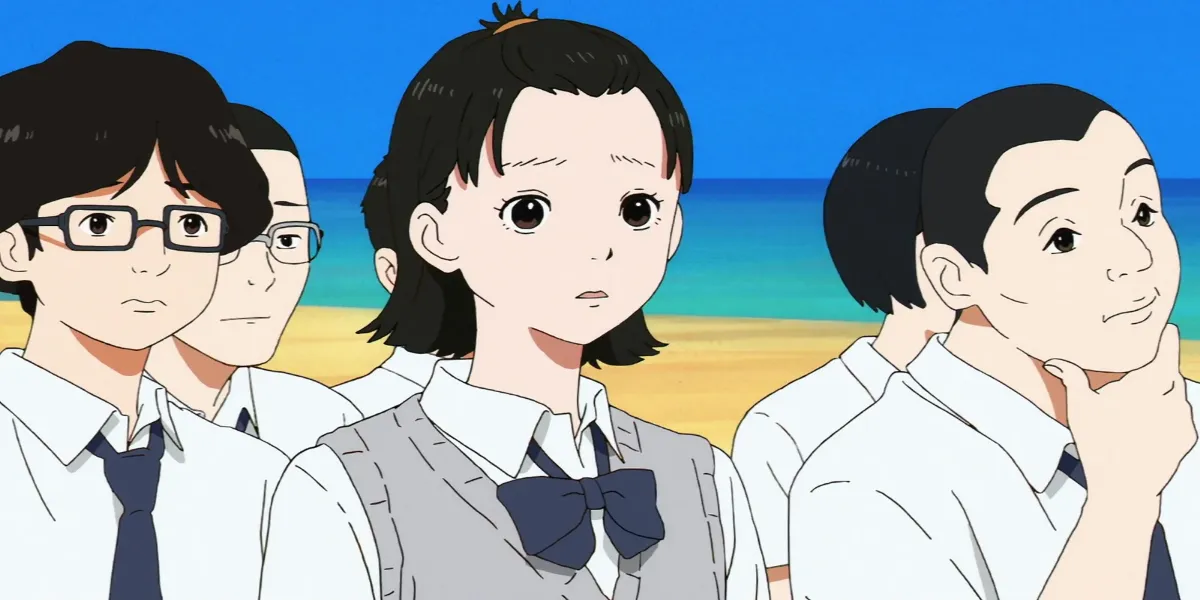
However, this is not a standard battle-shonen or a typical Lord of the Flies survival story. The mind-bending aspect of Sonny Boy is its absolute refusal to hold the viewer’s hand. The physics of each new dimension are completely abstract—in one world, wealth is generated by monkeys playing baseball; in another, you must obey the literal visual perspective of the camera. The show rarely explains its rules aloud, forcing the audience to deduce the psychological and physical laws of the universe alongside the characters.
Directed by Shingo Natsume, the series operates as a massive metaphor for the paralyzing anxiety of impending adulthood. The students are trapped in a stasis, forced to confront their own apathy, agency, and the terrifying concept that the universe is inherently unfair. With zero inner monologues and a jarring, minimalist soundtrack, Sonny Boy is a surreal masterpiece that will leave your head spinning for weeks.
Paprika
Directed by the late, great visionary Satoshi Kon, Paprika is a kaleidoscopic dive into the human subconscious. In a near-future setting, scientists have developed the “DC Mini,” a revolutionary device that allows psychiatric professionals to enter and record their patients’ dreams. When prototypes of the device are stolen, a psychological terrorist begins merging the dreams of the entire city, causing mass hallucinations to bleed into waking reality.
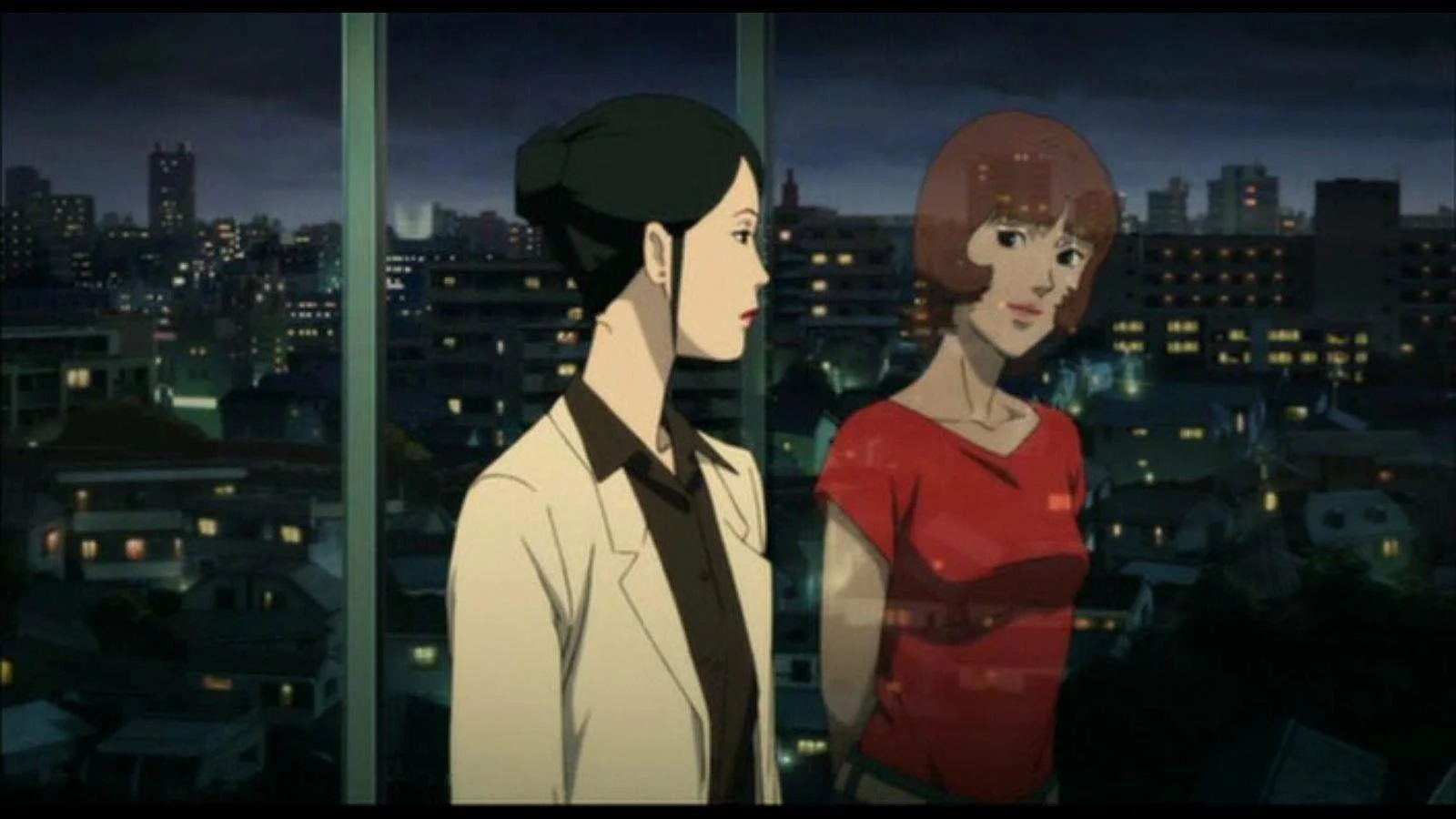
The mind-bending brilliance of Paprika stems from its total destruction of logic. Kon utilizes the medium of animation to its absolute limits, seamlessly transitioning between the sterile, clinical real world and a hyper-vivid, terrifying parade of anthropomorphic objects, internet avatars, and suppressed desires. You are constantly questioning whether the characters are awake or trapped in a layered simulation—a concept that heavily inspired Christopher Nolan’s blockbuster film, Inception.
At its core, the film is a deep psychological profile of its protagonist, Dr. Atsuko Chiba, and her dream-world alter ego, Paprika. It explores the duality of the human mind: the strict, professional facade we present to society versus the chaotic, uninhibited passions we hide in our sleep. The visual whiplash and deep psychoanalytic themes make it a mandatory watch for anyone who loves having their perception of reality shattered.
Psycho-Pass
Psycho-Pass is a gripping, cyberpunk exploration of deterministic morality. In the 22nd century, Japan has implemented the Sibyl System, an omnipresent, biomechatronic computer network that constantly measures the biometric and mental states of its citizens. This measurement is known as a “Psycho-Pass.” If a citizen’s mental state (Crime Coefficient) clouds and exceeds a certain numerical threshold, they are deemed a latent threat and are either forcibly rehabilitated or lethally executed on the spot—even if they haven’t actually committed a crime.
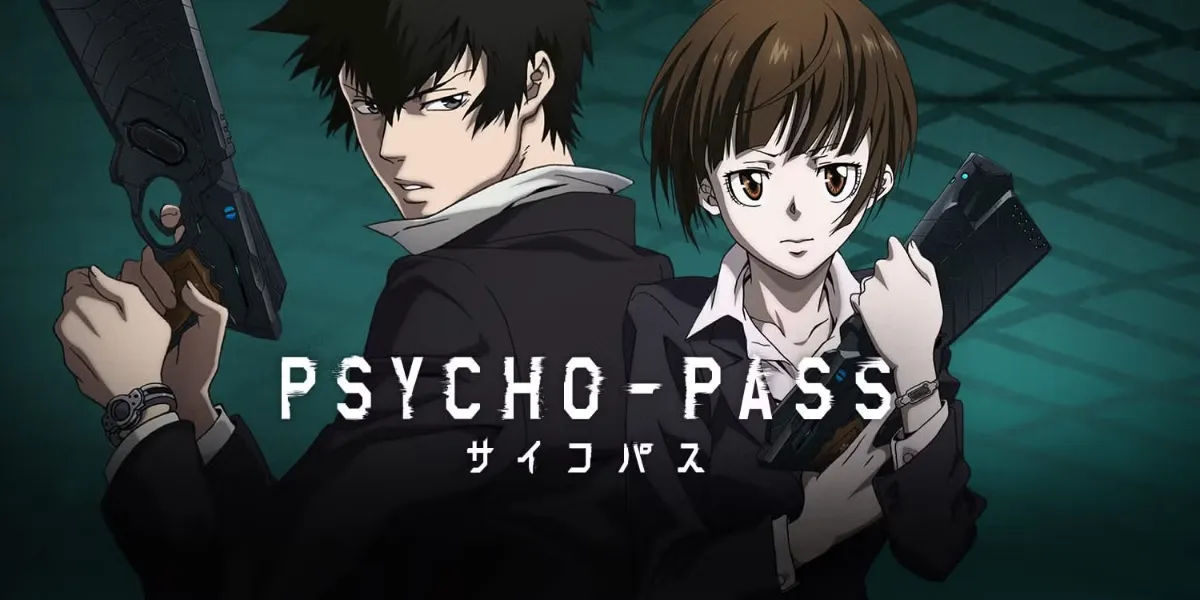
The series excels at breaking down the psychology of justice. The enforcers of this law use “Dominators,” advanced weapons that will only unlock and fire if the system calculates the target’s stress levels to be lethal. This creates incredibly tense psychological standoffs. How do you stop a serial killer who is so devoid of empathy that his heart rate never rises, rendering the system’s weapons completely useless against him?
Written by the legendary Gen Urobuchi, Psycho-Pass constantly challenges the viewer’s moral compass. It forces you to weigh the benefits of a society with zero traditional crime against the horrifying psychological toll of living in a world where experiencing severe stress, grief, or anger makes you a target for state-sanctioned execution. It is a brilliant, high-octane battle of intellects.
Takopi's Original Sin
Do not let the incredibly cute, round, mascot-like protagonist fool you. Takopi’s Original Sin is a devastating psychological sledgehammer. The story follows Takopi, a small, relentlessly optimistic alien from the Happy Planet who crash-lands on Earth. His goal is simple: spread happiness using his futuristic “Happy Gadgets.” He meets a young girl named Shizuka and promises to make her smile, completely unaware of the horrifying depths of human cruelty she is experiencing.

The mind-bending brilliance of this story is the extreme dissonance between Takopi’s cartoonish, childlike logic and the brutal, grounded reality of Shizuka’s life. Shizuka is subjected to extreme, realistic bullying and severe domestic abuse. When Takopi tries to solve these complex psychological traumas with simple, magical sci-fi gadgets—like a ribbon that ties friends together or a camera that reverses time—the results are catastrophic, leading to accidental murder and escalating misery.
The psychological tension comes from the time-loop mechanics. You watch this naive alien frantically rewind time, over and over again, trying to find a mathematical sequence of events that will fix a broken child. It forces the audience to realize that human psychology, generational trauma, and societal failure cannot be patched with a band-aid or a reset button. It is a harrowing, unforgettable mental ordeal.
Kaiji: Ultimate Survivor
Kaiji: Ultimate Survivor is the undisputed king of the high-stakes gambling genre. Unlike shows where cool, unfazed prodigies gamble for the thrill of it, Kaiji Itou is a miserable, chain-smoking loser drowning in unpayable debt. Cornered by the yakuza, he is forced to board a massive cruise ship to participate in underground gambling tournaments where the currency isn’t just money—it is human life, limbs, and freedom.

The games themselves seem childishly simple on the surface—Restricted Rock-Paper-Scissors, walking across a steel beam, or a card game called E-Card. However, the psychological depth applied to these games is staggering. The anime spends entire episodes breaking down the mathematical probability, the physiological tells of the opponents, and the absolute, crushing paranoia of betting your own eyeballs on a single card draw. The internal monologues are frantic, desperate, and brilliantly reasoned.
What makes Kaiji mess with your mind is its raw depiction of human nature under pressure. It exposes how quickly morality degrades when survival is on the line. The show is an agonizing critique of capitalism and the psychology of the elite who view the poor as disposable entertainment. The tension is so thick it will leave you physically sweating.
Pluto
Adapted from the legendary manga by Naoki Urasawa, Pluto takes the lighthearted “The Greatest Robot on Earth” arc from Osamu Tezuka’s classic Astro Boy and completely reconstructs it into a dark, sprawling, psychological murder mystery. The story follows Gesicht, a highly advanced robot detective working for Europol, who is investigating a string of horrific murders targeting the seven most advanced artificial intelligences in the world, as well as the humans who advocate for robot equality.
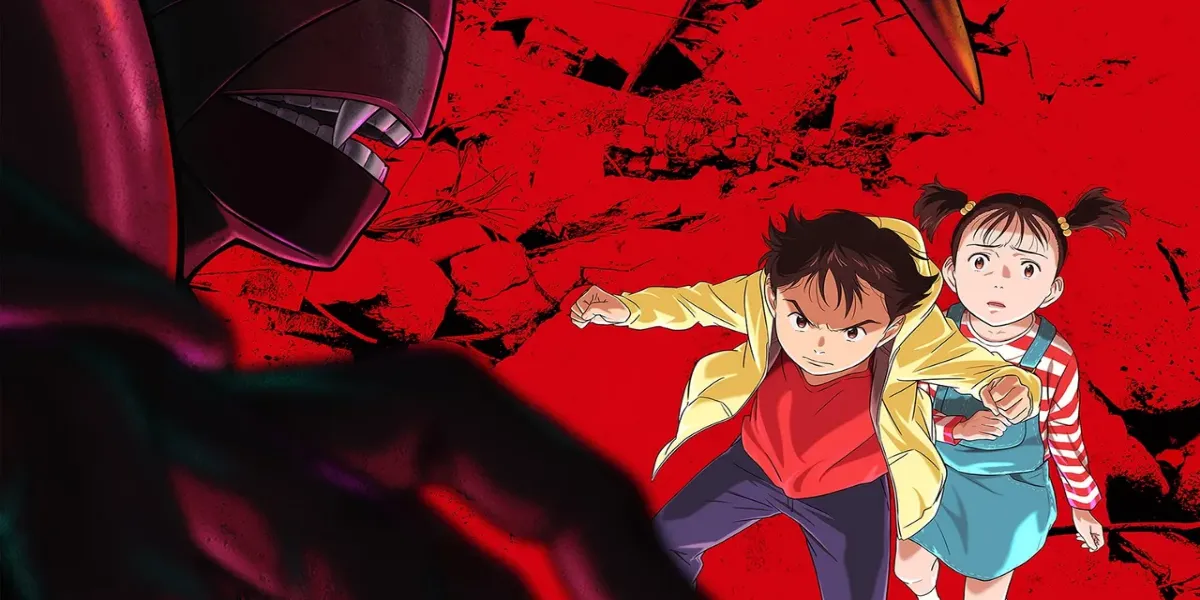
The series uses its sci-fi premise to execute a masterful exploration of PTSD, trauma, and the ethics of war. In this universe, robots are capable of feeling grief, adopting children, and experiencing psychological breakdowns. As Gesicht delves deeper into the case, the anime meticulously unravels the concept of memory. What happens when an AI is given a perfectly replicated human memory of profound trauma? Can a machine learn to hate?
Pluto is brilliant because the mystery isn’t just about finding out who the killer is, but understanding the psychological devastation that created them. It is a slow-burn narrative that forces the audience to question the boundaries of empathy and the horrific, cyclical nature of revenge. The character writing is so profound that it elevates the entire genre to new philosophical heights.
Neon Genesis Evangelion
It is impossible to discuss psychological anime without bowing to the titan that is Neon Genesis Evangelion. On the surface, it masquerades as a standard mecha show where teenagers pilot giant robots to defend Tokyo-3 from bizarre, apocalyptic alien entities known as Angels. However, the mecha battles are merely a trojan horse for an agonizingly deep dive into the psychological collapse of its creator, Hideaki Anno.

As the series progresses, the narrative rapidly deteriorates from monster-of-the-week action into a surreal, avant-garde psychoanalysis of its core cast. Shinji, Asuka, and Rei are not heroic saviors; they are deeply traumatized, flawed children suffering from severe clinical depression, abandonment issues, and identity crises. The show heavily utilizes Freudian and Jungian concepts to dissect their minds, culminating in episodes that are entirely composed of abstract imagery, flashing text, and internal screaming.
The core theme of the show is the “Hedgehog’s Dilemma”—the concept that the closer humans get to one another, the more they inevitably hurt each other. Evangelion will mess with your mind because it violently strips away the ego of its characters, leaving them completely bare and vulnerable. It is a terrifyingly accurate representation of what true, unfiltered anxiety and depression feels like from the inside.
Monster
Sitting undisputed at the pinnacle of psychological storytelling is Naoki Urasawa’s Monster. The premise is a masterstroke of moral consequence: Dr. Kenzo Tenma, a brilliant and highly respected neurosurgeon living in Germany, defies his corrupt hospital directors to save the life of a young boy who was shot in the head, rather than operating on the town’s mayor. Nine years later, Tenma discovers that the boy he saved, Johan Liebert, has grown up to be an unfathomably intelligent, charismatic, and completely nihilistic serial killer.

There are no supernatural elements here to soften the blow. The psychological terror of Monster relies entirely on Johan’s ability to manipulate the human mind. He doesn’t just kill people; he talks them into destroying themselves. He exploits the trauma, guilt, and darkest desires of normal people, pushing them to the absolute brink just to prove his philosophical belief that the only true equality in the world is found in death.
Over the course of 74 gripping episodes, Dr. Tenma abandons his medical career to hunt Johan across a beautifully realized post-Cold War Europe, grappling with the agonizing guilt that every life Johan takes is technically his fault for saving him. The series is a sprawling, meticulously paced masterpiece that explores eugenics, the cycle of child abuse, and the terrifying nature of a true psychopath. Monster is not just a great anime; it is one of the greatest psychological thrillers ever written in any medium.
Piece the Puzzle Together
The brilliance of the psychological genre is its lingering effect. Long after the screen fades to black, shows like Monster and Evangelion leave you pacing around your room, re-evaluating the philosophical implications of the story and perhaps even questioning your own moral compass. These 10 anime prove that the most complex, terrifying, and thrilling battleground isn’t a futuristic warzone or a magical kingdom—it is the human mind.
If you have recovered from the mental gymnastics, head over to our Anime Smash or Pass global arcade and see if your favorite masterminds made the tier lists. Looking for something a bit more visceral? Check out our Top 10 Best Horror Anime ranking for pure, unadulterated terror.
Which masterpiece messed with your mind the most?
Frequently Asked Questions
What is the difference between psychological anime and horror anime?
Why is Monster considered the best psychological anime of all time?
Does Takopi's Original Sin have an anime adaptation?
What makes Kaiji: Ultimate Survivor different from Kakegurui?
Do I need to watch the original Astro Boy before watching Pluto?
Rank Your Favorites
Take a break and play our interactive Smash or Pass games. Vote on your favorite anime characters, game characters, and idols to shape the global tier lists.





Join the Discussion (0)